conterminous
adjectiveDefinition
What Makes This Word Tick
Ah, "conterminous"-it rolls off the tongue like a well-rehearsed line in a play. Essentially, this word describes things that share a boundary or are contiguous. It's not just about physical borders but can also refer to abstract concepts or experiences that touch or coincide.
If Conterminous Were a Person…
Picture a wise old surveyor, map in hand, wearing a well-worn hat. This person understands the lay of the land, literally and metaphorically. Always there to point out the fine lines that separate but also unite, "Conterminous" makes sure everyone's on the same page-or map, in this case.
How This Word Has Changed Over Time
"Conterminous" has remained relatively steady in its meaning since its inception, lacking the kind of tumultuous transformation that some words undergo. Its use has primarily been in formal or technical contexts, standing as a testament to precision over the years.
Old Sayings and Proverbs That Use Conterminous
Though not commonly found in quaint old sayings, the spirit of "conterminous" lives in proverbs like "Good fences make good neighbors." It's all about boundaries, both physical and metaphorical.
Surprising Facts About Conterminous
Did you know that "conterminous" is most often used in geography and legal descriptions? It's a favorite of cartographers and lawyers alike. Also, it shares a root with "terminate" and "terminus," all of which deal with ends or limits.
Out and About With This Word
Next time you're out for a walk, consider how the sidewalk is conterminous with the street. In the grander scheme, you might realize how different states or countries are conterminous, sharing borders yet maintaining their distinct identities.
Pop Culture Moments Where Conterminous Was Used
While "conterminous" doesn't often crop up in typical TV dialogue, you might find it used by a particularly pedantic character in a legal or detective drama-someone who loves getting the terminology just right.
The Word in Literature
In literature, "conterminous" would likely appear in works that delve into the themes of borders, limits, and definitions. Think of novels where land disputes or boundary lines play a crucial role, or in science fiction where different realms touch each other.
Moments in History with Conterminous
Imagine the signing of the Treaty of Paris in 1783, which ended the American Revolutionary War. The new boundaries of the United States were conterminous with British territories, marking a moment where borders were redrawn on the world's map.
This Word Around the World
Globally, the concept of being conterminous appears in many cultures, often in terms of neighboring countries or regional challenges. Each language might have its way of expressing the idea, reflecting local nuances and priorities.
Where Does It Come From?
"Conterminous" comes from the Late Latin "conterminus," itself a combination of "con-" meaning together and "terminus," meaning boundary or end. It's a word built from pieces that perfectly encapsulate its meaning.
How People Misuse This Word
Some might confuse "conterminous" with "coterminous," which, luckily for them, means pretty much the same thing. However, "conterminous" tends to be the more formal choice.
Words It's Often Confused With
- Coterminous: Essentially the same as conterminous, but often used interchangeably.
- Contiguous: While similar, "contiguous" usually means actually touching without intervening space.
- Continuous: This means without interruption, not necessarily sharing a boundary.
Additional Synonyms and Antonyms
Synonyms for "conterminous" include "adjacent" and "adjoining." Antonyms would be "disjointed" or "disconnected," reflecting a lack of shared boundaries or limits.
Want to Try It Out in a Sentence?
Sure thing! Here's a go at it: "The conterminous regions worked together to address the environmental concerns affecting their shared watershed."Happy word walking!
Explore more words

umbrage
[uhm-brij]
offense; annoyance; displeasure
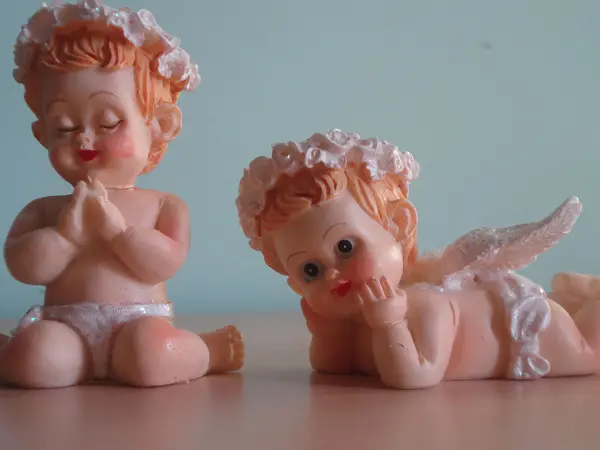
cherubic
[chuh-roo-bik]
having a plump, pretty innocence

gallant
[gal-uhnt ]
brave, spirited, noble-minded, or chivalrous

quell
[kwel]
to suppress; put an end to; extinguish

briskness
[brisk-nes]
the quality of being energetic or lively

marred
[mahr-d]
damaged or spoiled to a certain extent; rendered less perfect, attractive, useful, etc.; impair or spoil
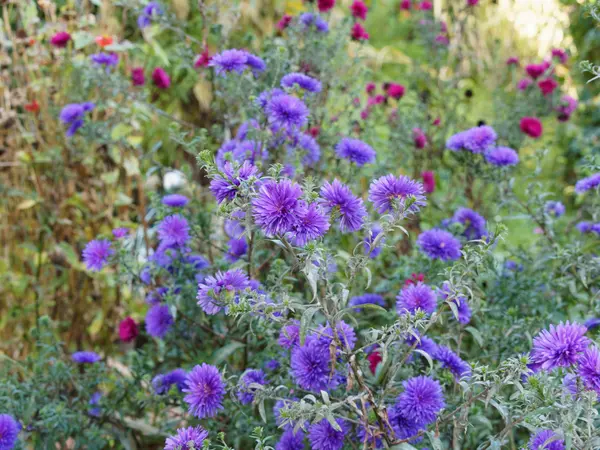
prolific
[pruh-lif-ik]
producing in large quantities or with great frequency; highly productive

elongate
[ih-lawng-geyt]
to make something longer in length

accretion
[uh-kree-shuhn]
an increase by natural growth or by gradual external addition; growth in size or extent

cabal
[kuh-bal]
a small group of secret plotters, as against a government or person in authority
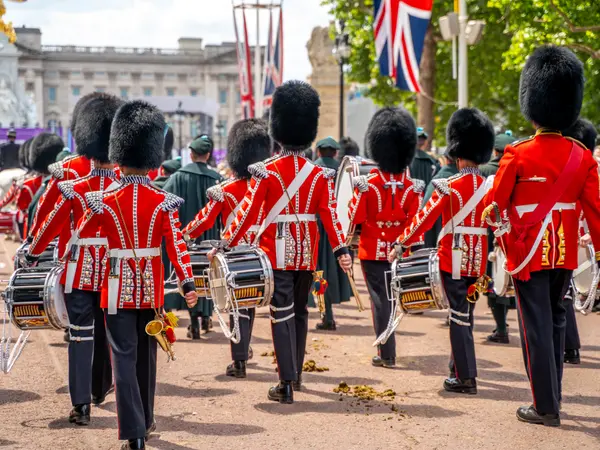
jubilee
[joo-buh-lee]
the celebration of any certain anniversaries, as the twenty-fifth (silver jubilee), fiftieth (golden jubilee), or sixtieth or seventy-fifth (diamond jubilee)

execrable
[ek-si-kruh-buhl ]
utterly detestable; abominable; abhorrent

salient
[sey-lee-uhnt]
prominent or conspicuous

aqueous
[ey-kwee-uhs]
of, like, or containing water

standoffish
[stand-aw-fish]
somewhat aloof or reserved; cold and unfriendly

repetition
[r-ep-et-ishun]
the act of doing, saying, or showing something again, often to emphasize or reinforce.