
standoffish
adjectiveDefinition
What Makes This Word Tick
"Standoffish" has a certain aloofness about it, like that cat who constantly acts like it's above all the other pets in the neighborhood. It captures a cold resistance, an unapproachable air that says, "Keep your distance." With this word, you can describe a person who might not be ready to open their heart or engage in a friendly chat just yet.
If Standoffish Were a Person…
Imagine someone prim and proper at a garden party, politely sipping tea with their pinky finger extended and avoiding any deep conversation. They nod and smile, but when you ask them to join a game of croquet, they might decline with a reserved, polite smile.
How This Word Has Changed Over Time
Standoffishness evolved from simply meaning "to stand off" in a literal sense to portraying an attitude. Over decades, it began evoking the image of a person metaphorically-or even physically-standing at the fringe, appearing untouchable or disinterested.
Old Sayings and Proverbs That Use Standoffish
While there aren't old proverbs featuring "standoffish" directly, the idea recalls sayings about the virtue of distance and reserve, like "Still waters run deep," implying there's often more below an outwardly calm or indifferent surface.
Surprising Facts About Standoffish
"Standoffish" might feel like a modern term, but it first appeared in the English language back in the late 19th century. Despite its negative connotation, it sometimes suggests that someone is simply shy rather than intentionally unfriendly.
Out and About With This Word
Use "standoffish" to describe those social situations where the guest of honor barely leaves their corner or that colleague who's perpetually too busy for water cooler chatter. It's perfect for those moments when someone seems to engage more with their phone than the people around them.
Pop Culture Moments Where Standoffish Was Used
Think of all those romcoms where, initially, one of the leads seems completely disinterested. Remember Mr. Darcy from "Pride and Prejudice"? He's a quintessentially standoffish character until his heart thaws.
The Word in Literature
In literature, "standoffish" is often used to create tension or intrigue around a character. Many a classic novel describes characters with an air of aloofness to make readers curious about their true feelings or backstory.
Moments in History with Standoffish
Marie Antoinette's infamous phrase, "Let them eat cake," whether truly spoken or not, encapsulates the image of standoffishness as she stood out of touch with the people's struggles. It's a fitting description of historical figures who seemed distant or unconcerned with the common folk.
This Word Around the World
In Japan, the concept of "tatemae and honne" might align with being standoffish-showing a public face that's different from your true feelings. Other cultures might describe this reserved behavior as being "cold" or "distant," but the essence remains universal.
Where Does It Come From?
"Standoffish" combines "stand off," to maintain distance, with the suffix "-ish," which transforms it into an adjective. This word's etymology reflects its meaning very well-a literal image of someone standing apart.
How People Misuse This Word
Occasionally, people use "standoffish" to describe someone who's simply introverted. However, genuine standoffishness implies a deliberate or conscious choice to disengage, not just a quiet demeanor.
Words It's Often Confused With
- Aloof: Suggests a cool detachment, but sometimes more due to disinterest than a deliberate distancing.
- Shy: Often used interchangeably, but shyness is more about nervousness than willful distance.
- Distant: Can imply emotional removal, not just physical separation.
Additional Synonyms and Antonyms
Synonyms include aloof, detached, and unapproachable, while antonyms might be sociable, approachable, and friendly.
Want to Try It Out in a Sentence?
"Despite her standoffish demeanor, once you got to know her, she was one of the warmest individuals you'd ever meet."
Explore more words
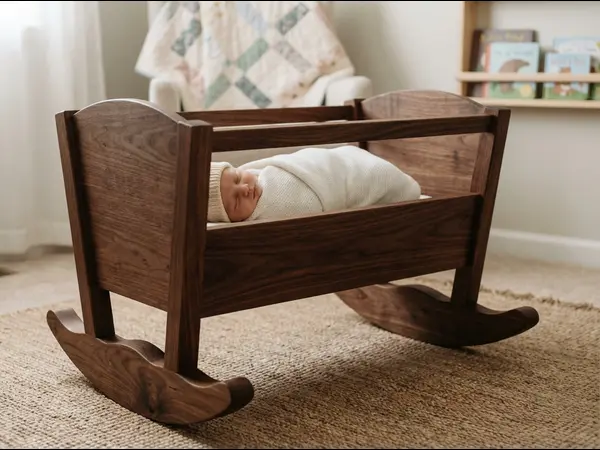
cradle
[kr-adl-e]
a small bed for an infant, often rocking; also refers to the act of gently holding or supporting something.
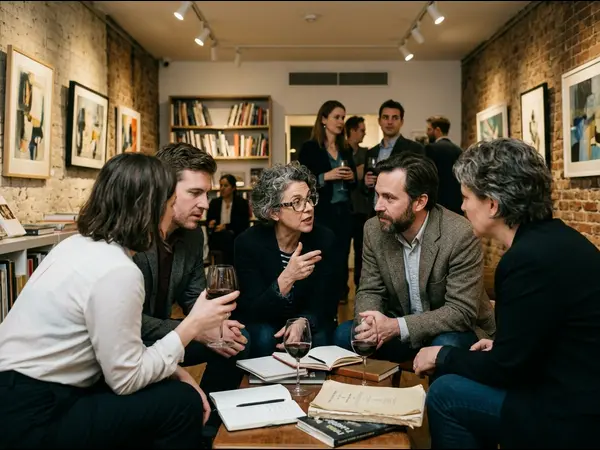
cabal
[kuh-bal]
a small group of secret plotters, as against a government or person in authority

echo
[ech-o]
a sound or event that repeats or imitates another, often heard after a delay.

noob
[noob]
a newbie, especially a person who is new to an online community and whose online participation and interactions display a lack of skill or knowledge

navigate
[nav-i-geyt]
to move on, over, or through (water, air, or land) in a ship, aircraft, etc.
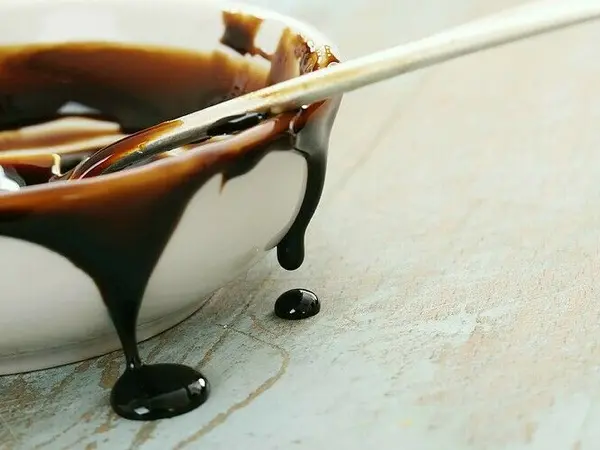
treacle
[tree-kuhl]
molasses, especially that which is drained from the vats used in sugar refining

contrived
[kuhn-trahyvd]
obviously planned or forced; artificial; strained

satirical
[suh-tir-i-kuhl]
of, pertaining to, containing, or characterized by satire
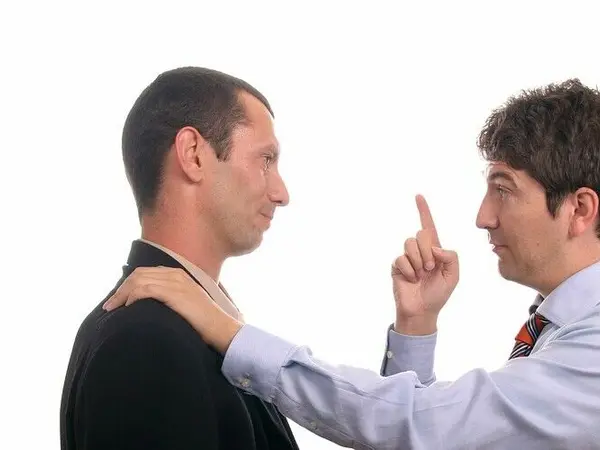
admonish
[ad-mon-ish]
to reprove or scold, especially in a mild and good-willed manner

sartorial
[sahr-tawr-ee-uhl]
of or relating to tailors or their trade

disparage
[dih-spar-ij]
to bring reproach or discredit upon; lower the estimation of
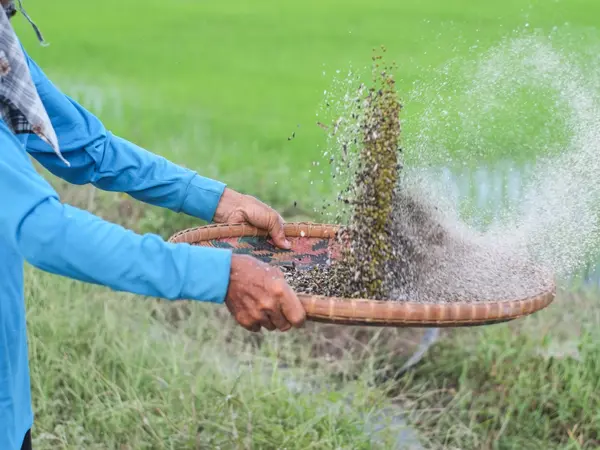
winnow
[win-oh]
to free (grain) from the lighter particles of chaff, dirt, etc., especially by throwing it into the air and allowing the wind or a forced current of air to blow away impurities

frightening
[fryt-ning]
causing fear or alarm

innovation
[in-uh-vey-shuhn]
the introduction of new ideas, methods, or products; the act of innovating.

truncate
[truhng-keyt]
to shorten by cutting off a part; cut short
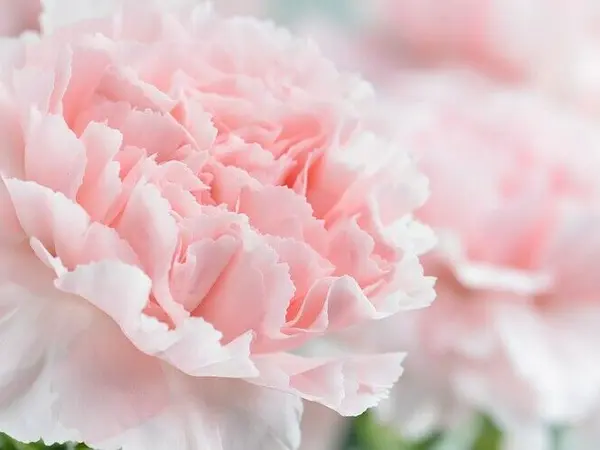
carnation
[kahr-ney-shuhn]
any of numerous cultivated varieties of the clove pink, Dianthus caryophyllus, having long-stalked, fragrant, usually double flowers in a variety of colors: the state flower of Ohio