
accretion
nounDefinition
What Makes This Word Tick
"Accretion" is all about growth and gradual accumulation, whether we're talking about geological formations, wealth building, or even life experiences. It's a noun that encapsulates the beauty of assembling little by little until something substantial emerges.
If Accretion Were a Person…
If accretion were to walk among us, they'd be that unassuming neighbor with an ever-evolving garden - one day you notice a new rosebush here, a fountain there. They lavish attention over time, ultimately crafting a masterpiece worth marveling at.
How This Word Has Changed Over Time
Rooted from Latin in the mid-16th century, "accretion" hasn't dramatically shifted in meaning. Its use has expanded from scientific contexts like geology and astronomy to economic and personal growth, reflecting human life's complex, accumulative nature.
Old Sayings and Proverbs That Use Accretion
Oddly enough, accretion isn't commonly found in traditional sayings or proverbs. Instead, the spirit of accretion is captured in sentiments like “slow and steady wins the race,” where steady accumulation leads to ultimate success.
Surprising Facts About Accretion
Did you know accretion is a word that stars rely on? In astronomy, accretion describes how cosmic matter collects over millions of years to form stars and planets. This gradual process can sometimes result in spectacular celestial bodies.
Out and About With This Word
You'll frequently encounter accretion in science museums, economic discussions, or articles about Earth's formation. It's a term that seamlessly blends the physical, financial, and philosophical realms, showing up wherever gradual accumulation is in play.
Pop Culture Moments Where Accretion Was Used
While it might not headline movies or pop songs, accretion quietly underpins narratives of growth and transformation, like in stories where characters slowly build their empires or fortunes over time, from humble beginnings to notable achievements.
The Word in Literature
"Accretion" often appears in science fiction and fantasy, highlighting the passage of time or the buildup of power or knowledge. It's also a favorite in financial or economic narratives where assets and interest grow imperceptibly yet significantly.
Moments in History with Accretion
Think about the slow but steady expansion of empires in ancient history, or the painstaking construction of architectural wonders like the Egyptian pyramids - prime examples of accretion playing out in grand human ventures.
This Word Around the World
In other languages, like French ("accrétion") or Spanish ("acreción"), the word maintains a similar meaning. It highlights that across cultures, the concept of gathering bit by bit to create a whole is universally appreciated.
Where Does It Come From?
"Accretion" derives from the Latin "accretio," which initially meant an increase or added growth. The term gradually made its way into English via medieval Latin, carrying along its sense of gradual buildup.
How People Misuse This Word
Sometimes, folks might use "accretion" when they actually mean "accumulation" or "collection." Although similar, accretion specifically implies a gradual, often natural, process of growth, not just the presence of gathered items.
Words It's Often Confused With
- Accumulation: Suggests gathering in bulk, lacking the natural/process-driven aspect of accretion.
- Aggregation: More about collective unification rather than growth over time.
- Addition: Simply putting more items together, without the gradual sense of change.
Additional Synonyms and Antonyms
Synonyms for accretion include growth, buildup, increment. For antonyms, consider erosion, reduction, or fragmentation, which imply decrease or loss.
Want to Try It Out in a Sentence?
"The coastline's accretion over the past century has added several yards of new land, inviting more birds to nest in its rejuvenated marshlands."
Explore more words

impetuous
[im-pech-oo-uhs]
moving forcefully or rapidly

condign
[kuhn-dahyn]
well-deserved; fitting; adequate

macerate
[mas-uh-reyt]
to soften or separate into parts by steeping in a liquid

chasten
[chey-suhn]
to inflict suffering upon for purposes of moral improvement; chastise

river
[riv-er]
a large natural stream of water.

hodgepodge
[hoj-poj]
a heterogeneous mixture; jumble
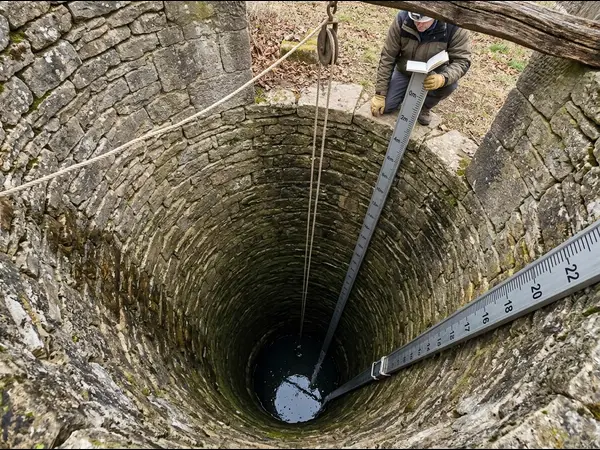
depth
[depth]
the distance from the top to the bottom of something

gurn
[gurn]
make a comically or repulsively ugly face

adulate
[aj-uh-leyt]
to show excessive admiration or devotion to; flatter or admire servilely

vaccinate
[vak-suh-nayt]
to administer a vaccine to provide immunity
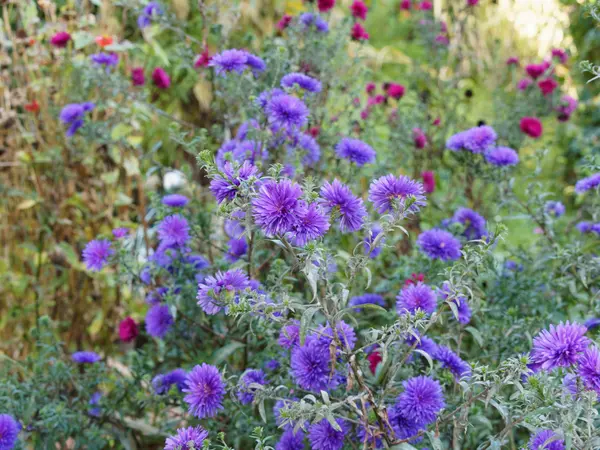
prolific
[pruh-lif-ik]
producing in large quantities or with great frequency; highly productive
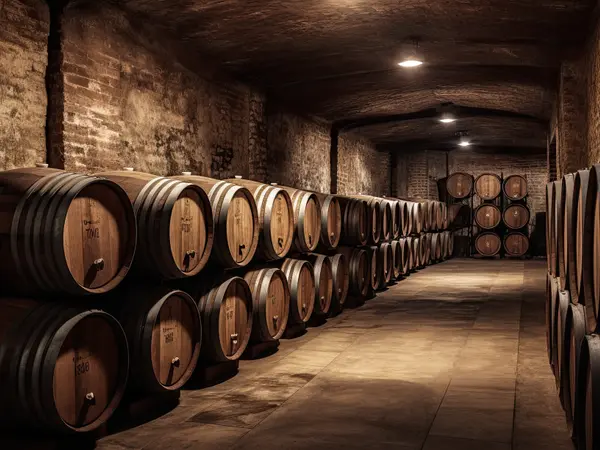
ferment
[fer-ment]
to be fermented; undergo fermentation

abide
[ab-ide-ide]
to put up with

equinox
[ee-kwuh-noks]
the time or date (twice each year) at which the sun crosses the celestial equator, when day and night are of approximately equal length

jocund
[jok-uhnd]
cheerful; merry; blithe; glad

ramshackle
[ram-shak-uhl]
loosely made or held together; rickety; shaky