
quell
verbDefinition
What Makes This Word Tick
"Quell" brings to mind a soothing balm-calming chaos and reducing tumult to tranquility. Whether it's used to describe the suppression of unrest or simply quieting down an overexcited group of grandchildren, "quell" invites a sense of peace and control.
If Quell Were a Person…
Imagine Quell as that wise, serene uncle who always knows how to diffuse a heated family argument with a few well-chosen words. He's the friend who makes you feel like everything is going to be alright, encouraging a gentle return to calmness.
How This Word Has Changed Over Time
Originally, "quell" had a darker edge, hinting at the killing or vanquishing of opposition. Over the centuries, the violent undertones softened, and "quell" evolved to mean pacifying rather than destroying, putting it more at home in discussions of soothing fears than of leading armies.
Old Sayings and Proverbs That Use Quell
Though few age-old proverbs utilize "quell" directly, many indirectly capture its essence with wisdoms like "a gentle answer turns away wrath." It's the old adage of killing them with kindness and the calming power of diplomacy.
Surprising Facts About Quell
Despite its distinct sound, "quell" is rarely in the limelight alongside more flashy vocabulary. Yet, it enjoys a prestigious place in discussions around stress reduction and yoga practices, where it ironically enjoys a quieter kind of power.
Out and About With This Word
You might say "quell" at your book club, discussing how a novel depicts calming conflict. Or perhaps at the neighborhood committee meeting, when the debate over holiday decorations gets too spirited.
Pop Culture Moments Where Quell Was Used
While "quell" may not headline movies or songs, it performs a strong supporting role in narratives involving peace negotiations, conflict resolution, or mental health breakthroughs-keeping the dramatic tension perfectly poised.
The Word in Literature
"Quell" may appear in novels by Jane Austen or Leo Tolstoy, masters of interpersonal drama, where characters' passions need frequent pacifying. It fits snugly in period dramas and tales of regal courtrooms.
Moments in History with Quell
Think of the signing of a peace treaty after years of conflict-quell captures that transformative moment when swords are finally beaten into plowshares. The end of World War II, with its celebrations mixed with a sense of solemn relief, might invoke "quell" to describe the easing of global tension.
This Word Around the World
Globally, you might find “quell” reflected in various cultural expressions dealing with peace and silence. In Spanish, "apaciguar" conveys a similar calming power, while in French, "apaise" gently smooths over turmoil.
Where Does It Come From?
Quell traces its roots back to Old English "cwellan," which actually means to kill. Over time, however, its meaning has shifted towards a more benign sense of quieting and pacifying, exemplifying language's adaptive nature.
How People Misuse This Word
Some folks mistakenly use "quell" to mean ceasing entirely or disappearing, rather than just calming or decreasing intensity. They might say it when they mean vanish, which misses the nuance of soothing or diminishing.
Words It's Often Confused With
- Quash: Often mixed up with "quell," though quash implies a legal nullification rather than calming.
- Quench: While it shares a similar sound, quench usually relates to extinguishing or satisfying thirst.
- Quiet: Both imply calmness, but "quiet" refers to sound, while "quell" encompasses broader peace.
Additional Synonyms and Antonyms
To quell could be to calm, soothe, pacify, restrain, or suppress. Antonyms might include provoke, incite, aggravate, or agitate, each stirring up the very chaos quell seeks to settle.
Want to Try It Out in a Sentence?
Try saying: "The mother sang a gentle lullaby to quell her baby's cries, bringing calm to the entire household as the night deepened."
Explore more words

chutzpah
[hutz-pah]
informal shameless audacity; impudence

profligate
[pr-ofl-ate]
dissolute, extravagant

allege
[uh-lej]
to assert without proof

scurrilous
[skur-uh-luhs]
humorously insulting

dilapidated
[dih-lap-i-dey-tid]
reduce to or fallen into partial ruin or decay, as from age, wear, or neglect

exert
[ex-ert-ert]
to put something into use

languish
[lang-gwish]
to be or become weak or feeble; droop; fade

marital
[mar-i-tl]
of or relating to marriage; conjugal; matrimonial
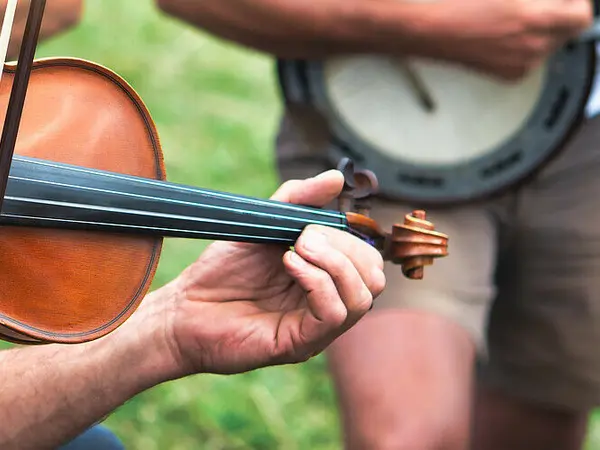
hootenanny
[hoot-n-an-ee, hoot-nan-ee]
a social gathering or informal concert featuring folk singing and, sometimes, dancing

triptych
[trip-tik]
a tablet written on in ancient times with a stylus

case
[k-as-e]
a container or situation designed for a specific purpose; also refers to an instance or example.

heartened
[hart-uhnd]
made more cheerful or optimistic

penurious
[puh-noor-ee-uhs]
extremely stingy; parsimonious; miserly

open
[oh-puhn]
not closed or locked; accessible to others

proud
[proud]
feeling deep satisfaction from one's achievements or possessions

satirical
[suh-tir-i-kuhl]
of, pertaining to, containing, or characterized by satire