marred
adjectiveDefinition
What Makes This Word Tick
"Marred" conjures imagery of something once pristine that now bears imperfections. Used to describe a blemish or spoiling effect, it hints at a change from a state of beauty or excellence to something less desirable. The word carries a certain weight, as if it preserves a story within its marks.
If Marred Were a Person…
Marred might be an artist with splatters of paint on worn clothes, someone who carries visible signs of life's experiences. They'd have an unfinished air, with a look in their eyes that says they've seen both the beauty and the cracks of the world-and they cherish them equally.
How This Word Has Changed Over Time
Originating from Old English, the word "mar" meant to hinder or impede. Over time, it evolved into "marred," with a more specific focus on physical and moral imperfections. While its essence remained intact, the word broadened into describing both tangible damage and abstract deficits.
Old Sayings and Proverbs That Use Marred
There's an old saying, “Better a diamond with a flaw than a pebble without.” While it doesn't use "marred" directly, it captures the essence: imperfections can lend character and value. "Beauty marred is beauty still" could make its way onto a motivational poster.
Surprising Facts About Marred
The term has evolved significantly since its Old English roots, showing how even words endure wear and tear through centuries of usage. It is immortalized in legal jargon, where a "covenant not to mar" restricts acts that might spoil property.
Out and About With This Word
Go to a historic town center where cobblestones and age-old architecture wear their stories in full view. The chipped paint on a venerable theater's door? Marred, yet it tells tales of decades past, whispering of nights filled with laughter and applause.
Pop Culture Moments Where Marred Was Used
In countless reviews and critiques, films or performances are described as marred by script issues or acting choices. A notable example? The contentious Batman v Superman movie, often critiqued for a story marred by confusion and complexity.
The Word in Literature
"Marred" makes its home in literature that revels in detailed description. Think of Brontë's moors-rugged, beautiful, and peppered with the word on many a page, reflecting both nature's pristine beauty and its untamed ferocity where scars only add layers.
Moments in History with Marred
The sinking of the Titanic is a classic historical event marred by tragic loss, despite its engineering marvel status. The imperfections in its ‘unsinkable' design serve as an unforgettable lesson in hubris.
This Word Around the World
In French, marred would translate to "gâté" or "endommagé," depending on the context. While the concept holds worldwide, each culture adds its nuance-some see it with romance, others with regret.
Where Does It Come From?
"Marred" sprouted from Old English “mierran,” which meant to hinder or waste. The connection between hindrance and physical blemish is clear, marking change-from capable to less functional, from beauty to something cleverly flawed.
How People Misuse This Word
Sometimes "marred" is used too liberally for minor inconveniences, like a rainy day marring a picnic, when "dampened" might better fit. True "marred" moments alter something fundamental, not just a fleeting moment's joy.
Words It's Often Confused With
- Married: Though it sounds similar, this one's about lifelong partnerships, not imperfections!
- Scarred: Both carry the nature of marks, but scars go deeper, suggesting healing after injury.
- Marooned: Shares some sounds, but refers to isolation rather than marring.
Additional Synonyms and Antonyms
Synonyms include blemished, tarnished, or spoiled. In contrast, antonyms are pure, unblemished, and perfect-words that evoke something untouched or whole.
Want to Try It Out in a Sentence?
Despite the scratches and worn edges, the marred photograph of our family picnic is my favorite-each dent whispers a cherished memory.
Explore more words

manifold
[ma-nif-old]
diverse, varied

orotund
[awr-uh-tuhnd]
(of the voice or speech) characterized by strength, fullness, richness, and clearness

flicker
[flik-er]
to shine unsteadily or briefly

beamish
[bee-mish]
beaming with happiness, optimism, or anticipation

oeillade
[œ-yad]
an amorous glance; ogle

intellect
[in-tuh-lekt]
the ability to think and reason

rouse
[rouz]
to bring out of a state of sleep, unconsciousness, inactivity, fancied security, apathy, depression, etc.

penetrating
[pen-uh-tray-ting]
able to enter or understand deeply

glut
[gluht]
to feed or fill to excess; cloy

languish
[lang-gwish]
to be or become weak or feeble; droop; fade
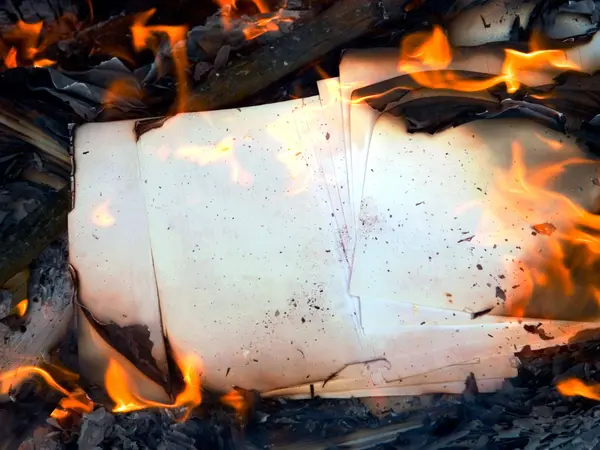
incendiary
[in-sen-dee-er-ee]
used or adapted for setting property on fire

summarize
[s-umm-ar-iz-e]
to provide a brief and concise statement of the main points.

largesse
[lar- jes]
generosity of spirit or attitude
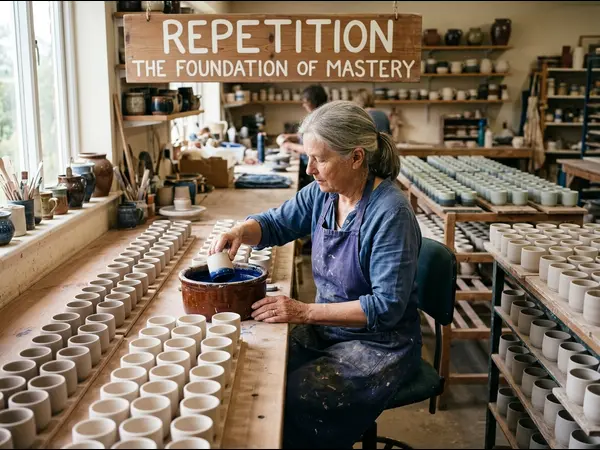
repetition
[r-ep-et-ishun]
the act of doing, saying, or showing something again, often to emphasize or reinforce.
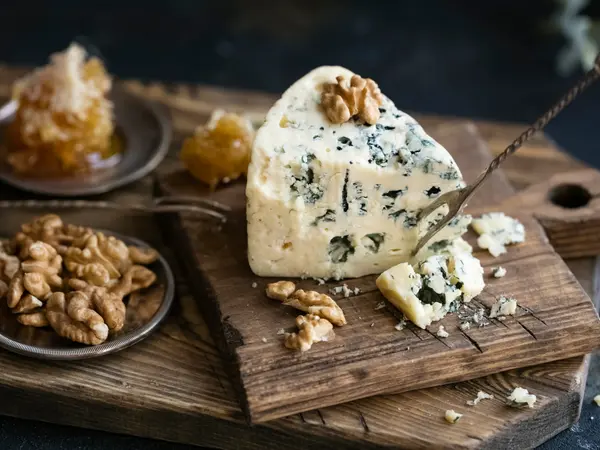
pungent
[puhn-juhnt]
sharply affecting the organs of taste or smell, as if by a penetrating power; biting; acrid

ablate
[a-bleyt]
to remove or dissipate by melting, vaporization, erosion, etc.