
gallant
adjectiveDefinition
What Makes This Word Tick
Ah, "gallant." It's a charming blend of bravery and courteous behavior. This word often conjures up images of a knight in shining armor or someone performing acts of dashing heroism with a smile. Whether saving the day or simply holding open a door with flair, "gallant" embodies a spirit that's both noble and considerate.
If Gallant Were a Person…
Gallant would stroll into the room, smiling warmly, and offer to carry your bags or defend your honor at the drop of a hat. They would know all the right things to say, making everyone feel like the most important person in the world. Picture a cross between a wise elder and a charming movie star of yesteryears like Cary Grant.
How This Word Has Changed Over Time
Originally from the Old French "galant," the term has maintained a pretty consistent meaning over the years. It once had a slightly more playful aspect, hinting at love affairs and courtly dalliance. Today, it leans more towards noble and selfless behavior, although a whiff of romance isn't far behind.
Old Sayings and Proverbs That Use Gallant
The expression "gallant knight" often appears in fairy tales and folklore, highlighting both courageous and chivalrous qualities. A less common proverb goes, "A gallant man can make a merry feast from a simple meal," suggesting that charm and good company can elevate the simplest experiences.
Surprising Facts About Gallant
Did you know the term “gallant” was once used in the naval context? Ships were referred to as gallant if they were particularly brave or skillful in battle. Also, a “gallant” was at one point a term for a fashionable young man, strutting the cobblestone streets with an air of sophistication.
Out and About With This Word
You might see "gallant" used to describe a kind act, such as a person jumping into icy waters to save a puppy. On other days, it shows up in romantic contexts, describing someone who sweeps a partner off their feet with grand gestures.
Pop Culture Moments Where Gallant Was Used
In films like "The Princess Bride," the hero acts in a gallant fashion, saving the damsel with wit and charm. Gallant characters often serve as the moral compasses in many romantic comedies, endearing themselves to audiences through acts of selflessness and love.
The Word in Literature
Gallant pops up in classic literature from Shakespeare to Jane Austen, often painting characters who embody honor, courage, and a touch of romance. They're the ones who lead with their hearts, whom everyone cheers for by the end of the story.
Moments in History with Gallant
The Charge of the Light Brigade during the Crimean War can be described as gallant. Despite the futility of their mission, the soldiers' valor in the face of overwhelming odds bespoke gallantry, tapping into the raw essence of bravery wrapped in service.
This Word Around the World
In Spanish-speaking countries, "gallante" similarly denotes someone heroic or chivalrous. Meanwhile, in Japanese culture, while there isn't a direct translation, someone displaying gallant traits might be seen as "giri-ga kiku" - possessing social grace and duty.
Where Does It Come From?
The word originates from the Old French "galant" and was further influenced by Old Norse "gala," meaning to sing or yell, suggesting a lively, outgoing personality. Its linguistic journey is as colorful as the acts it describes.
How People Misuse This Word
Gallant is sometimes misunderstood as synonymous with flamboyant, leading to confusion. While gallantry can be showy, it's always underscored by sincerity, unlike flamboyance, which might have no deeper substance.
Words It's Often Confused With
- Valiant: Also means brave, but doesn't carry the courteous aspect.
- Elegant: Refers to stylishness but lacks courage or noble intent.
- Gala: Similar sound, yet relates to festive events, not bravery.
Additional Synonyms and Antonyms
- Synonyms: Brave, chivalrous, noble, heroic.
- Antonyms: Cowardly, unkind, rude, selfish.
Want to Try It Out in a Sentence?
At the retirement gala, Joan made a gallant offer to organize monthly meetups for her colleagues, ensuring they stayed connected.
Explore more words

antisocial
[ant-is-ok-ial]
avoiding social interaction or behaving in a way that is harmful to society.

occlude
[uh-klood]
to close, shut, or stop up (a passage, opening, etc.)

pervasive
[per-vey-siv]
spread throughout

motion
[m-oshun]
the act or process of moving or being moved.

pusillanimous
[pyoo-suh-lan-uh-muhs]
lacking courage or resolution; cowardly; faint-hearted; timid

estranged
[ih-streynjd]
no longer in a friendly or affectionate relationship with a family member or friend, and typically living apart
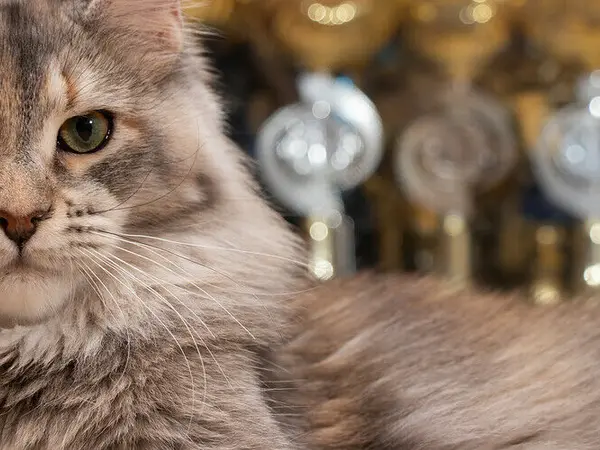
ailurophile
[ahy-loor-uh-fahyl]
a person who likes cats; cat fancier

incompetent
[ink-omp-et-ent]
lacking the necessary skills, ability, or qualifications to perform a task successfully.
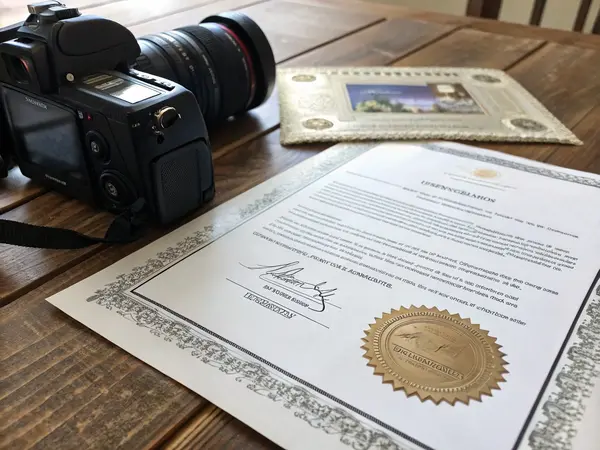
authentic
[aw-then-tik]
genuine, real, or original; not a copy, imitation, or counterfeit; conforming to the source or representing true characteristics or qualities.

belong
[bih-lawng]
to be a member or part of something

attenuate
[uh-ten-yoo-eyt]
to weaken or reduce in force, intensity, effect, quantity, or value
estranged
[ih-streynjd]
displaying or evincing a feeling of alienation; alienated

ken
[ken]
know
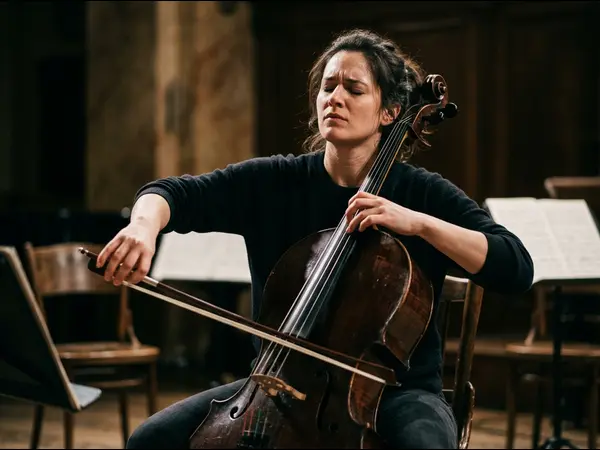
passion
[p-aszhun]
intense emotion, enthusiasm, or desire, often for something or someone.

ostracism
[os-tra-ism]
exclusion from a group

aqueous
[ey-kwee-uhs]
of, like, or containing water