
briskness
adjectiveDefinition
What Makes This Word Tick
Briskness is that quick, energetic quality you can see in movement, tone, or pace. It suggests efficiency and snap, not just speed for its own sake. Compared with “energy,” briskness feels more focused and businesslike—lively, but not chaotic.
If Briskness Were a Person…
Briskness would be the person who’s already got their coat on when everyone else is still looking for keys. They speak clearly, move quickly, and keep things moving forward. Being around them feels like a gentle nudge to pick up the pace.
How This Word Has Changed Over Time
The sense has stayed centered on quick, lively energy, and it’s still used for both physical movement and an overall manner. Modern usage often pairs it with walking, air, conversation, or workflow—places where pace is noticeable. The word remains a tidy way to name “lively speed.”
Old Sayings and Proverbs
A proverb-style idea that fits briskness is that “a lively pace shortens a long road,” especially when a task feels daunting. It captures how energy and speed can change how an experience feels.
Surprising Facts
Briskness can describe mood as much as movement, because it implies a crisp, alert quality. It often reads positively—efficient, awake, ready—unless the context suggests rushing too hard. In writing, it’s a compact way to show pace without listing a string of action verbs.
Out and About With This Word
You’ll hear briskness in descriptions of walking, weather, and daily routines—especially when something feels quick and invigorating. It also appears in work contexts to describe efficient tempo. The word fits whenever a lively pace is the point.
Pop Culture Moments Where Briskness Was Used
In pop culture, briskness often underlies scenes where characters move with purpose—fast conversations, quick transitions, and “let’s go” energy. It’s a common tonal ingredient in montages that show progress and momentum. The concept works because pace is an easy way to signal urgency and capability.
The Word in Literature
In literary writing, briskness is often used when authors want scenes to feel crisp and forward-moving rather than lingering and reflective. It can tighten pacing by suggesting efficient motion and alert tone in just a word. For readers, it creates a sense of momentum without turning the prose into a sprint.
Moments in History with Briskness
Throughout history, briskness fits situations where speed and alertness mattered—busy trade, travel, urgent communication, or coordinated work. A lively pace can signal readiness and competence, especially when time is limited. The concept highlights how energy and tempo shape outcomes.
This Word Around the World
Across languages, this idea is usually expressed through words meaning “liveliness,” “quick pace,” or “alert energy,” with slightly different emphasis on speed versus spirit. Some languages may use one term for movement and another for mood. The shared concept is energetic tempo that feels crisp.
Where Does It Come From?
Briskness comes from brisk with the -ness ending, turning a quality into a noun. The inventory notes a path through Middle English and an Italian root meaning “sharp,” which matches the word’s crisp, snappy feel. The origin helps explain why briskness often sounds refreshing and clean-edged.
How People Misuse This Word
Briskness is sometimes used as if it means “cold,” but it’s really about lively quickness, even when describing weather. It can also be misused for frantic rushing; briskness implies controlled pace, not chaos. If the movement feels panicked, “frantic” is a better match.
Words It’s Often Confused With
Speed is neutral and measurable, while briskness includes an energetic, crisp quality. Hurry can imply stress, while briskness can feel upbeat and efficient. Vigor is broader and can be strong without necessarily being quick.
Additional Synonyms and Antonyms
Additional Synonyms: pep, snap, sprightliness Additional Antonyms: inertia, drowsiness, listlessness
Want to Try It Out in a Sentence?
"The briskness of her walk indicated she was in a hurry to reach her destination."
Explore more words

marred
[mahr-d]
damaged or spoiled to a certain extent; rendered less perfect, attractive, useful, etc.; impair or spoil

cinematic
[sin-uh-mat-ik]
having to do with movies, as either an industry or an art form

protruding
[proh-troo-ding]
sticking out or extending beyond a surface

sartorial
[sahr-tawr-ee-uhl]
of or relating to clothing or style or manner of dress

supplicate
[suhp-li-keyt ]
to pray humbly; make humble and earnest entreaty or petition

motion
[m-oshun]
the act or process of moving or being moved.
posthumous
[pos-chuh-muhs]
arising, occurring, or continuing after one’s death

navigate
[nav-i-geyt]
to move on, over, or through (water, air, or land) in a ship, aircraft, etc.

treacle
[tree-kuhl]
molasses, especially that which is drained from the vats used in sugar refining

zest
[zest]
keen relish; hearty enjoyment; gusto

foster
[f-ost-er]
to encourage growth or development; to nurture or care for someone, especially a child.
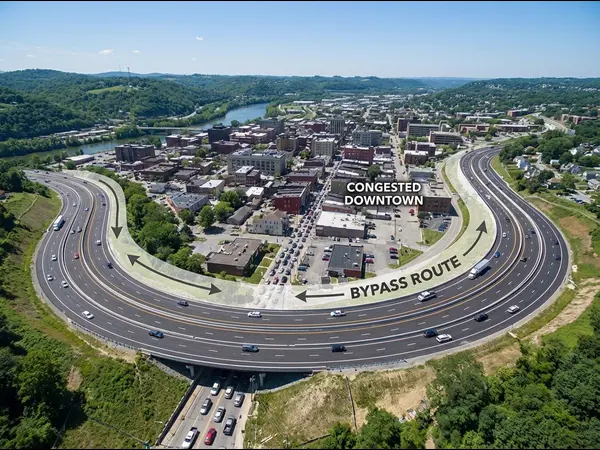
bypass
[bye-pass]
to avoid or go around something

pretermit
[pree-ter-mit]
to let pass without notice; disregard

legerdemain
[lej-er-duh-meyn]
sleight of hand; trickery

malign
[muh-lahyn]
to speak harmful untruths about; speak evil of; slander; defame

allege
[uh-lej]
to declare with positiveness; affirm; assert