elongate
verbDefinition
What Makes This Word Tick
Elongate means to increase length in a noticeable way. It suggests deliberate extension rather than accidental change. Unlike extend, which can apply broadly, elongate focuses specifically on physical or visual length.
If Elongate Were a Person…
If this word were a person, they would gently pull things into greater reach. Their instinct would be to draw lines outward rather than cut them short. They prefer expansion over reduction.
How This Word Has Changed Over Time
Elongate has consistently referred to increasing length. Over time, it has been used in artistic, biological, and technical contexts. The core idea of stretching beyond original size remains steady.
Old Sayings and Proverbs
Proverb-style wisdom sometimes warns against stretching matters too far. This reflects the tension between necessary extension and excess.
Surprising Facts
Elongate often appears in anatomy and art discussions. It can describe natural growth or stylistic exaggeration. The word carries both literal and aesthetic applications.
Out and About With This Word
You will hear elongate in design, biology, and sculpture. It fits when describing shapes that become taller, thinner, or longer. The word signals purposeful modification of proportion.
Pop Culture Moments
In visual storytelling, characters or shadows are sometimes elongated for dramatic effect. The stretched form heightens mood or intensity. Elongation becomes a visual cue for emphasis.
The Word in Literature
Writers may use elongate metaphorically to describe drawn-out processes. It can suggest time or tension being stretched. The word often signals deliberate extension rather than delay.
Moments in History
Architectural trends that favor tall columns or extended forms reflect principles tied to elongation. The emphasis on height and vertical stretch demonstrates aesthetic application of the concept.
This Word Around the World
Many languages use verbs meaning lengthen or stretch to express similar ideas. The image of pulling something outward is widely understood. Elongation often implies visible change.
Where Does It Come From?
Elongate derives from Latin elongare, meaning to lengthen or draw out. The root longus means long. Its origin directly mirrors its meaning.
How People Misuse This Word
People sometimes use elongate when they simply mean continue. However, elongate implies physical or measurable lengthening. It suggests change in dimension rather than mere duration.
Words It’s Often Confused With
Extend is broader and may not imply increased length. Prolong focuses more on time than shape. Stretch overlaps closely but can suggest flexibility rather than permanent lengthening.
Additional Synonyms and Antonyms
Additional Synonyms: draw out, amplify, expand, heighten Additional Antonyms: truncate, shrink, curtail
Want to Try It Out in a Sentence?
"The artist chose to elongate the figure’s limbs for dramatic effect."
Explore more words
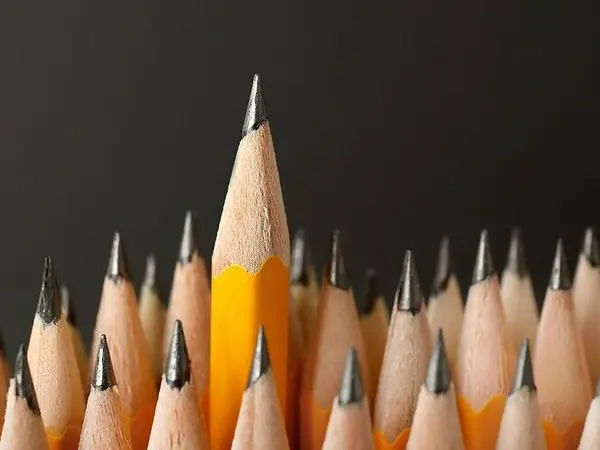
salient
[sey-lee-uhnt]
prominent or conspicuous

river
[riv-er]
a large natural stream of water.

avaricious
[av-uh-rish-uhs]
characterized by avarice; greedy; covetous
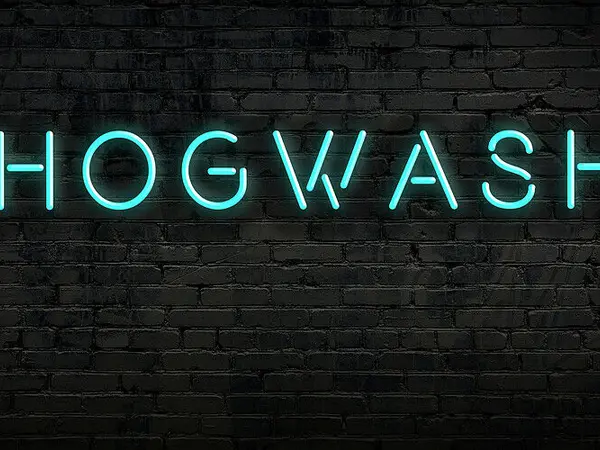
hogwash
[hawg-wosh]
refuse given to hogs; swill

limpid
[lim-pid]
clear, transparent, or pellucid (as water, crystal, or air)

blend
[bl-end]
to mix different substances or elements to form a unified whole.

daily
[d-aily]
occurring every day or on a routine basis.

jocund
[jok-uhnd]
cheerful; merry; blithe; glad

balance
[bal-uhns]
an even distribution of weight enabling someone or something to remain upright and steady

chutzpah
[hutz-pah]
informal shameless audacity; impudence
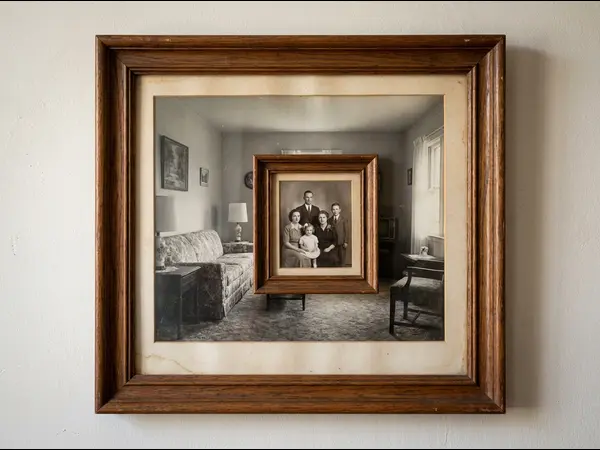
inset
[in-set]
a small picture or map within a larger one

atrocious
[uh-troh-shuhs]
horrifyingly bad or unpleasant

pervasive
[per-vey-siv]
spread throughout

apparent
[app-ar-ent]
clearly visible or understood; seeming to be true, even if not confirmed.
aplomb
[uh-plom]
imperturbable self-possession, poise, or assurance
curb
[k-urb]
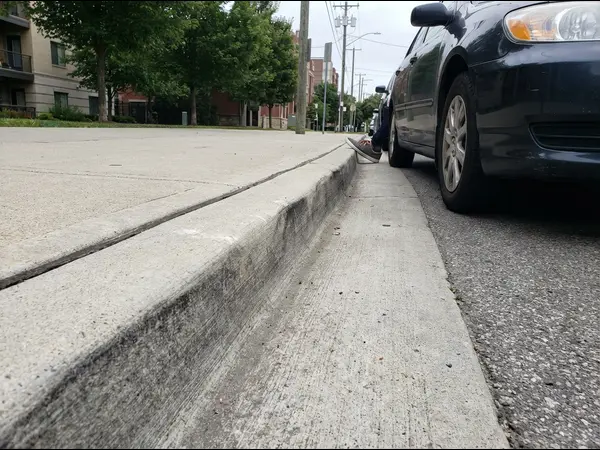
to restrain or control something; also refers to the raised edge of a street.