
cheered
adjectiveDefinition
What Makes This Word Tick
Cheered describes a lifted emotional state—more hopeful, happier, or more encouraged than before. It often hints at a cause, like good news or support from others, even if that cause isn’t spelled out.
If Cheered Were a Person…
Cheered would be the friend who walks in with lighter steps after hearing something reassuring. They’re warmed up inside, easier to smile, and more ready to try again.
How This Word Has Changed Over Time
The meaning has remained closely tied to improved spirits and encouragement. Modern usage still leans on that emotional lift, whether it comes from praise, company, or a positive turn of events.
Old Sayings and Proverbs
A proverb-style idea that matches cheered is that “a kind word can change the whole day.” This reflects how encouragement can lift someone’s mood and confidence.
Surprising Facts
Cheered can describe both internal mood and the effect of outside support, which gives it a quietly social feel. It also suggests motion from low to higher spirits, not just neutral happiness.
Out and About With This Word
You’ll often see cheered in storytelling and conversation when someone’s mood improves after encouragement. It also appears in descriptions of crowds and celebrations, where positive energy is shared and amplified.
Pop Culture Moments Where Cheered Was Used
In pop culture, this idea often shows up in comeback moments—someone gets support, regains confidence, and tries again. The concept fits because encouragement makes change feel believable and earned.
The Word in Literature
In literary writing, cheered can quickly pivot a scene from heaviness to relief without long explanation. It signals renewed hope or warmth, shaping tone and pacing by showing a character’s energy returning.
Moments in History with Cheered
Throughout history, the concept appears in settings where morale matters—teams, communities, and groups facing challenges or uncertainty. Being cheered reflects the social power of support to restore confidence and keep people moving forward.
This Word Around the World
Across languages, this idea is commonly expressed with words meaning “encouraged,” “heartened,” or “made glad.” Some languages emphasize the emotional lift, while others emphasize the act of giving support that creates it.
Where Does It Come From?
Your inventory links cheered to cheer, connected to mood and expression, with a form that marks a changed state. That origin fits the modern meaning: someone’s spirits have been lifted.
How People Misuse This Word
Cheered is sometimes used as if it only means “made noise,” but it can also mean “felt encouraged.” Context helps: a person can be cheered inside even without cheering out loud.
Words It’s Often Confused With
Happy is broader and doesn’t necessarily suggest encouragement. Relieved can look similar, but it’s tied to fear or worry easing rather than support lifting mood. Excited is higher-energy, while cheered can be gentle and steady.
Additional Synonyms and Antonyms
Additional Synonyms: heartened, reassured, buoyed Additional Antonyms: downcast, despondent, crestfallen
Want to Try It Out in a Sentence?
"The fans cheered loudly as their team scored the winning goal."
Explore more words

suborn
[suh-bawrn]
in law, to induce (a person, especially a witness) to give false testimony

libertarian
[li-ber-ian]
advocating principles of liberty and free will

abrasive
[uh-brey-siv]
tending to abrade; causing abrasion; abrading

belong
[bih-lawng]
to be a member or part of something

adorned
[ad-orn-ed]
decorated or embellished to make something more attractive.

harlequin
[hahr-luh-kwin]
fancifully varied in color, decoration, etc.

crestfallen
[krest-faw-luhn]
dejected; dispirited; discouraged

oxymoron
[ok-si-mawr-on]
a figure of speech by which a locution produces an incongruous, seemingly self-contradictory effect, as in “cruel kindness” or “to make haste slowly"

intellect
[in-tuh-lekt]
the ability to think and reason

solder
[sod-er]
to join closely and intimately
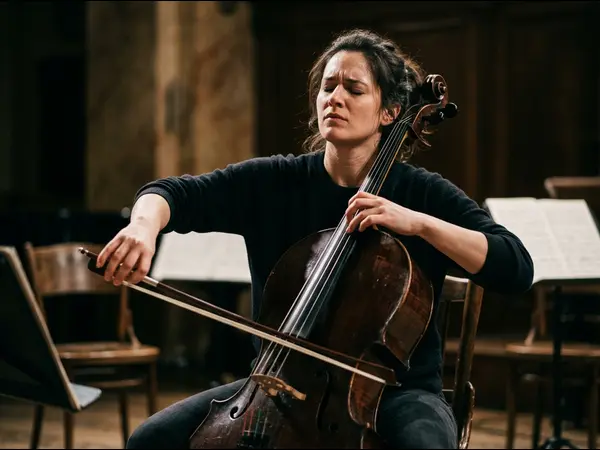
passion
[p-aszhun]
intense emotion, enthusiasm, or desire, often for something or someone.

flicker
[flik-er]
to shine unsteadily or briefly

graduate
[graj-oo-it]
one that has received an academic degree, a diploma, or a certificate.

drowse
[drouz]
to be dull or sluggish
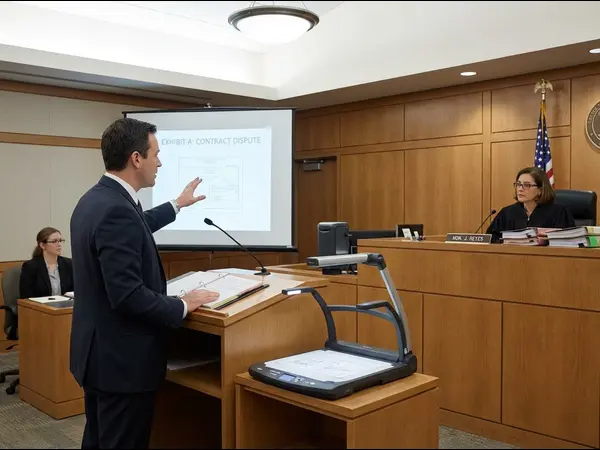
case
[k-as-e]
a container or situation designed for a specific purpose; also refers to an instance or example.

loll
[lol]
to recline or lean in a relaxed, lazy, or indolent manner; to lounge