adorned
verbDefinition
What Makes This Word Tick
Adorned describes something made more attractive by added decoration or detail. It fits best when you want to highlight visible touches—objects, spaces, or even writing—being dressed up on purpose. It’s closer to “embellished” than merely “neat,” and it’s the opposite of something plain or unadorned.
If Adorned Were a Person…
Adorned would be the friend who can’t resist adding the finishing touches—an extra flourish, a thoughtfully chosen accessory, a little sparkle. They’re not trying to hide anything; they’re simply making what’s there feel more inviting. Their vibe is “polished,” not “over-the-top,” unless the decoration starts stealing the spotlight.
How This Word Has Changed Over Time
The core idea behind adorned has stayed fairly steady: adding decorative detail to enhance appearance. Over time, it has also been comfortable in more figurative spaces, like describing language or storytelling that feels ornamented. Even then, it keeps the same central sense of being made more attractive through added touches.
Old Sayings and Proverbs
A proverb-style idea that matches adorned is that “a little decoration can change the whole room.” The point is that thoughtful embellishment can elevate something ordinary without changing what it fundamentally is.
Surprising Facts
Adorned often implies intention—someone chose to add details, rather than the look happening by accident. It can suggest elegance and care, but if the decoration is excessive, the tone can lean toward “overly embellished.” Because it’s visually oriented, it’s especially common with spaces, clothing, and descriptive writing.
Out and About With This Word
You’ll often see adorned in descriptions of interiors, events, clothing, and art—anywhere details are added to make something look special. It’s also handy in reviews or narratives when you want to emphasize atmosphere and presentation. The word naturally shows up when appearance and finishing touches matter.
Pop Culture Moments Where Adorned Was Used
In pop culture, the idea of something being adorned shows up in makeover moments, grand reveals, and scenes where a space is transformed for celebration. It’s the language of “before and after,” where decoration signals mood, meaning, or status. The concept fits any story beat where presentation is part of the point.
The Word in Literature
In literary writing, adorned helps create vivid imagery by calling attention to deliberate decorative detail. Authors use it to signal refinement, ceremony, or a carefully crafted scene, without needing a long inventory of objects. It can also suggest a slightly elevated tone, as if the description itself is dressed up.
Moments in History with Adorned
Historically, the concept behind adorned belongs to rituals and public display—spaces prepared for gatherings, objects decorated for ceremonies, and attire enhanced to mark importance. Decoration has long been used to communicate meaning, whether honor, celebration, or belonging. The word fits those moments where added detail signals “this matters.”
This Word Around the World
Many languages separate the idea of “decorated” from “ornate,” but the shared concept is adding detail to enhance appearance. You’ll often find equivalents that connect to ornament, embellishment, or dressing something up.
Where Does It Come From?
Adorned traces back through Latin-rooted vocabulary tied to the idea of adding ornament and making something visually appealing. Even when the deeper historical trail gets messy in summaries, the modern sense stays anchored to decoration and embellishment.
How People Misuse This Word
People sometimes use adorned when they only mean “clean” or “tidy,” but adorned implies added decorative detail, not just neatness. It’s also easy to overuse it for anything nice-looking, even when nothing was actually embellished.
Words It’s Often Confused With
Adorned is often confused with decorated, but adorned usually feels a bit more deliberate and “finished.” It can also blur with ornate, though ornate suggests heavy or intricate detail rather than simply being embellished. Embellished overlaps closely, but can also imply adding extra flourishes beyond what’s needed.
Additional Synonyms and Antonyms
Additional Synonyms: bedecked, garnished, festooned Additional Antonyms: bare, austere, spartan
Want to Try It Out in a Sentence?
"The hall was adorned with paintings and sculptures."
Explore more words
malarkey
[muh-lahr-kee]
meaningless talk; nonsense

umbrage
[uhm-brij]
offense; annoyance; displeasure

quisling
[kwiz-ling]
a person who betrays his or her own country by aiding an invading enemy, often serving later in a puppet government; a traitor

intransigent
[in-tran-si-juhnt]
refusing to agree or compromise; uncompromising; inflexible
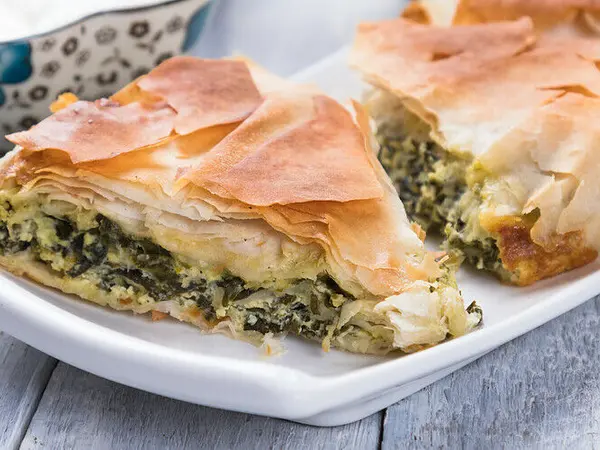
phyllo
[fee-loh]
flaky, tissue-thin layers of pastry used in baked desserts and appetizers

increase
[inkr-eas-e]
to grow in size, number, or intensity; to make something greater.

prodigious
[pruh-dij-uhs]
extraordinary in size, amount, extent, degree, force, etc.

histrionics
[his-tree-on-iks ]
dramatic representation; theatricals; acting

revel
[rev-uhl]
to take great pleasure or delight
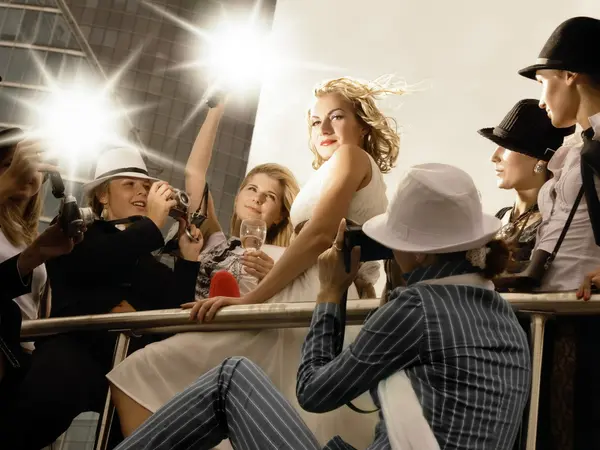
cynosure
[sahy-nuh-shoor]
something that strongly attracts attention by its brilliance, interest, etc.
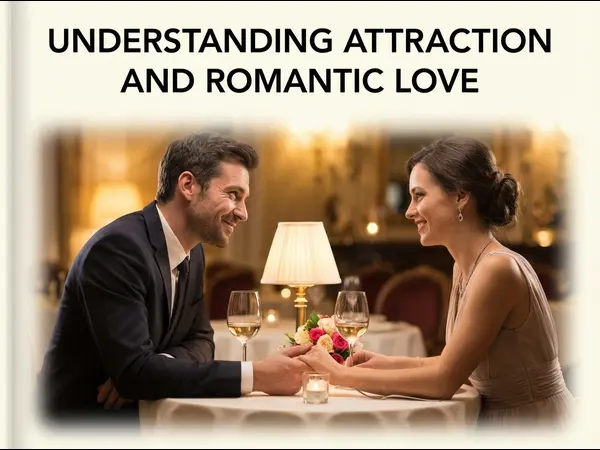
amorous
[am-oro-ous]
showing love, particularly sexual
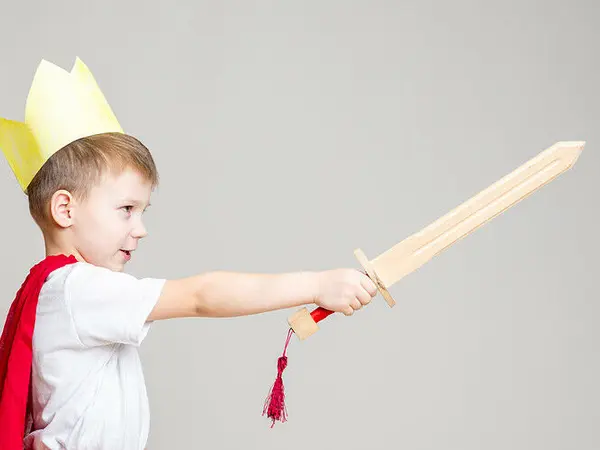
czar
[zahr]
a person of great power

twisted
[tw-ist-ed]
bent, distorted, or deformed; also refers to something complex or perverse.

idyllic
[ahy-dil-ik]
suitable for or suggestive of an idyll; charmingly simple or rustic
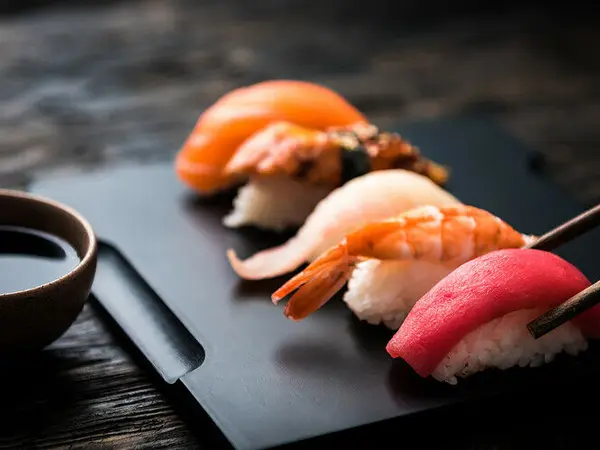
umami
[oo-mah-mee]
a strong meaty taste imparted by glutamate and certain other amino acids: often considered to be one of the basic taste sensations along with sweet, sour, bitter, and salty

abject
[ab-jekt]
(of something bad) experienced or present to the maximum degree