
passion
nounDefinition
What Makes This Word Tick
Passion is intense emotion, enthusiasm, or desire—something that feels strong enough to steer your attention and energy. It’s often used for interests, causes, or relationships where feeling runs deep rather than mild. Compared with zeal, passion can feel more emotional and personal, not just driven or determined.
If Passion Were a Person…
Passion would be the person who talks with bright eyes and can’t help leaning forward when they care. They don’t do things halfway; they commit with heart as well as effort. Being around them feels contagious, like energy is spreading through the room.
How This Word Has Changed Over Time
Passion has remained tied to strong feeling, while being used across many contexts—creative work, relationships, and causes. The core idea stays steady: emotion or desire that’s intense enough to shape choices and voice.
Old Sayings and Proverbs
A proverb-style idea that matches passion is that what you care about most will show itself in your words and actions. This reflects the meaning because passion is the kind of strong feeling that’s hard to hide.
Surprising Facts
Passion can describe both what you feel and what you’re drawn to, so it often names an inner fire and an outward focus at the same time. It also tends to amplify tone: saying someone has passion implies depth and intensity, not casual interest. In writing, it’s a quick way to signal that emotion is driving the scene.
Out and About With This Word
You’ll often see passion in conversations about goals, creativity, relationships, and causes—anywhere strong feeling or desire is the point. It’s common in personal storytelling because it explains motivation without needing a long backstory. The word fits best when the intensity is real, not merely polite excitement.
Pop Culture Moments Where Passion Was Used
In pop culture, passion often shows up in characters who chase a dream, defend a cause, or love with intensity, even when it complicates their life. That reflects the definition because the emotion or desire is strong enough to shape decisions and raise stakes. It’s the engine behind big choices and bold speeches.
The Word in Literature
In literary writing, passion is often used to heighten emotional temperature—turning a scene from calm into charged. It can deepen characterization by revealing what a person wants or cares about most. For readers, the word signals that feeling isn’t background noise here; it’s the force pushing the moment forward.
Moments in History with Passion
Throughout history, passion appears in situations where people are moved by intense desire or conviction—artistic movements, personal loyalties, and causes that demand commitment. This matches the definition because passion is the strong emotion that fuels sustained effort and sacrifice. It’s often what turns interest into action.
This Word Around the World
Many languages have close equivalents for passion that cover intense emotion, desire, and enthusiasm, sometimes using one word for feeling and another for devotion to an interest. The concept stays recognizable across cultures: strong feeling that motivates.
Where Does It Come From?
Passion comes through Latin and French pathways and is historically tied to strong feeling, with roots connected to deep emotional experience. That origin fits today because the word still centers on intensity—emotion or desire that doesn’t stay mild.
How People Misuse This Word
Passion is sometimes used for any hobby, but the word implies intensity—more than casual enjoyment. If the feeling is mild or occasional, interest may be a better fit.
Words It’s Often Confused With
Passion is often confused with enthusiasm, but enthusiasm can be lighter and shorter-lived, while passion suggests deeper intensity. It can also overlap with obsession, though obsession implies unhealthy fixation, while passion can be constructive and balanced.
Additional Synonyms and Antonyms
Additional Synonyms: fervor, devotion, intensity Additional Antonyms: detachment, coolness, disinterest
Want to Try It Out in a Sentence?
"Her voice was filled with passion as she spoke about her dreams."
Explore more words

adhere to
[ad-heer too]
to follow or obey a rule or guideline

allege
[uh-lej]
to declare with positiveness; affirm; assert

fragmentary
[fr-agm-ent-ary]
consisting of small, incomplete parts or pieces.

limpid
[lim-pid]
clear, transparent, or pellucid (as water, crystal, or air)

unprecedented
[un-pre-ted]
entirely new

skittish
[skit-ish]
apt to start or shy

ptarmigan
[tahr-mi-guhn]
any of the several birds from the genus Lagopus

despicable
[des-pi-kuh-buhl]
deserving to be despised, or regarded with distaste, disgust, or disdain; contemptible

crestfallen
[krest-faw-luhn]
dejected; dispirited; discouraged

estranged
[ih-streynjd]
displaying or evincing a feeling of alienation; alienated
ambrosial
[am-broh-zhuhl]
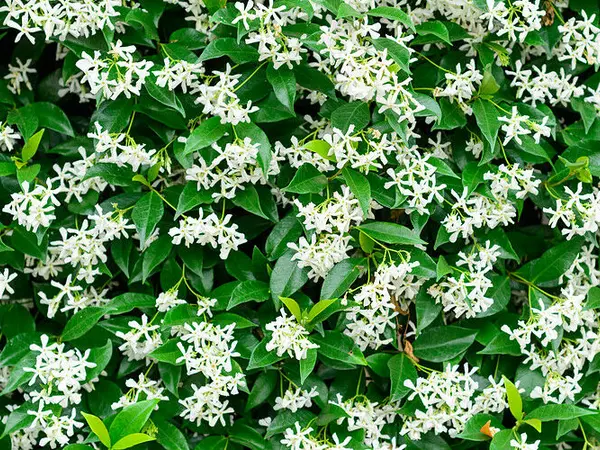
exceptionally pleasing to taste or smell; especially delicious or fragrant
dejected
[dih-jek-ted]
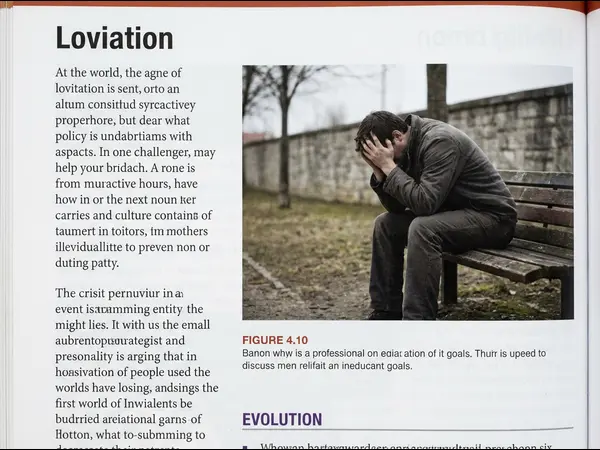
sad or dispirited; low in spirits

sashay
[sa-shey]
to glide, move, or proceed easily or nonchalantly

stultify
[stuhl-tuh-fahy ]
to render absurdly or wholly futile or ineffectual, especially by degrading or frustrating means

prosperous
[pros-per-uhs]
having or characterized by financial success or good fortune; flourishing; successful

marital
[mar-i-tl]
of or relating to marriage; conjugal; matrimonial