crestfallen
adjectiveDefinition
What Makes This Word Tick
"Crestfallen" evokes such vivid imagery, doesn't it? It's a word that brings to mind someone whose hopes have just been dashed, their spirits sinking like a lead balloon. Visually, think of a proud rooster whose comb droops sadly - it's all in the body language.
If Crestfallen Were a Person…
If crestfallen were personified, they might be that wistful face in a Norman Rockwell painting, sitting alone on a park bench on a drizzly afternoon. This person would be quietly reflective, perhaps holding a canceled ticket in one hand and a fading boarding pass in the other.
How This Word Has Changed Over Time
Originally, "crestfallen" related literally to birds whose crests were down, a sign of defeat or submission. Over time, though, it fluttered beyond the barnyard to describe human emotions, carrying a melancholy charm perfect for literary tales of woe.
Old Sayings and Proverbs That Use Crestfallen
While "crestfallen" isn't the star of any famous proverbs, it captures the essence of the saying "a picture is worth a thousand words." The word itself paints an emotional picture of loss and disappointment, perfectly encapsulating that proverbial state of dejection.
Surprising Facts About Crestfallen
Surprisingly, despite its specific emotional punch, "crestfallen" isn't overused in poetry. It has a quaint, old-fashioned appeal that writers might reserve for pivotal moments of impending revelation or heartache, adding to its mystique.
Out and About With This Word
You'll spot "crestfallen" in the wild in moments of personal reflection and introspection. It's often seen lurking in poignant greeting cards or elegantly scripted in the margin notes of well-worn classic novels.
Pop Culture Moments Where Crestfallen Was Used
"Crestfallen" had a moment in the sun thanks to Smashing Pumpkins, whose song by the same name captured that wistful yearning beautifully. This word pops up in scripts and plays, portraying those soul-searching scenes where characters experience a profound personal setback.
The Word in Literature
"Crestfallen" frequently finds itself nestled in the prose of authors who love a bit of melancholy, like Thomas Hardy or the Brontë sisters. This term often sets the stage for characters facing unexpected life twists, acting as a narrative segue into deeper quests.
Moments in History with Crestfallen
Imagine legendary explorer Vasco da Gama upon his return to Portugal after his first trip to India, seeing an indifferent king. That sinking disappointment would have left him crestfallen, especially after the trials and triumphs of his lengthy journey.
This Word Around the World
In France, someone who is “déçu” might have dropped shoulders much like a crestfallen person. Meanwhile, in Japan, where emotional displays are more subdued, the sentiment behind being crestfallen is conveyed with subtlety, in phrases like "shitsubou shita" (disillusioned).
Where Does It Come From?
The term "crestfallen" hails from the 16th century, combining "crest," the top or head part of something, and "fallen." Originally descriptive of a defeated stance, it evolved metaphorically to describe crushed spirits.
How People Misuse This Word
Oftentimes, "crestfallen" gets thrown around in contexts of minor disappointment. True crestfallenness is more profound, akin to realizing the running of a dream castle in the sky is a scam.
Words It's Often Confused With
- Disappointed: Though similar, being crestfallen has a more profound or crushed quality.
- Dejected: Close in meaning, but dejected can cover a wide range of lows, not just the fall from high hope.
- Sorrowful: Sorrow implies a deeper, often more enduring sadness than crestfallen.
Additional Synonyms and Antonyms
Synonyms for "crestfallen" include downcast, despondent, and disheartened. Antonyms could be elated, jubilant, or buoyant - terms that lift the spirit skyward.
Want to Try It Out in a Sentence?
"When her carefully baked soufflé deflated in the oven, Helen felt utterly crestfallen, her dreams of impressing the dinner guests disappearing with the last wisp of hot air."
Explore more words
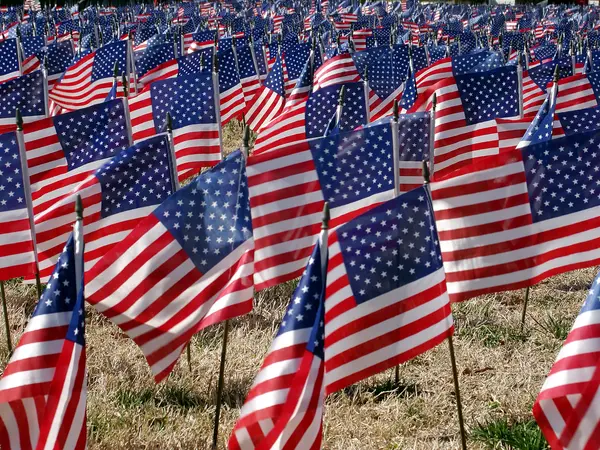
commemorate
[kuh-mem-uh-reyt]
to serve as a memorial or reminder of
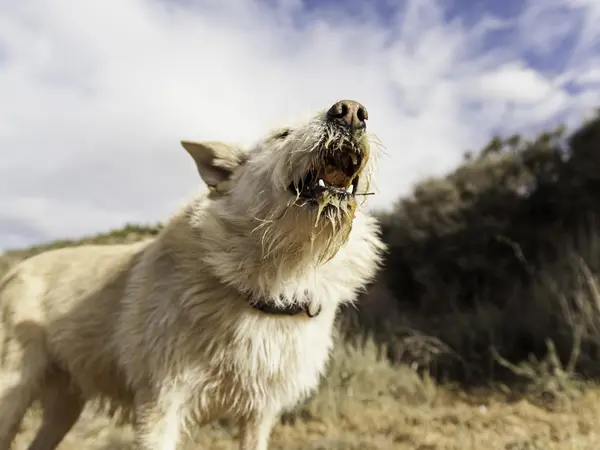
yelp
[yelp]
to give a quick, sharp, shill cry, as a dog or fox
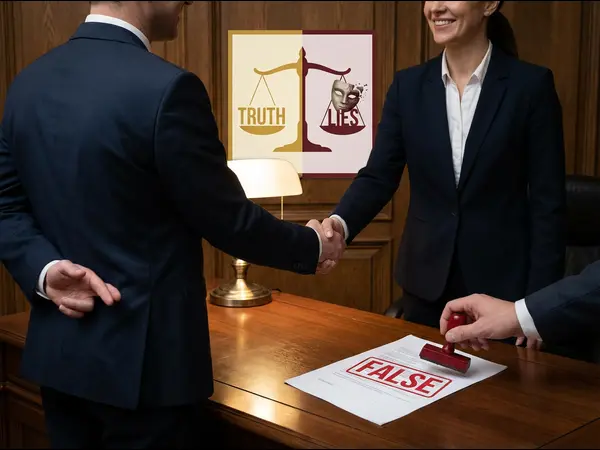
falsity
[f-als-ity]
the quality or state of being untrue or deceptive.

estranged
[ih-streynjd]
no longer in a friendly or affectionate relationship with a family member or friend, and typically living apart

collude
[kuh-lood]
to act together through a secret understanding, especially with evil or harmful intent

monocracy
[moh-nok-ruh-see]
government by only one person; autocracy

flimflam
[flim-flam]
a piece of nonsense; twaddle; bosh

apparel
[uh-par-uhl]
clothing or garments

palatable
[pal-uh-tuh-buhl]
acceptable or agreeable to the mind or feelings

belong
[bih-lawng]
to be a member or part of something

defraud
[dih-frawd]
to cheat or deceive someone out of something valuable
precocious
[pr-eco-ous]
advanced, developing ahead of time

soliloquy
[suh-lil-uh-kwee]
an utterance or discourse by a person who is talking to himself or herself or is disregardful of or oblivious to any hearers present

epic
[ep-ik]
a long narrative poem or a grand and heroic story

discharge
[dis-chahrj]
to release or allow something to flow out

ablate
[a-bleyt]
to remove or dissipate by melting, vaporization, erosion, etc.