
flicker
AdjectiveDefinition
What Makes This Word Tick
Flicker means to burn or shine with an unsteady light, or to move or appear briefly. The word captures instability and quick change, as if something can’t quite hold still. Compared with shine, flicker suggests variation—light that wavers rather than stays constant.
If Flicker Were a Person…
Flicker would be the restless presence who never lingers in one place for long. They show up in flashes, bright and quick, then fade before you fully grasp them. Their energy feels alive but unpredictable.
How This Word Has Changed Over Time
Flicker has long been associated with light that moves irregularly, such as candles or small flames. Over time, it expanded to describe brief appearances of emotion, hope, or memory. The core sense of quick, unsteady movement has remained steady.
Old Sayings and Proverbs
Proverb-style language often treats a flicker as a small but meaningful sign, like a flicker of hope in dark times. This matches the word because even a brief, wavering light can signal possibility.
Surprising Facts
Flicker is as much about duration as it is about movement: it implies something brief and unsteady. It works equally well for physical light and fleeting feelings. The word’s quick sound mirrors the quick action it describes.
Out and About With This Word
You’ll often see flicker in descriptions of candles, screens, shadows, and subtle emotional changes. It fits moments when something appears for just a second or shifts irregularly. The word adds motion and delicacy to description.
Pop Culture Moments Where Flicker Was Used
In pop culture, flicker imagery often signals suspense or fragility—a light in a dark hallway or a brief sign of hope in a tense scene. That reflects the definition because the focus is on unsteady brightness or brief appearance.
The Word in Literature
In literary writing, flicker is frequently used to suggest transience. Authors may describe a flicker of emotion crossing someone’s face or a flicker of light in darkness. The word brings both movement and brevity into a single image.
Moments in History with Flicker
The concept behind flicker appears wherever light sources were fragile and unsteady, shaping how people experienced nighttime or uncertainty. It fits historical settings where small, wavering light meant survival or vigilance. The meaning connects directly to the instability of natural flames and early lighting.
This Word Around the World
Many languages express this idea with verbs meaning “to flutter,” “to waver,” or “to flash briefly,” depending on whether light or movement is emphasized. The nuance can vary between brightness and motion.
Where Does It Come From?
Flicker comes from Old English roots connected to quick, light movement or fluttering. The origin reinforces the sense of irregular motion and brief flashes of light.
How People Misuse This Word
Flicker is sometimes used when something simply shines, but it specifically implies unsteadiness or brevity. If the light is constant, glow or shine may be more accurate.
Words It’s Often Confused With
Flicker is often confused with flash, but flash suggests a sudden burst, while flicker implies repeated wavering. It’s also close to shimmer, which emphasizes soft, continuous variation rather than brief instability. Glimmer overlaps, though glimmer usually describes faint light rather than unsteady movement.
Additional Synonyms and Antonyms
Additional Synonyms: waver, quiver, spark, blink Additional Antonyms: glow steadily, beam, radiate, remain constant
Want to Try It Out in a Sentence?
"The candle began to flicker as the wind slipped through the open window."
Explore more words

persiflage
[pur-suh-flahzh]
light and slightly contemptuous mockery or banter
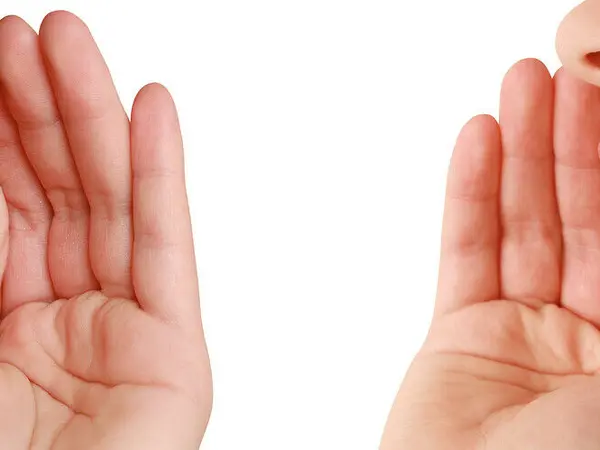
flibbertigibbet
[flib-er-tee-jib-it]
a frivolous, flighty, or excessively talkative person

writhe
[rahyth]
to twist or contort the body in pain or discomfort
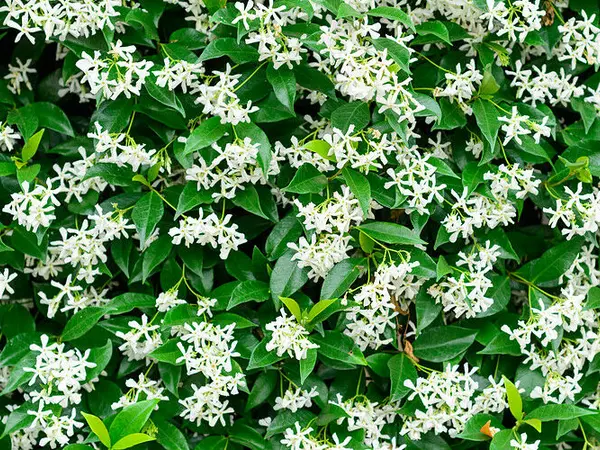
ambrosial
[am-broh-zhuhl]
exceptionally pleasing to taste or smell; especially delicious or fragrant

uitwaaien
[out-vahyn]
the Dutch practice of jogging or walking into the wind, especially in the winter, for the purpose of feeling invigorated while relieving stress and boosting one’s general health

willies
[wil-eez]
a strong feeling of nervousness or unease

tisane
[ti-zan]
aromatic or herb-flavored tea

bewitched
[b-ew-itch-ed]
enchanted or under a magical spell; also refers to being captivated or charmed.
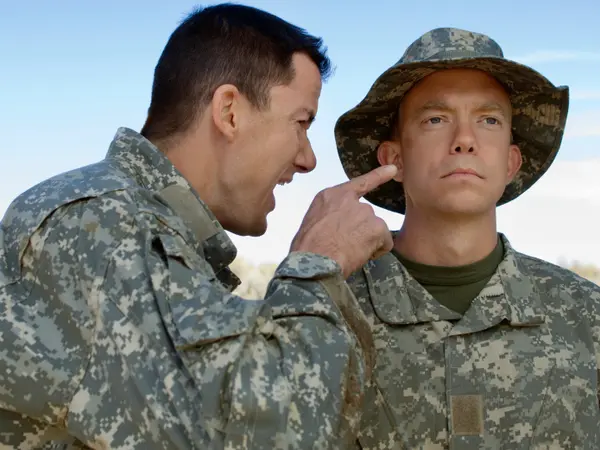
chasten
[chey-suhn]
to inflict suffering upon for purposes of moral improvement; chastise

basilica
[buh-sil-ih-kuh]
a large church or building with a central nave and aisles, often used as a christian place of worship.

rebuff
[ri-buhf ]
to give a rebuff to; check; repel; refuse; drive away

blithe
[blahyth]
showing a casual and cheerful indifference considered to be callous or improper

abide
[ab-ide-ide]
to put up with

pithy
[pith-ee]
brief, forceful, and meaningful in expression; full of vigor, substance, or meaning; terse; forcible
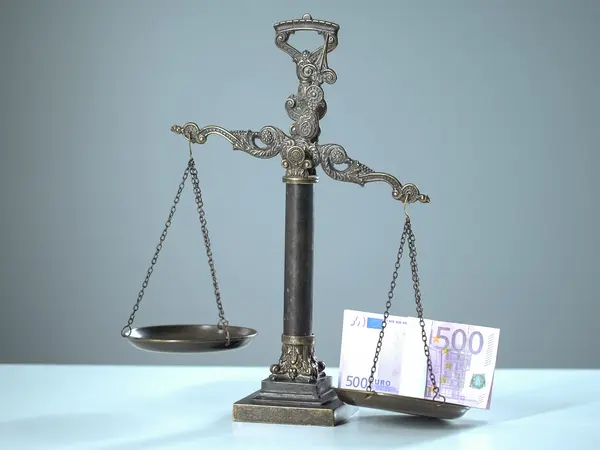
militate
[mil-i-teyt]
to have a substantial effect; weigh heavily

remunerative
[ri-myoo-ner-uh-tiv]
affording remuneration; profitable