abrasive
adjective, adjectiveDefinition
What Makes This Word Tick
The word "abrasive" might sound a bit rough around the edges, and that's quite fitting. Whether it's used to describe a scratchy surface or a harsh personality, "abrasive" suggests a quality that's a little harder to ignore. It's the kind of word that almost feels like sandpaper when you say it out loud.
If Abrasive Were a Person…
Imagine someone who never noticed the crumbs on their shirt or felt the need to sugarcoat their words. They'd be the friend you call when you need the brutal truth – if you can handle it. This fictional "abrasive" person would thrive at a debate club, where blunt honesty is valued over soft-spoken diplomacy.
How This Word Has Changed Over Time
Originally, "abrasive" was all about the physical. It described substances used for grinding or polishing. Over the years, it rubbed into the realm of personalities, becoming a way to describe someone with a bit of an edge – metaphorically speaking, of course.
Old Sayings and Proverbs That Use Abrasive
While "abrasive" doesn't directly pop up in age-old proverbs, the idea of roughness is woven into sayings like “rubbing someone the wrong way.” It's all about the discomfort that comes from friction, be it literal or figurative.
Surprising Facts About Abrasive
Did you know that the finest grades of sandpaper, classified as "abrasive," can have as many as 1,000 grit particles per square inch? That's enough to make even a boulder as smooth as a pebble! Plus, the word itself often surprises in crossword puzzles for its dual life as both noun and adjective.
Out and About With This Word
At hardware stores, "abrasive" jumps off the shelf in the form of sandpaper and steel wool. Meanwhile, in social circles, it's that spicy comment at a dinner party that leaves everyone speechless. This word has a chutzpah that's hard to miss, no matter where you encounter it.
Pop Culture Moments Where Abrasive Was Used
In TV and films, abrasive characters tend to steal the show. Think of sitcoms where the bluntly honest character always tells it like it is, often with hilarious or cringe-worthy results. Consider Dr. Gregory House from "House," whose abrasive demeanor was both his charm and his flaw.
The Word in Literature
"Abrasive" often surfaces in novels to paint vivid character sketches. Imagine a detective novel where the protagonist's abrasive nature both solves crimes and alienates friends. It's a word that adds texture to the literary world, much like a gritty antagonist.
Moments in History with Abrasive
Consider Winston Churchill's famed speeches during World War II. While his words are celebrated, his delivery was often seen as abrasive – commanding, direct, and unyielding. It's a reminder that sometimes, an abrasive touch is exactly what history had in mind.
This Word Around the World
In Spanish, the word "abrasivo" holds the same physical grit as its English counterpart. Meanwhile, in Japan, there's a social equivalent: “tsun-dere,” a term for someone whose tough exterior hides a softer side. Cultures around the world have their own versions of this straightforward, slightly prickly character.
Where Does It Come From?
"Abrasive" finds its roots in the Latin word "abrasus," meaning "to scrape off." It's perfectly aligned with its gritty, grind-away nature. Over time, as it entered the English language, it stuck fast – like grit to glue.
How People Misuse This Word
Sometimes, "abrasive" gets thrown into conversations when folks really mean "obnoxious" or "rude." It's not that mixing them up grates our ears, but using them precisely can make dialogue much smoother.
Words It's Often Confused With
- Harsh: Often used interchangeably, but "abrasive" implies a roughness not just in tone but in approach.
- Rough: Both can describe textures, but "abrasive" suggests intentional friction.
- Blunt: Lacks the cutting quality of "abrasive," offering straightforwardness without the scratchy aftermath.
Additional Synonyms and Antonyms
Synonyms include "gritty," "scratchy," and "unpleasant." On the flipside, antonyms might be "smooth," "gentle," and "polished." It's fascinating how much texture can come from a single word.
Want to Try It Out in a Sentence?
After listening to her abrasive critique of his artwork, he decided to stick with finger painting for a while – his ego needed something a bit more soothing.
Explore more words

adulate
[aj-uh-leyt]
to show excessive admiration or devotion to; flatter or admire servilely

disintegration
[dis-in-ti-grey-shuhn]
the process of breaking into smaller parts

clangor
[klang-er]
a loud, resonant sound
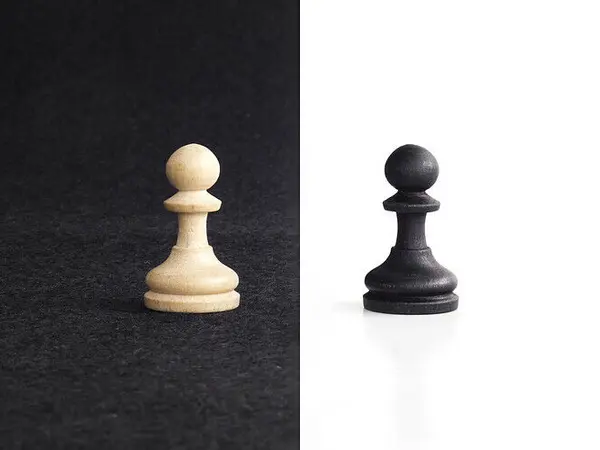
dichotomy
[dahy-kot-uh-mee]
a division or contrast between two things that are or are represented as being opposed or entirely different
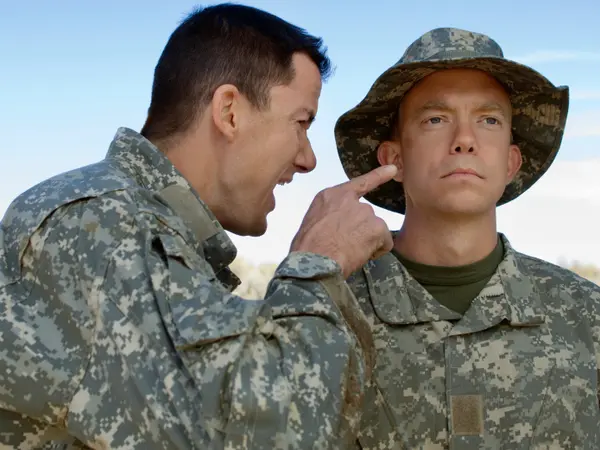
chasten
[chey-suhn]
to inflict suffering upon for purposes of moral improvement; chastise

affliction
[uh-flik-shun]
a state of pain, distress, or suffering

jejune
[ji-joon]
naive, simplistic, and superficial

prophet
[prof-it]
a person regarded as an inspired teacher or proclaimer of the will of god

haboob
[huh-boob]
a thick dust storm or sandstorm that blows in the deserts of North Africa and Arabia or on the plains of India

inspirit
[in-spir-it]
to infuse spirit or life into; enliven

accrete
[uh-kreet]
to grow together; adhere (usually followed by to)

oeillade
[œ-yad]
an amorous glance; ogle

horizon
[hih-rai-zun]
the line at which the earth's surface and the sky appear to meet.

methodical
[m-eth-od-ik-al]
done in an orderly, systematic, or logical way.

charlatan
[shahr-luh-tn]
a person who pretends or claims to have more knowledge or skill than he or she possesses; quack

blend
[bl-end]
to mix different substances or elements to form a unified whole.