
oxymoron
nounDefinition
What Makes This Word Tick
An oxymoron is a delightful paradox wrapped in two contradictory words. This term adds a splash of intrigue to language, offering phrases like “bittersweet” or “deafening silence” that make us pause and ponder. It's all about contrast, creating a vivid image out of contradiction.
If Oxymoron Were a Person…
Imagine Oxymoron as someone who wears a tuxedo with sneakers and makes complex dishes sound like simple afternoon projects. It's that quirky friend who charms you with paradoxes, like enthusiastically recommending a “jumbo shrimp” at a party.
How This Word Has Changed Over Time
Despite its Greek origins, oxymoron has maintained a solid footprint in English. Over centuries, it hasn't strayed far from its roots, consistently serving as a term for those lovely contradictions that pepper our language and literature.
Old Sayings and Proverbs That Use Oxymoron
While classic proverbs may not directly use “oxymoron,” they thrive on contradictory phrases, such as “less is more.” These sayings embrace the oxymoron spirit by marrying opposites in wisdom that's stood the test of time.
Surprising Facts About Oxymoron
Oxymorons are everywhere, hiding in plain sight! From the culinary world of “baked Alaska” to the beauty of “plastic glasses,” they sneak contradictions into our everyday conversations, adding spice and depth.
Out and About With This Word
Encounter oxymorons at the supermarket where “jumbo shrimp” reside, or at a concert featuring “rap rock.” They lurk in advertisements, giving products an edge with phrases like “genuine imitation.
Pop Culture Moments Where Oxymoron Was Used
Movies and TV shows love oxymorons for their punchy flair. Think of the genre “romantic comedy,” or characters described as having an “open secret.” They add layers of humor and complexity to lines and storylines.
The Word in Literature
Oxymorons have long been favored by poets and novelists, adding flourish to language. Shakespeare was particularly fond of them, giving us gems like “parting is such sweet sorrow” in his plays to convey deep, conflicting emotions.
Moments in History with Oxymoron
Think of the Cold War, a period described fittingly as “peaceful conflict.” It's a historical moment where the word “oxymoron” could align with the ever-present tension that never tipped into outright war yet remained anything but peaceful.
This Word Around the World
While English loves its oxymorons, other languages have their equivalents too, like the French “only choice” or the Spanish “calm storm.” Though the linguistic dressings differ, the allure of contradiction is universal.
Where Does It Come From?
The word oxymoron has Greek origins, combining “oxus” (sharp) and “moros” (foolish). Together, they create a term rich with the intention to describe expressions that are sharply foolish or cleverly absurd.
How People Misuse This Word
Sometimes people label any clever phrase as an oxymoron, even when it lacks true contradiction. Be sure to check for a clash of opposites-without it, you're not in oxymoron territory!
Words It's Often Confused With
- Paradox: While related, a paradox is a broader concept often involving a statement or situation that's contradictory, not just a phrase.
- Contradiction: General term for opposing elements, but lacks oxymoron's pithy charm in word pairing.
- Antithesis: Contrast by parallel structure in rhetoric, more about structure than adjacency of opposing terms.
Additional Synonyms and Antonyms
While there aren't direct synonyms for “oxymoron,” in terms of function, playful language like “paradox” shares a conceptual kinship. No true antonyms exist, but straightforward, unambiguous language would be its opposite.
Want to Try It Out in a Sentence?
When he described the event as a "controlled chaos," it struck me as the perfect oxymoron to capture the lively yet orderly scene.
Explore more words

scythe
[sahyth]
an agricultural tool with a long, curving blade that sits at an angle on the handle
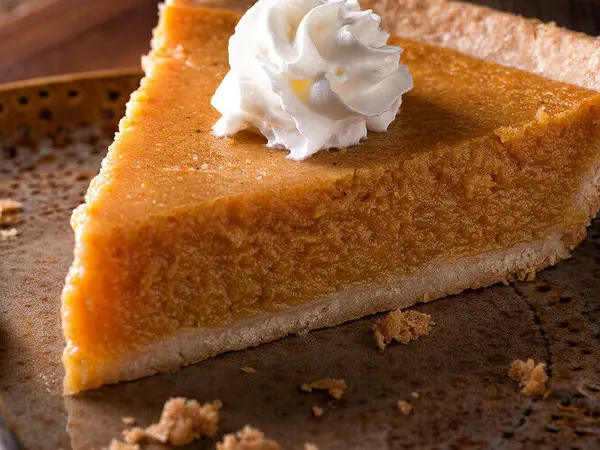
dollop
[dol-uhp]
to dispense in dollops

belong
[bih-lawng]
to be a member or part of something

licit
[lis-it]
legal; lawful; legitimate; permissible

beseech
[bih-seech]
to beg eagerly for; solicit

insipid
[in-sip-id]
without distinctive, interesting, or stimulating qualities; vapid

apparent
[app-ar-ent]
clearly visible or understood; seeming to be true, even if not confirmed.

drowse
[drouz]
to be dull or sluggish

passion
[p-aszhun]
intense emotion, enthusiasm, or desire, often for something or someone.

rejuvenate
[rejuvenate]
to make young again; restore to youthful vigor, appearance, etc.

soliloquy
[suh-lil-uh-kwee]
an utterance or discourse by a person who is talking to himself or herself or is disregardful of or oblivious to any hearers present

languish
[lang-gwish]
to be or become weak or feeble; droop; fade

exert
[ex-ert-ert]
to put something into use

dilapidated
[dih-lap-i-dey-tid]
reduce to or fallen into partial ruin or decay, as from age, wear, or neglect

bonfire
[bon-fahy-er]
a large open-air fire, typically used for celebration

irk
[urk ]
to irritate, annoy, or exasperate