solder
verbDefinition
What Makes This Word Tick
Solder isn't just any word-it's a bit of a craftsman's secret code. It slips into conversations among those in the know and refers to a metal alloy used to bond other metals together at low temperatures. It's a word that has a touch of artistry and precision to it. When you hear it, you might think of skilled hands, delicate work, and the satisfying fizzle that happens when solder melts just right.
If Solder Were a Person…
Picture someone meticulous, patient, with an eye for detail. They'd walk into a room with a steady hand and an air of quiet confidence, like a seasoned jeweler or electronics wizard. A solder person might wear bifocals and have a pencil tucked behind one ear, ever-ready to craft something brilliant or fix what's broken.
How This Word Has Changed Over Time
The essence of soldering hasn't changed significantly over the years, but the materials certainly have. Once leaning heavily on lead, modern concerns about health and the environment have ushered in lead-free alternatives. Today, solder runs in circles that marry tradition with innovation-think electronics manufacturing and plumbing.
Old Sayings and Proverbs That Use Solder
While solder doesn't exactly headline any old proverbs, it evokes the sentiment of "a stitch in time saves nine." It's all about maintenance, making things last longer, and resisting the pull of entropy. Fix now to prevent bigger troubles later-solderers know this truth well.
Surprising Facts About Solder
Soldering has been around since the Bronze Age! That's right, our ancestors were already bonding metals together over 5,000 years ago. It's surprising, too, how critical soldering is in electronics-your smartphone likely wouldn't function without it. Solder is truly the quiet hero of the gadget world.
Out and About With This Word
Solder makes its home in workshops, garages, and classrooms. It's a staple in vocational schools and technology camps, teaching future makers and hackers. Visit your local hardware store, and it might just be nestled comfortably near the flux and pliers, waiting for its moment to shine.
Pop Culture Moments Where Solder Was Used
Solder might not be a glamour word in movies or TV, but it's certainly a behind-the-scenes star in any scene where electronics or repairs come into play. Think of DIY shows or tech-savvy characters, often seen tinkering with gadgets and gizmos, bonding pieces together with a trusty soldering iron.
The Word in Literature
Solder might not headline novels, but its spirit finds its way into stories of invention, creation, and problem-solving. In tales where characters fix devices or craft clever homespun solutions, solder is implied, bonding metal, storylines, and hearts in subtle subtext.
Moments in History with Solder
The industrial revolution was a pivotal time for solder. Factories and inventors alike relied on soldering to create the machinery that powered progress. During the space race, solder was crucial in the delicate art of assembling spacecraft-proof that sometimes what's unseen is just as critical as what's visible.
This Word Around the World
Solder might look different internationally, with variations in composition and technique. In Japan, historically known for precision, soldering is a craft akin to art. Meanwhile, many European regions were at the forefront of developing lead-free variations, leading the charge for safer manufacturing practices.
Where Does It Come From?
Solder finds its linguistic roots in Middle English "soudur," derived from the Old French word of the same spelling, which in turn came from the Latin "solidare," meaning "to make solid." The word has been as dependable as its function, maintaining its core meaning throughout history.
How People Misuse This Word
Misunderstanding solder often lies in pronunciation-some might overemphasize the 'L,' but it really sounds more like "sodder." Occasionally, people confuse soldering with welding, but they're different processes: soldering uses lower temperatures and softer materials.
Words It's Often Confused With
- Weld: Involves melting the base materials, not just the filler, and usually requires higher temperatures.
- Brazing: Similar to soldering but generally performed at higher temperatures.
- Glue: Used colloquially as a metaphor for fixing but lacks the specificity of metal bonding.
Additional Synonyms and Antonyms
Synonyms might include "join," "bond," or "fuse," though each has its nuances. There aren't any perfect antonyms, but you could consider "separate" or "disconnect" as conceptual opposites.
Want to Try It Out in a Sentence?
Sure, here's a classic: "After countless attempts, she finally managed to solder the delicate circuit board, bringing the old radio back to life."
Explore more words
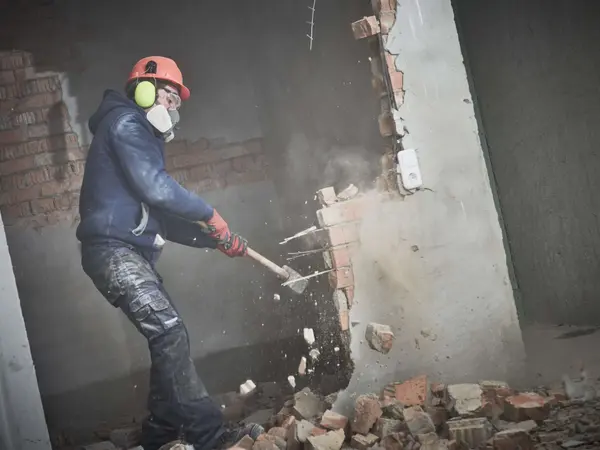
obliterate
[uh-blit-uh-reyt]
to remove or destroy all traces of; do away with; destroy completely
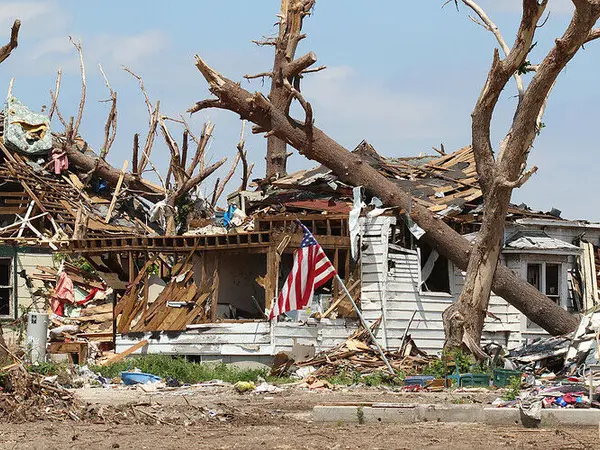
abject
[ab-jekt]
(of something bad) experienced or present to the maximum degree

stalactite
[stuh-lak-tahyt]
a deposit, usually of calcium carbonate, shaped like an icicle, hanging from the roof of a cave or the like, and formed by the dripping of percolating calcareous water
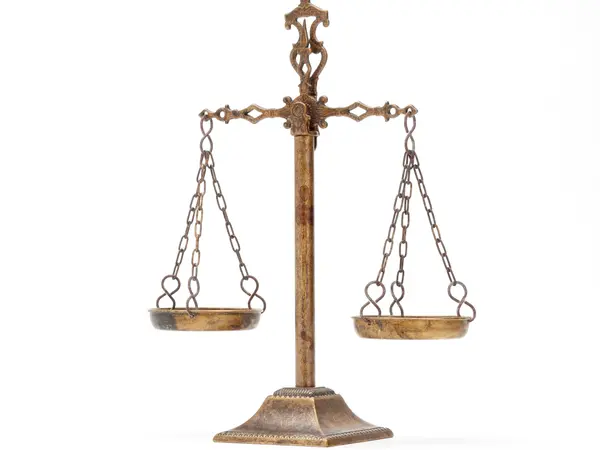
tantamount
[tan-tuh-mount]
equivalent, as in value, force, effect, or signification
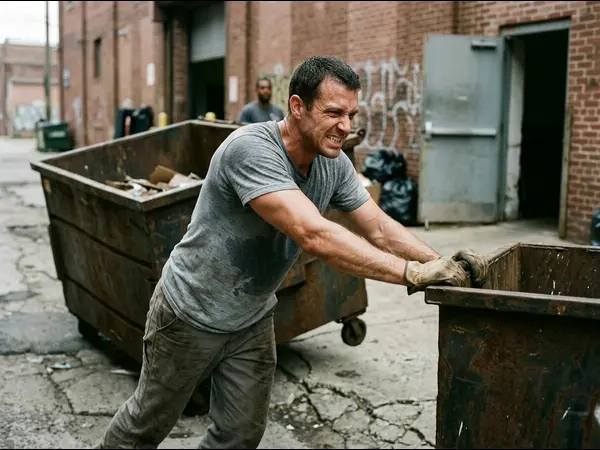
exert
[ex-ert-ert]
to put something into use

pontificate
[pon-tif-i-keyt]
express one's opinions in a way considered annoyingly pompous and dogmatic
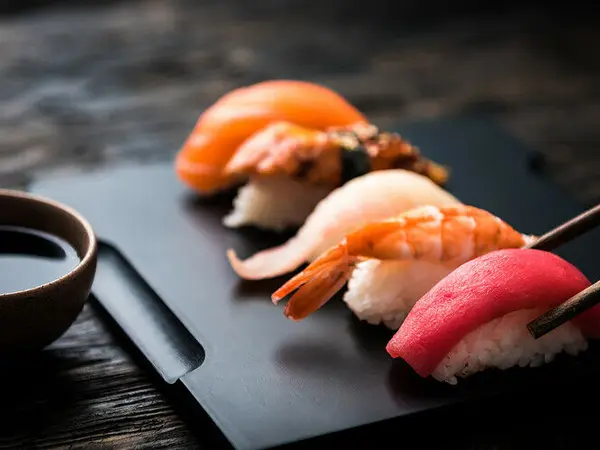
umami
[oo-mah-mee]
a strong meaty taste imparted by glutamate and certain other amino acids: often considered to be one of the basic taste sensations along with sweet, sour, bitter, and salty

rejuvenate
[rejuvenate]
to make young again; restore to youthful vigor, appearance, etc.
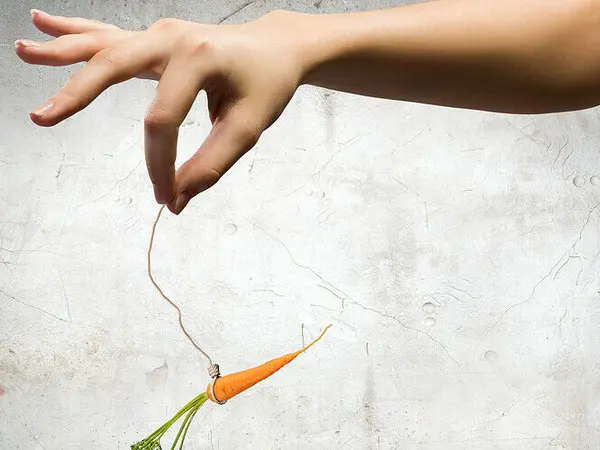
beguile
[bih-gahyl]
charm or enchant (someone), sometimes in a deceptive way

acerbic
[uh-sur-bik ]
sour or astringent in taste

pellucid
[puh-loo-sid]
allowing the maximum passage of light, as glass; translucent; clear

bauble
[baw-buhl]
a showy, usually cheap, ornament; trinket; gewgaw
dejected
[dih-jek-ted]
sad or dispirited; low in spirits
posthumous
[pos-chuh-muhs]
arising, occurring, or continuing after one’s death
dichotomy
[dahy-kot-uh-mee]
a division or contrast between two things that are or are represented as being opposed or entirely different

protruding
[proh-troo-ding]
sticking out or extending beyond a surface