antisocial
nounDefinition
What Makes This Word Tick
Antisocial points to someone who avoids social interaction or acts in ways that disrupt or damage the social fabric. It often carries a sharper edge than “reserved,” suggesting more than just quietness. In everyday use, context matters: it can describe solitude-seeking behavior, or behavior that clashes with what a community expects.
If Antisocial Were a Person…
Antisocial would be the person who keeps the door closed and the volume low, not out of mystery, but out of preference. They’d skip the group chat, decline the invite, and feel relieved, not guilty. When the word leans toward “harmful to society,” this person also ignores shared rules and shrugs at the consequences.
How This Word Has Changed Over Time
Over time, antisocial has become a catch-all label in casual speech, sometimes used for anyone who simply enjoys being alone. That loose use can blur the stronger sense that points to behavior that actively undermines social norms or harms others. Good writing makes the intended meaning clear through surrounding details.
Old Sayings and Proverbs
You won’t often see antisocial sitting inside traditional proverb-style lines, but the idea shows up in old advice about keeping company and respecting shared rules. Many cultures warn that cutting yourself off can shrink your world. They also caution that ignoring community standards can come back around in consequences.
Surprising Facts
Antisocial is frequently confused with “asocial,” which more narrowly suggests avoiding others without the “harmful to society” edge. In descriptions, it can refer to patterns (a habit of withdrawing) or acts (choices that violate shared expectations). The tone often depends on whether the speaker is judging behavior or simply describing it.
Out and About With This Word
You’ll see antisocial in conversations about behavior, relationships, and group dynamics, especially when someone is explaining distance or friction. It also appears in writing that contrasts individual preference with community life—classrooms, workplaces, neighborhoods, and teams. The word tends to show up when people are trying to label a pattern, not a single isolated moment.
Pop Culture Moments Where Antisocial Was Used
In pop culture, the antisocial idea often shows up in characters who avoid crowds, distrust groups, or reject the usual social scripts. Sometimes it’s framed as a misunderstood need for space, and other times as a warning sign of behavior that hurts others. Stories often use that tension to explore where solitude ends and disregard begins.
The Word in Literature
In literary writing, antisocial is useful for quick characterization: it can sketch a person as distant, closed off, or at odds with their surroundings. It can also sharpen conflict by hinting that a character doesn’t play by shared rules. Writers often pair it with concrete actions—missed gatherings, broken norms, strained bonds—so the label feels earned.
Moments in History with Antisocial
Throughout history, the antisocial concept appears whenever communities have tried to define acceptable behavior and respond to people who refuse it. It fits stories about social breakdown, rule-breaking, and the friction between individuals and group expectations. It also shows up in quieter narratives about isolation and withdrawal, especially when disconnection affects others.
This Word Around the World
Across languages, the idea behind antisocial is usually expressed through words that point to social withdrawal, lack of community engagement, or behavior that violates shared norms. Expression can vary depending on whether a culture emphasizes harmony, independence, or duty. The key thread is the same: distance from social life, sometimes with a negative impact on others.
Where Does It Come From?
The inventory traces antisocial to Greek roots and frames it as built from classical elements. Even without digging into every historical step, the construction signals its meaning plainly: it’s about being positioned against social life or the social order.
How People Misuse This Word
A common misuse is calling someone antisocial when they’re simply shy, tired, or introverted—none of which automatically implies harm or hostility. Another slip is using it as a permanent identity label, when it may describe a temporary phase or a specific context. If you mean “likes alone time,” clearer words usually land better.
Words It’s Often Confused With
Introverted is about where someone recharges, not whether they reject society. Asocial often suggests non-social or indifferent to social interaction without the “harmful” implication. Antagonistic focuses on active opposition or conflict, while antisocial can be withdrawal or norm-breaking depending on context.
Additional Synonyms and Antonyms
Additional Synonyms: unsociable, withdrawn, reclusive, solitary Additional Antonyms: outgoing, companionable, convivial
Want to Try It Out in a Sentence?
"He was described as antisocial, preferring to spend his time alone rather than in groups."
Explore more words

schmooze
[shmooz]
to chat idly; gossip

obliterate
[uh-blit-uh-reyt]
to blot out or render undecipherable (writing, marks, etc.); efface

cacophony
[kuh-kof-uh-nee]
a harsh discordant mixture of sounds

forage
[fawr-ij]
to wander or go in search of provisions

chasten
[chey-suhn]
to inflict suffering upon for purposes of moral improvement; chastise

burble
[bur-buhl]
to speak in an excited manner; babble.

bedevil
[bih-dev-uhl]
to cause great trouble or torment
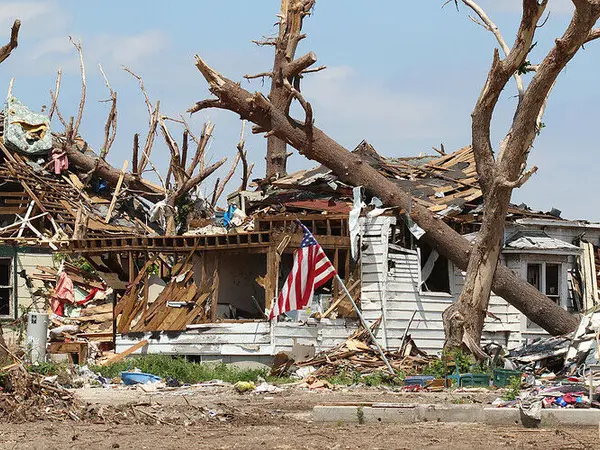
abject
[ab-jekt]
(of something bad) experienced or present to the maximum degree

transpire
[tran-spahyuhr]
to occur, happen; take place

deign
[deyn]
to think it appropriate to or in accordance with one's dignity; condescend

euphoric
[yoo-fawr-ik]
intensely happy or confident

pants
[pants]
a garment covering the legs, typically worn from the waist

enjoy
[en-joi]
to take pleasure in or derive benefit from something

crestfallen
[krest-faw-luhn]
dejected; dispirited; discouraged

crime
[krahym]
an illegal act for which someone can be punished by the government
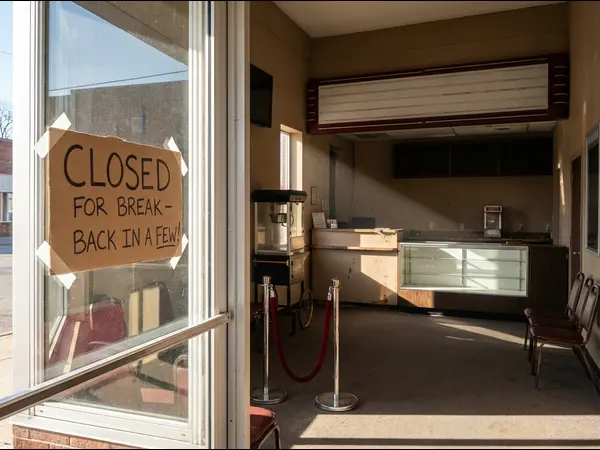
hiatus
[hi-atu-tus]
a break or gap in duration or continuity