pants
nounDefinition
What Makes This Word Tick
Pants refers to a leg-covering garment worn from the waist, a practical staple in many wardrobes. The word is everyday and direct, pointing to function more than fashion—though context can add style. Compared with trousers, pants often feels more casual and conversational.
If Pants Were a Person…
Pants would be the reliable friend who’s ready for errands, work, or a hike without needing much fuss. They value comfort and coverage, and they don’t mind getting a little dusty. Being around them feels practical: you can move, sit, and go places.
How This Word Has Changed Over Time
Pants has kept its core meaning as leg-covering clothing worn from the waist, even as styles and materials have shifted. The word remains common because it’s simple, flexible, and widely understood.
Old Sayings and Proverbs
A proverb-style idea that fits pants is that what you wear should suit what you need to do—clothes that let you move tend to win out. This reflects the definition because pants are built for coverage and mobility.
Surprising Facts
Because pants is such a basic wardrobe word, it often carries hidden context—casual pants, work pants, dress pants—without changing the core meaning. The term can also make writing feel grounded in everyday life, since clothing is an immediate, visual detail. Even a single mention can hint at setting, activity, or attitude.
Out and About With This Word
You’ll see pants in shopping, travel, uniforms, and daily-life descriptions—anywhere leg-covering clothing is relevant. The word fits best when you mean the garment itself, not a specific style label, since it can cover many varieties.
Pop Culture Moments Where Pants Was Used
In pop culture, pants often become shorthand for readiness or normalcy—characters pulling on pants to face the day, or the wrong pants signaling a mismatch with the moment. That reflects the definition because the garment is both practical and instantly recognizable. The word can quietly set tone: casual, formal, or functional.
The Word in Literature
In literary writing, pants can serve as a quick, concrete detail that anchors a character in everyday reality. Writers use clothing terms like this to show class, mood, or activity without explaining it outright. For readers, pants is an easy visual cue that can suggest readiness, comfort, or practicality.
Moments in History with Pants
The concept of pants fits historical contexts where clothing signals function—work, travel, and roles that require movement and durability. This matches the definition because pants are fundamentally about leg coverage from the waist down. The word connects naturally to practical life: what people wear to do things.
This Word Around the World
Many languages have direct everyday terms for this garment, often distinct from more formal “trousers” wording, depending on region and register. The shared concept is consistent: waist-worn leg covering clothing.
Where Does It Come From?
Pants is a shortened form of pantaloons, tied to the Italian name Pantaleone from commedia dell’arte. The origin highlights how a longer clothing term narrowed into a short, everyday label for the garment.
How People Misuse This Word
Pants is sometimes used when someone means any clothing item in an outfit, but it specifically refers to a leg-covering garment worn from the waist. If you mean the whole outfit, clothes or outfit is clearer.
Words It’s Often Confused With
Pants is often confused with trousers, but trousers can feel more formal in some contexts while pants is more everyday. It can also be mixed up with leggings, which are typically tighter-fitting and a specific style rather than the broader category.
Additional Synonyms and Antonyms
Additional Synonyms: dress pants, work pants, chinos Additional Antonyms: dress, robe, tunic
Want to Try It Out in a Sentence?
"He wore comfortable pants for the long flight."
Explore more words
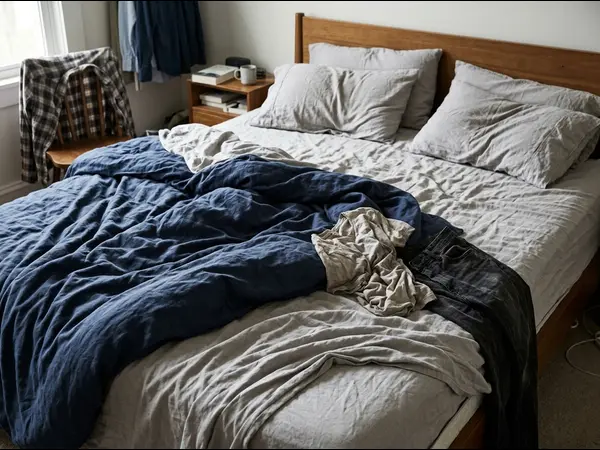
rumpled
[rump-uld]
creased or messy in appearance

graduate
[graj-oo-it]
one that has received an academic degree, a diploma, or a certificate.

undulate
[uhn-juh-leyt]
to move with a sinuous or wavelike motion; display a smooth rising-and-falling or side-to-side alternation of movement

allege
[uh-lej]
to declare with positiveness; affirm; assert

tenuous
[ten-yoo-uhs]
lacking a sound basis, as reasoning; unsubstantiated; weak
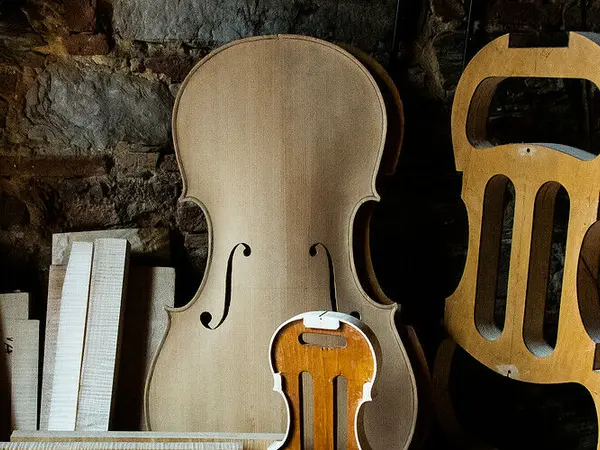
crwth
[krooth]
ancient Celtic instrument that is similar to a violin

sienna
[see-en-uh]
the color of such a pigment

manhood
[man-hood]
the status of being a man.

punctilious
[puhngk-til-ee-uhs]
extremely attentive to punctilios; strict or exact in the observance of the formalities or amenities of conduct or actions; showing great attention to detail or correct behavior

quip
[kwip]
a sharp, sarcastic remark; a cutting jest

quixotic
[kwik-sot-ik]
extravagantly chivalrous or romantic; visionary, impractical, or impracticable
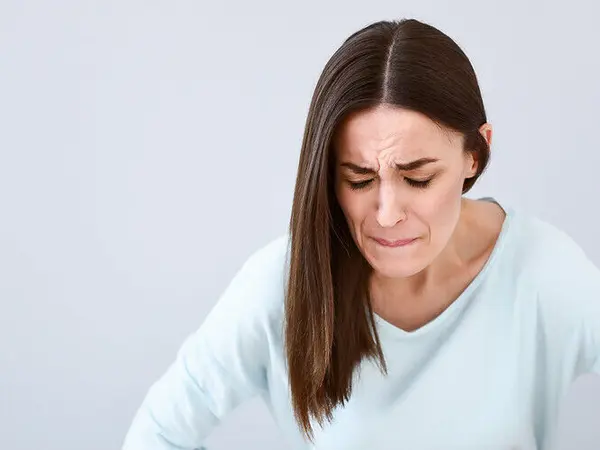
writhe
[rahyth]
to twist or contort the body in pain or discomfort
policy
[pol-uh-see]
a course of action adopted or proposed by an organization or government; a set of principles or rules.
pontificate
[pon-tif-i-keyt]
express one's opinions in a way considered annoyingly pompous and dogmatic

tisane
[ti-zan]
aromatic or herb-flavored tea

crapulous
[krap-yuh-luhs]
given to or characterized by gross excess in drinking or eating