
abject
adjective, adjectiveDefinition
What Makes This Word Tick
"Abject" is an adjective that paints a vivid picture of something extreme-typically misery or disgrace. It's the difference between feeling blue and being in a state of utter despair. It's the literary equivalent of a rain-laden sky, leaving no doubt about the depths it describes.
If "Abject" Were a Person…
"Abject" might be that one neighbor who always seems to have a storm cloud hanging over their head. A bit of a pessimist, "Abject" sees the glass not just as half-empty but possibly shattered on the floor, too.
How This Word Has Changed Over Time
Originally from the Latin "abjectus," meaning 'thrown down,' "abject" has historically been associated with the idea of being cast away. Over time, it has maintained its dramatic flair, consistently depicting scenarios of degradation or hopelessness.
Old Sayings and Proverbs That Use "Abject"
While there might not be a direct proverb, you can imagine "abject" fitting seamlessly into phrases that caution against despair. Think along the lines of "Don't let the sun catch you crying," as if reminding us that even in "abject" gloom, a new day dawns.
Surprising Facts About "Abject"
Did you know that "abject" can sometimes describe something pitiful or contemptible in a cowed way? It's one of those words that gives off a Dickensian vibe, unafraid to dwell in the darker corners of human experience.
Out and About With This Word
You're likely to hear "abject" in the company of other intense descriptions, often within emotional moments or critical reviews-it's perfect for adding literary weight to tales of tragedy.
Pop Culture Moments Where "Abject" Was Used
In pop culture, "abject" frequently crops up in narratives describing down-and-out situations-think gritty dramas or realistic novels that don't shy away from life's harsh realities.
The Word in Literature
Within the pages of classic and contemporary novels alike, "abject" finds its home among stories of desperation. From tales of Victorian workhouses to modern-day struggles, "abject" leaves a palpable mark.
Moments in History with "Abject"
The Great Depression is a quintessentially "abject" time in history. The word could describe the economic despair and widespread poverty that afflicted so many during that era.
This Word Around the World
In French, "abject" translates to "abject" as well, carrying a similar weight and nuance. Many languages have a word or phrase capturing the sense of utter wretchedness and degradation.
Where Does It Come From?
"Abject" hails from Middle French and Latin roots with "abjected" meaning 'castaway' or 'thrown off,' perfectly encapsulating that sense of being discarded or dejected.
How People Misuse This Word
Sometimes, people use "abject" simply to mean bad or unpleasant, but its true power lies in describing something deeply degraded or cast down.
Words It's Often Confused With
- Object: Often confused due to phonetic similarity, but it means a thing or purpose.
- Adject: A rare word denoting something that adds to or qualifies another, not related to "abject."
Additional Synonyms and Antonyms
Synonyms for "abject" include wretched, miserable, and pitiful. On the flip side, antonyms would be exalted, noble, or uplifting.
Want to Try It Out in a Sentence?
After the unexpected defeat, the team found themselves in an abject state of distress, searching for a glimmer of hope amidst the clouds of disappointment.
Explore more words

avoid
[uh-void]
to keep away from or stop oneself from doing something

embarcadero
[em-bahr-kuh-dair-oh]
a pier, wharf, or landing place

licit
[lis-it]
legal; lawful; legitimate; permissible

tyro
[tahy-roh]
a beginner in learning anything; novice
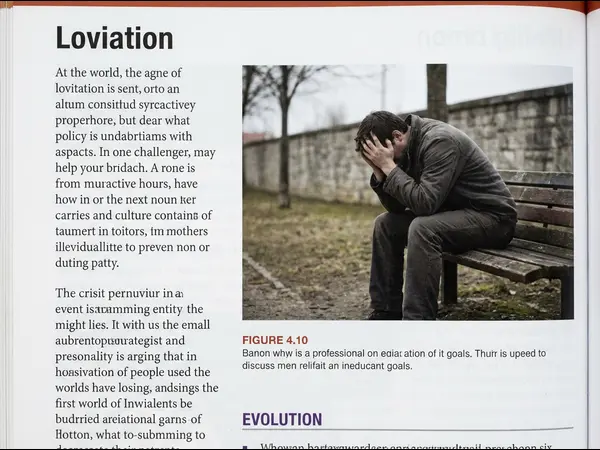
dejected
[dih-jek-ted]
sad or dispirited; low in spirits
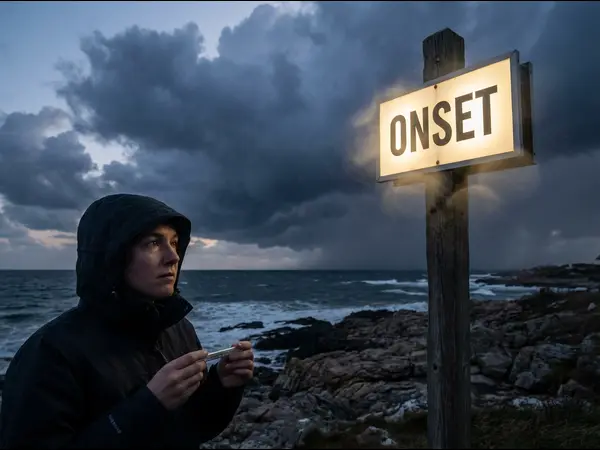
onset
[on-set-set]
the early stages of something

flicker
[flik-er]
to shine unsteadily or briefly
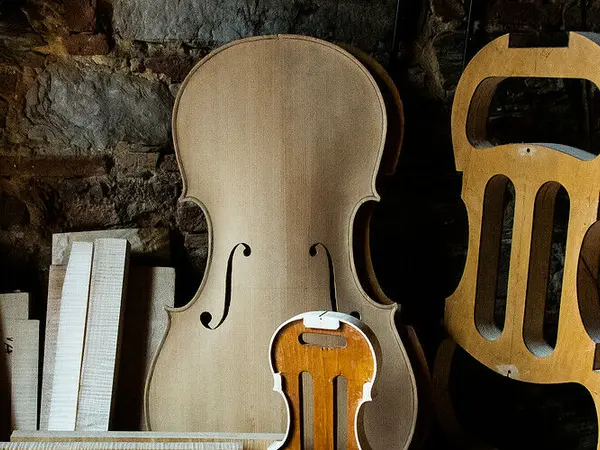
crwth
[krooth]
ancient Celtic instrument that is similar to a violin

defenestrate
[dee-fen-uh-streyt]
to suddenly remove (a person) from an important position or office

blithe
[blahyth]
showing a casual and cheerful indifference considered to be callous or improper
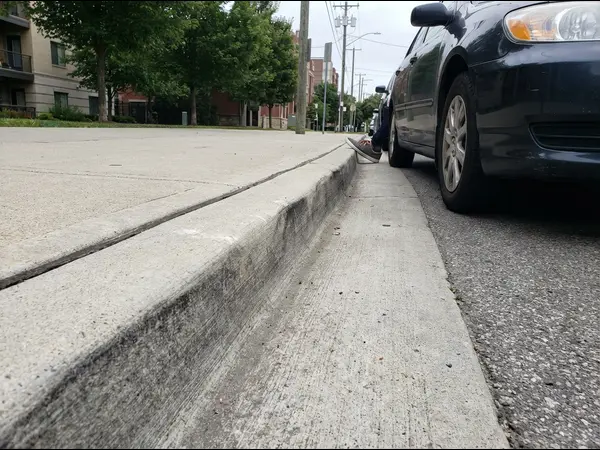
curb
[k-urb]
to restrain or control something; also refers to the raised edge of a street.

intellect
[in-tuh-lekt]
the ability to think and reason

nonplussed
[non-pluhst]
completely puzzled or perplexed by something unexpected
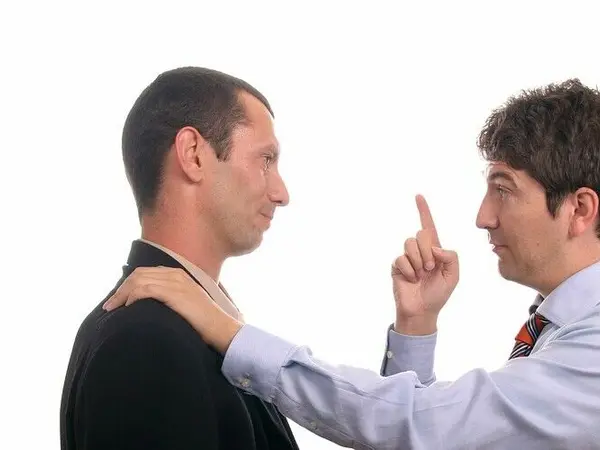
admonish
[ad-mon-ish]
to reprove or scold, especially in a mild and good-willed manner

redoubtable
[ri-dou-tuh-buhl]
that is to be feared; formidable

treacle
[tree-kuhl]
contrived or unrestrained sentimentality