obliterate
verb, verbDefinition
What Makes This Word Tick
"Obliterate" is quite the powerhouse of a word. It suggests not just removal, but complete and utter destruction, as if something never existed in the first place. Whether it's used to describe eradicating an enemy during a game of Scrabble or wiping away any trace of embarrassment from a public mishap, it packs a dramatic punch.
If Obliterate Were a Person…
If obliterate were a person, it would be that overly eager friend who joins you for DIY projects and suddenly decides the whole thing needs a sledgehammer. This person doesn't just clean out the garage-they knock down walls and create a window to see the sky, proclaiming, “Now that's how you do it!
How This Word Has Changed Over Time
Originally from the Latin "obliterare," this word has stayed quite true to its roots in meaning to erase or cause to disappear. However, in modern times, it's taken on a more forceful connotation, often tied to metaphorical or literal destruction, rather than mere disappearance.
Old Sayings and Proverbs That Use Obliterate
While obliterate may not appear in timeworn sayings, many proverbs echo its spirit of complete removal or eradication. Think of the old adage, "Out of sight, out of mind," which embodies the essence of making something disappear entirely.
Surprising Facts About Obliterate
Did you know that "obliterate" was once a printing term? Before it took on its current destructive flair, it was commonly used in the typesetting world to mean blurring or rubbing out a letter from the page. Talk about erasing from history!
Out and About With This Word
You may find "obliterate" being bandied about in a wide range of settings-from competitive sports commentaries, where a team obliterates the competition, to tech discussions about obliterating bugs in software. It's as adaptable as it is dramatic.
Pop Culture Moments Where Obliterate Was Used
In action movies and blockbuster franchises, obliteration is a go-to term. Think of superhero films where villains threaten to obliterate entire cities, adding an extra level of thrill and urgency to the plot.
The Word in Literature
Famous authors use "obliterate" to describe more than physical destruction. In literature, it often illustrates emotional annihilation or the erasure of memories and histories, offering richness to narratives that delve into loss and renewal.
Moments in History with Obliterate
The historical devastations of the World Wars are aptly described by 'obliterate,' capturing the sense of towns and cultures erased from the map. Interestingly, it also captures the essence of the determination to rebuild, surfacing resilience from ruins.
This Word Around the World
In French, you might hear the word "effacer" capturing a similar charm, while in Spanish, "borrar" might be the term of choice. Each translation carries a nuanced sense of erasure or destruction tailored to cultural contexts.
Where Does It Come From?
"Obliterate" derives from the Latin "obliterare," which means to cause to disappear. It combines "ob-" meaning against or opposite, and "littera," referring to letters or script, tying back to its textual roots.
How People Misuse This Word
People sometimes use "obliterate" to mean simple deletion or forgetting, but it typically implies a more comprehensive and absolute annihilation, not just a pressing of the delete key.
Words It's Often Confused With
- Annihilate: Suggests total destruction but is often used in a more physical or military context.
- Erase: Tends to imply removal of marks or memories, typically less intense.
- Destroy: A more general term for ruin or damage without the complete finality of obliteration.
Additional Synonyms and Antonyms
Synonyms for obliterate include annihilate, decimate, and demolish. Antonyms would be create, build, or construct-words that embody the opposite action of obliteration.
Want to Try It Out in a Sentence?
After the tidal wave hit, the once-bustling beachfront town was all but obliterated, leaving only echoes of its previous existence.
Explore more words
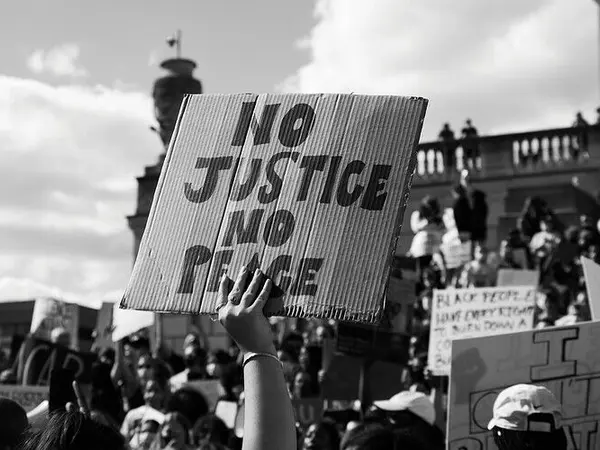
inveigh
[in-vey]
to protest or complain bitterly or vehemently
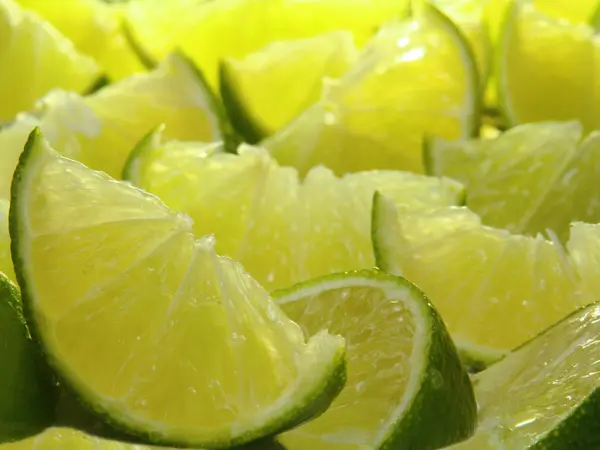
acerbic
[uh-sur-bik ]
sour or astringent in taste

funambulist
[fyoo-nam-byuh-list]
a tightrope walker

skittish
[skit-ish]
restlessly or excessively lively

bedevil
[bih-dev-uhl]
to cause great trouble or torment

grisly
[griz-lee]
formidable; grim

mercurial
[mer-kyoor-ee-uhl]
changeable; volatile; fickle; flighty; erratic

cynosure
[sahy-nuh-shoor]
something that strongly attracts attention by its brilliance, interest, etc.

commemorate
[kuh-mem-uh-reyt]
to serve as a memorial or reminder of

mosaic
[moh-zey-ik]
a picture or decoration made of small, usually colored pieces of inlaid stone, glass, etc.

disrespectful
[dis-ri-spekt-fuhl]
showing a lack of respect

quell
[kwel]
to suppress; put an end to; extinguish

affluent
[af-loo-uhnt]
having an abundance of wealth, property, or other material goods; prosperous; rich

charlatan
[shahr-luh-tn]
a person who pretends or claims to have more knowledge or skill than he or she possesses; quack
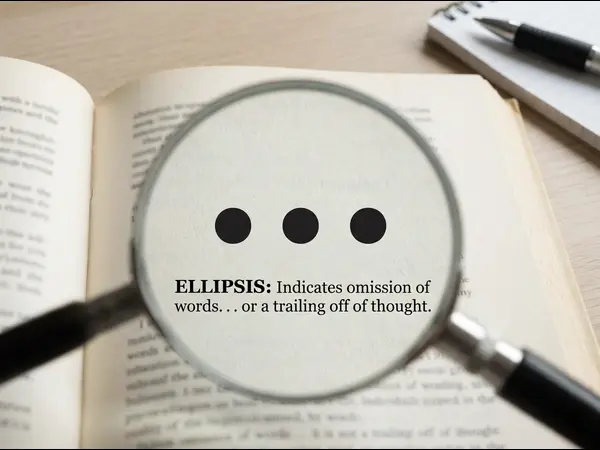
ellipsis
[ih-lip-sis]
omission of one or more words that are obviously understood but must be supplied to make a construction grammatically complete.

diegetic
[dahy-uh-jet-ik]
(of sound in a movie, television program, etc.) occurring within the context of the story and able to be heard by the characters