
insipid
adjectiveDefinition
What Makes This Word Tick
"Insipid" is a word that waves the flag of blandness and dullness. It's like that cup of coffee you forgot about, now cold and flavorless, or a movie that leaves you checking the time every five minutes. Used to describe things lacking in taste or excitement, it gives a gentle nudge to find spice and vibrancy in our lives.
If Insipid Were a Person…
Imagine a person who brings boiled vegetables to a potluck, wears beige on beige, and blends into the wallpaper at social gatherings. They never cause a scene-nor do they bring much to it. This character might be the one who reads the phone book front to back just for kicks-quietly, colorlessly present.
How This Word Has Changed Over Time
The word "insipid" originally derived from the Latin "insipidus," meaning "without taste or savor." Over time, its usage broadened to include anything lacking in qualities that engage or stimulate. From flat beverages to drab conversations, its reach is vast, lingering like a shadow in the background of our lexicon.
Old Sayings and Proverbs That Use Insipid
Though insipid doesn't feature in many classic proverbs, you might conjure up phrases like "as bland as boiled chicken" or something equally lacking in zest. It's that universal experience of encountering lifelessness without needing a direct proverb to highlight it.
Surprising Facts About Insipid
Interestingly, insipid can apply to both taste and experiences. It bridges the culinary and the cultural, reminding us that zest isn't just for the kitchen; it's for life, too. This little word packs a punch against monotony wherever it finds it.
Out and About With This Word
You might run into "insipid" at a dull dinner party or in a flat romance novel. It's the uninvited guest at vibrant soirées and the lurking specter in thrillers that fail to thrill. Anywhere there's a lack of luster, you'll find insipid quietly nodding along.
Pop Culture Moments Where Insipid Was Used
In many a critical review, insipid might pop up to describe a blockbuster that flopped. Imagine the film adapted from a thrilling novel but lacking any of the book's spark. It's a familiar refrain in cultural commentary: something had potential but didn't deliver.
The Word in Literature
Insipid is a favorite of literary critics who have run into one-too-many tedious tomes. It might slip between the pages of a tepid romance or an underwhelming mystery novel. Great works, however, rarely elicit the need for such a word, unless they're intentionally illustrating the mundane.
Moments in History with Insipid
Imagine the stony faces of history's spectators during exceptionally dull speeches. Insipid might have been the silent critique of political oratory that failed to rouse or rallies that fizzled out like soggy fireworks.
This Word Around the World
The idea of insipidity transcends language. In France, you might hear "fade" for similar situations. Yet, the sense of boredom and lackluster expressions finds a friend in languages worldwide, proving this experience truly universal.
Where Does It Come From?
Originating from the Latin “insipidus,” the word combines “in-” (not) with “sapidus” (savory). It's been around since the 17th century, leading a quiet revolution in the English language, faithfully reporting blandness where it finds it.
How People Misuse This Word
Sometimes folks will sling "insipid" at anything they simply don't like, confusing lack of engagement with mere preference. True insipidity is about deficiency in excitement, not just dislike.
Words It's Often Confused With
- Banal: Often used interchangeably but banal refers more to commonness than lack of flavor.
- Bland: This word is often about mildness, especially in flavors, while insipid can encompass more than just taste.
- Tedious: While tedious relates to time and effort, insipid refers to a lack of stimulation or zest.
Additional Synonyms and Antonyms
Synonyms include dull, lifeless, and flavorless. As for antonyms, vibrant, zesty, and stimulating come to mind, offering the zest and engagement absent in the insipid.
Want to Try It Out in a Sentence?
That stew was as insipid as the weather, leaving us yearning for a dash of spice, in flavor and in life.
Explore more words

hodgepodge
[hoj-poj]
a heterogeneous mixture; jumble

bonfire
[bon-fahy-er]
a large open-air fire, typically used for celebration

daily
[d-aily]
occurring every day or on a routine basis.

apparel
[uh-par-uhl]
clothing or garments

flatten
[fl-att-en]
to make something level, smooth, or less prominent.

pusillanimous
[pyoo-suh-lan-uh-muhs]
lacking courage or resolution; cowardly; faint-hearted; timid
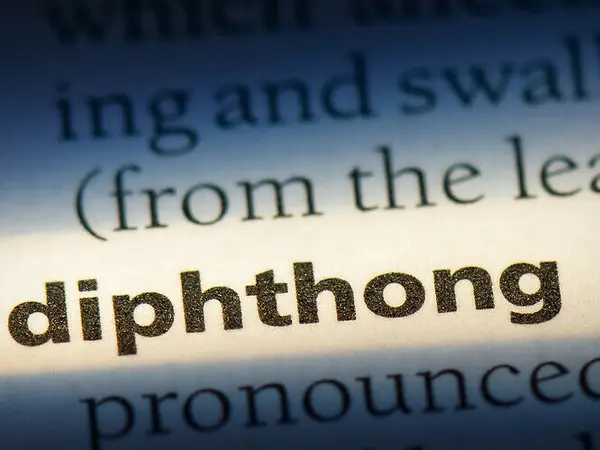
diphthong
[dif-thawng]
a sound formed by the combination of two vowels in a single syllable, in which the sound begins as one vowel and moves toward another (as in coin, loud, and side)

innate
[ih-neyt]
existing in one from birth; inborn; native

spawned
[spawnd]
brought forth ; generated, produced.

inspirit
[in-spir-it]
to infuse spirit or life into; enliven

propitiate
[pruh-pish-ee-eyt]
to make favorably inclined; appease; conciliate
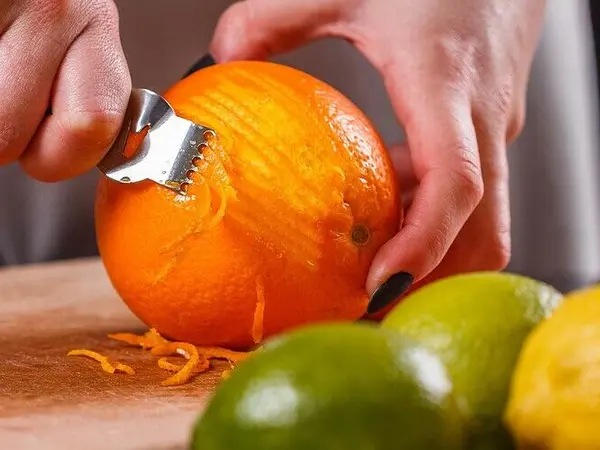
zest
[zest]
the outer, colorful part of the peel of citrus fruit, like lemon or orange, used as a flavoring agent

downtime
[doun-tahym]
a period when something is not operational or active
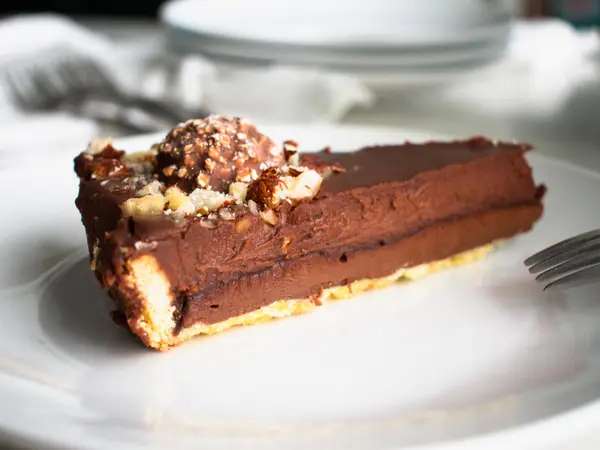
delectable
[dih-lek-tuh-buhl]
delicious

unprecedented
[un-pre-ted]
entirely new

echo
[ech-o]
a sound or event that repeats or imitates another, often heard after a delay.