
echo
nounDefinition
What Makes This Word Tick
Echo refers to a sound that bounces back after a delay, repeating what was first heard. It can also describe events or ideas that mirror something earlier. Unlike simple repetition, an echo implies reflection or response rather than direct duplication.
If Echo Were a Person…
If this word were a person, they would not speak first but would reflect what others have said. Their presence would amplify and return ideas rather than originate them. They are shaped by what surrounds them.
How This Word Has Changed Over Time
Echo began as a term for reflected sound and gradually extended into metaphorical use. Today it applies to repeated themes, emotional reactions, or historical parallels. The core idea of reflection after delay remains central.
Old Sayings and Proverbs
Proverb-style wisdom often suggests that actions send out echoes that return in time. The image reinforces the idea that what is sent outward can come back.
Surprising Facts
Echo can function as both a literal acoustic term and a figurative description of influence. It is frequently used in writing to describe emotional or thematic resonance. The word bridges physical science and abstract expression.
Out and About With This Word
You will hear echo in discussions of sound, architecture, and outdoor spaces like canyons or halls. It also appears in commentary when events seem to mirror earlier moments. The term works best when highlighting reflection rather than originality.
Pop Culture Moments
In storytelling, echoes appear when scenes deliberately mirror earlier ones to create emotional impact. Repeated lines or returning motifs act as narrative echoes. This technique deepens meaning by linking past and present moments.
The Word in Literature
Writers use echo to suggest memory, consequence, or thematic repetition. It allows a single phrase or image to reverberate across a narrative. The word carries both auditory and symbolic weight.
Moments in History
Historical discussions often speak of echoes when one event resembles another across time. The term signals patterns or repeated outcomes. It emphasizes similarity shaped by reflection rather than coincidence.
This Word Around the World
Many languages include terms for reflected sound that extend metaphorically to repeated ideas. The concept of sound returning after striking a surface is universal. Figurative uses often follow the same pattern of reflection.
Where Does It Come From?
Echo traces back to Latin and Greek roots connected to sound and repetition. Its earliest use referred to reflected noise. Over time, the meaning expanded while retaining the core idea of return.
How People Misuse This Word
People sometimes use echo for any repetition, but it implies a reflected or delayed return. Direct copying without response is not quite an echo. The word suggests response shaped by the original.
Words It’s Often Confused With
Repeat suggests simple duplication without delay or reflection. Reiterate emphasizes restating for clarity. Resemble indicates similarity but not necessarily a returned form.
Additional Synonyms and Antonyms
Additional Synonyms: reverberation, reflection, resonance Additional Antonyms: originality, innovation, novelty
Want to Try It Out in a Sentence?
"Her voice created an echo as she called out into the empty canyon."
Explore more words

peacock
[pee-kok]
to make a vainglorious display; strut like a peacock
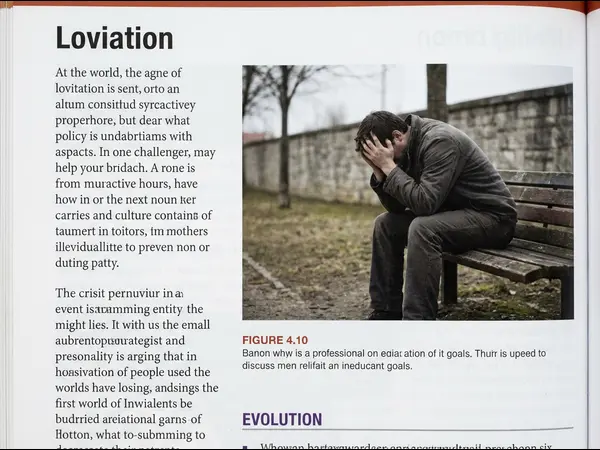
dejected
[dih-jek-ted]
sad or dispirited; low in spirits

malarkey
[muh-lahr-kee]
meaningless talk; nonsense

expectant
[ik-spek-tuhnt]
having expectations; expecting

onset
[on-set-set]
the early stages of something

case
[k-as-e]
a container or situation designed for a specific purpose; also refers to an instance or example.

guru
[goo-roo]
a spiritual teacher, especially one who imparts initiation.

blithe
[blahyth]
showing a casual and cheerful indifference considered to be callous or improper

repetition
[r-ep-et-ishun]
the act of doing, saying, or showing something again, often to emphasize or reinforce.

forage
[fawr-ij]
to search about; seek; rummage; hunt

suffuse
[suh-fyooz]
to overspread with or as with a liquid, color, etc.

brumal
[broo-muhl]
wintry

enunciate
[ih-nuhn-see-eyt]
to utter or pronounce (words, sentences, etc.), especially in an articulate or a particular manner

gustation
[guh-stey-shuhn]
the act of tasting

condign
[kuhn-dahyn]
well-deserved; fitting; adequate

schadenfreude
[shahd-n-froi-duh]
satisfaction or pleasure felt at someone else's misfortune