innate
adjective (1), adjective (2)Definition
What Makes This Word Tick
"Innate" is such a graceful little word, carrying a sense of naturalness and origin. It's like the essence of something that has always been there, inborn and unacquired. It's the sort of word that suggests things that belong to the very fabric of one's being.
If Innate Were a Person…
Imagine Innate as that wise old friend who seems to know things without having learned them. They're the one who mysteriously just "gets it" - be it playing an instrument, solving a riddle, or always knowing when you need a cup of tea.
How This Word Has Changed Over Time
The core meaning of "innate" has remained quite steadfast through the ages, holding onto the idea of natural characteristics. Though its usage has become more critical in scientific discussions about nature versus nurture, its essential charm remains.
Old Sayings and Proverbs That Use Innate
While "innate" itself isn't often found in traditional proverbs, the concept appears in sayings like "It's in the blood," suggesting inherent qualities that one is seemingly born with, handed down through generations.
Surprising Facts About Innate
Did you know that babies are often said to have innate abilities, such as the reflex to hold their breath underwater? It's fascinating how this word is frequently used when discussing those abilities that just appear without any guidance.
Out and About With This Word
"Innate" often pops up in psychology and genetics, areas where discussions about inherent traits and instincts are abundant. You might hear it in lectures, read about it in studies, or even during a debate on human behavior.
Pop Culture Moments Where Innate Was Used
"Innate" might not headline a movie title, but the concept often underpins plots about talent or destiny. Think of the many movies centered on characters discovering an inherent gift that changes their life!
The Word in Literature
"Innate" lends itself beautifully to literary discussions around character development. Authors like Jane Austen describe characters with innate grace or wisdom, attributes that guide their actions without overt explanation.
Moments in History with Innate
Reflect on Charles Darwin's work on natural selection. While "innate" may not have been explicitly stated, the idea of inherent traits aiding survival fits right into his theories on evolution.
This Word Around the World
In various languages, "innate" translates to words that convey "natural" or "from birth," highlighting how some concepts are universal. For instance, in Spanish, "innato" holds a similar meaning and is used in much the same contexts.
Where Does It Come From?
"Innate" traces back to the Latin "innatus," meaning "born in." This etymology underscores the idea of natural qualities present from the beginning, much like the blossoms waiting to spring forth from a well-rooted tree.
How People Misuse This Word
Sometimes, people confuse "innate" with learned skills, attributing something practiced over time to inborn talent. It's important to remember that "innate" covers traits present without external influence.
Words It's Often Confused With
- Inherent: Both refer to qualities that are natural, but "inherent" is more about being an essential part of something.
- Instinctive: While it suggests natural behavior, "instinctive" often implies a more reactive, subconscious action.
- Natural: A broader term, sometimes used interchangeably but doesn't always capture the inherent aspect.
Additional Synonyms and Antonyms
For synonyms, consider words like "genetic," "inherent," "natural," or "inborn." On the flip side, antonyms include "acquired," "learned," or "external."
Want to Try It Out in a Sentence?
Sure thing! "Her affinity for music seemed so innate, as if each note was simply an extension of her soul's language."
Explore more words

pragmatism
[prag-muh-tiz-uhm]
character or conduct that emphasizes practicality

unprecedented
[un-pre-ted]
entirely new

abrasive
[uh-brey-siv]
tending to annoy or cause ill will; overly aggressive

scurrilous
[skur-uh-luhs]
making or spreading scandalous claims about someone with the intention of damaging their reputation

lucubrate
[loo-kyoo-breyt]
to write learnedly
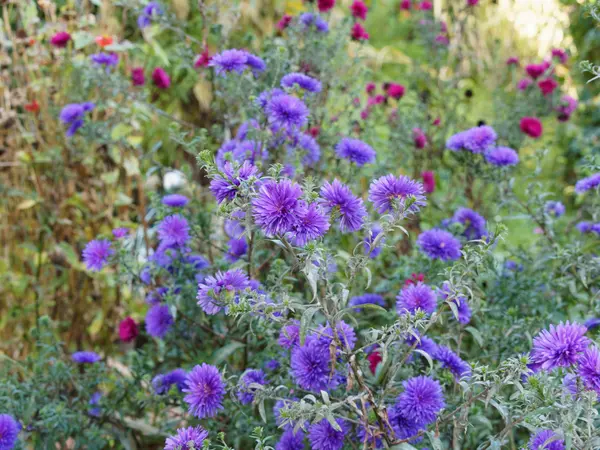
prolific
[pruh-lif-ik]
producing in large quantities or with great frequency; highly productive

diegetic
[dahy-uh-jet-ik]
(of sound in a movie, television program, etc.) occurring within the context of the story and able to be heard by the characters
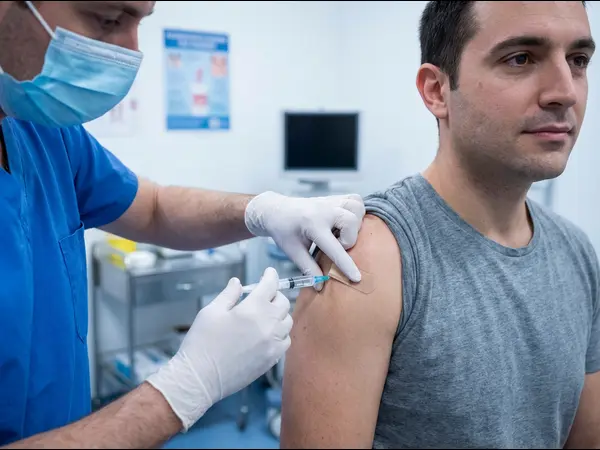
inject
[in-jekt]
to introduce a substance into something, typically a body or system

constituent
[co-nst-ent]
an essential part
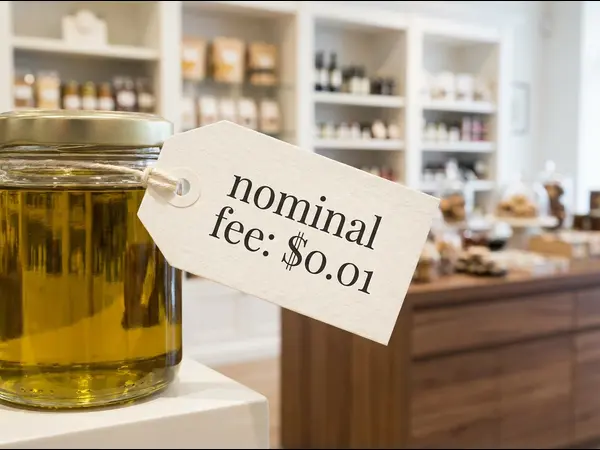
nominal
[no-min-nal]
trifling, insignificant

solder
[sod-er]
to join closely and intimately

noob
[noob]
a newbie, especially a person who is new to an online community and whose online participation and interactions display a lack of skill or knowledge

smorgasbord
[smawr-guhs-bawrd]
an extensive array or variety

relic
[rel-ik]
an object surviving from an earlier time, especially of historical interest

hinder
[hin-der]
to cause delay, interruption, or difficulty in; hamper; impede

portend
[pawr-tend]
to indicate in advance; to foreshadow or presage, as an omen does