
flatten
nounDefinition
What Makes This Word Tick
Flatten means to make something level, smooth, or less prominent. It suggests reducing height, curve, or intensity until the surface—or effect—feels more even. Compared with smooth, flatten often implies pressure or force used to remove bumps and rise.
If Flatten Were a Person…
Flatten would be the practical fixer who shows up with a firm hand and a plan to make things even. They don’t like bulges, spikes, or drama—everything gets pressed into order. Their style is calm, decisive leveling.
How This Word Has Changed Over Time
Flatten has remained closely tied to physical leveling—making a surface more even and less raised. Over time, it also gained broader uses for reducing intensity or prominence in nonphysical contexts. The central idea stays constant: less height, less bump, less standout.
Old Sayings and Proverbs
A proverb-style idea that fits flatten is that pressure can make rough things even. This matches the word because flattening often involves force that reduces bumps or raises.
Surprising Facts
Flatten can describe both the action and the effect: it’s about changing shape toward levelness. It can also be used metaphorically to describe reducing prominence or intensity, as long as the sense is “less raised” or “less standout.” The word naturally pairs with ideas of compression and smoothing.
Out and About With This Word
You’ll often see flatten in construction, landscaping, and practical instructions where a surface must be level before the next step. It also appears in everyday talk when something becomes less noticeable or less intense. The word fits whenever the end goal is evenness.
Pop Culture Moments Where Flatten Was Used
In pop culture, the idea behind flatten often shows up in comedic exaggeration—something or someone gets pressed down, reduced, or made suddenly less prominent. That reflects the definition because the action removes height or standout shape.
The Word in Literature
In literary writing, flatten is often used for tactile, physical description—pressure meeting resistance until a surface becomes even. Writers also use it metaphorically to suggest a loss of depth, texture, or prominence, creating a sense of diminished contour. The reader feels the change as something once raised becomes subdued.
Moments in History with Flatten
Throughout history, the concept of flattening appears in work that prepares ground and materials for building, travel, or stability. It fits because leveling surfaces is a common prerequisite for construction and practical infrastructure. The definition connects directly: making something smooth and less raised enables what comes next.
This Word Around the World
Across languages, this idea is usually expressed with verbs meaning “make level,” “press down,” or “smooth out,” and the exact choice depends on whether the emphasis is on compression or on leveling. Expression varies by context because flattening a surface and flattening an effect can call for different phrasing.
Where Does It Come From?
The inventory lists a Latin origin, but the provided etymology detail doesn’t clearly match the modern sense as stated here. Even so, the present meaning is consistent and concrete: to make something more level, smooth, or less prominent.
How People Misuse This Word
Flatten is sometimes used when people mean smooth, but flatten specifically implies reducing height or prominence, not just making something less rough. If the goal is texture rather than levelness, smooth may be more precise.
Words It’s Often Confused With
Flatten is often confused with smooth, but smooth focuses on removing roughness while flatten focuses on removing rise or bump. It’s also close to compress, which emphasizes pressing into less space rather than making level. Level overlaps strongly, though level can describe the result more than the action.
Additional Synonyms and Antonyms
Additional Synonyms: even out, press down, plane, tamp Additional Antonyms: puff up, elevate, raise, swell
Want to Try It Out in a Sentence?
"The workers were instructed to flatten the ground before laying the foundation."
Explore more words

comet
[k-om-et]
a celestial object made of ice, dust, and gas, often with a glowing tail when near the sun.

humbug
[huhm-buhg]
deceptive or false talk or behavior

count
[k-ount]
to determine the total number of items; also refers to considering or taking into account.

awry
[uh-rahy]
not in the intended position or manner

chthonic
[tha-nik]
of or relating to the deities, spirits, and other beings dwelling under the earth

sartorial
[sahr-tawr-ee-uhl]
of or relating to clothing or style or manner of dress
volitional
[voh-lish-uh-nl]
done of one’s own will or choosing; deliberately decided or chosen

cocky
[kok-ee]
overly confident or arrogant
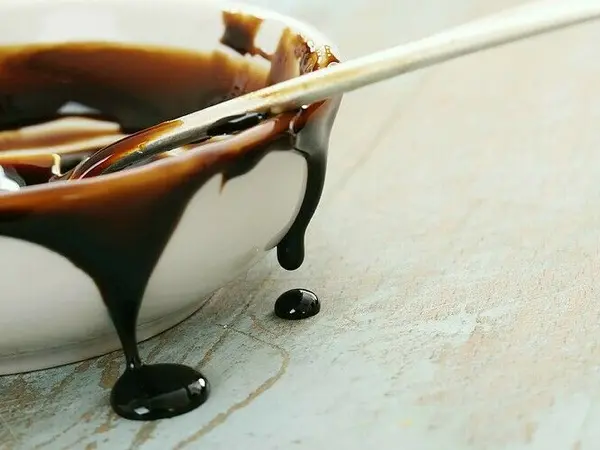
treacle
[tree-kuhl]
contrived or unrestrained sentimentality
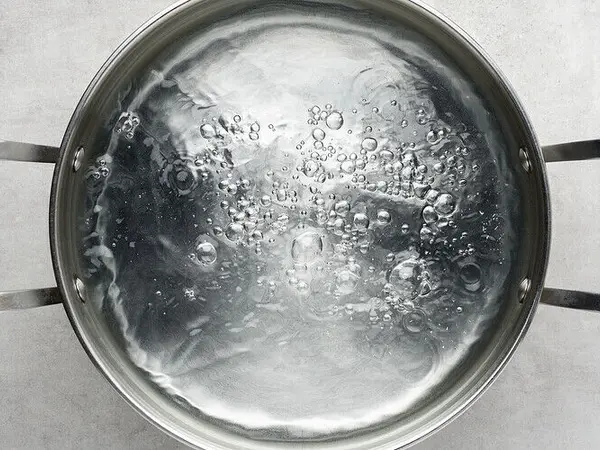
parboil
[pahr-boil]
to boil for a short amount of time; pre-cook

forestall
[fohr-stawl]
to prevent, hinder, or thwart by action in advance

waft
[waft]
to carry lightly and smoothly through the air or over water

gild
[g-ild]
to cover something with a thin layer of gold; also used metaphorically to enhance or embellish.

plaintiff
[pleyn-tif]
petitioner (in court of law)

matutinal
[muh-toot-n-l]
pertaining to or occurring in the morning; early in the day

confidential
[kon-fi-den-shuhl]
intended to be kept private or secret