bonfire
adjectiveDefinition
What Makes This Word Tick
Bonfire refers to a big outdoor fire, often tied to gathering, warmth, and celebration. The word carries a social feel—more event-like than a simple campfire. Compared with blaze, bonfire suggests a shared setting rather than a danger.
If Bonfire Were a Person…
Bonfire would be the welcoming host who pulls everyone into a circle and makes strangers feel like friends. They’re warm, bright, and a little wild in a controlled way. Their presence turns a dark night into a shared moment.
How This Word Has Changed Over Time
Bonfire has stayed close to its concrete meaning, but its associations have expanded through modern usage. Today it can suggest celebration, tradition, community, or simple outdoor coziness, depending on context. The meaning remains stable, while the mood it evokes does a lot of extra work.
Old Sayings and Proverbs
A proverb-style idea that matches bonfire is that shared warmth brings people together. This reflects how a large outdoor fire often becomes a natural center for stories, food, and community.
Surprising Facts
Bonfire often signals an event, not just an object—people tend to plan around it rather than simply notice it. The word can carry a nostalgic tone because it’s tied to gatherings and rituals. Even when used plainly, it brings an instant image: night air, light, and a circle of faces.
Out and About With This Word
You’ll see bonfire in invitations, seasonal traditions, outdoor celebrations, and cozy storytelling descriptions. It also appears in safety and rules contexts when people talk about controlling large outdoor fires. The word fits best when the fire is big enough to be a centerpiece.
Pop Culture Moments Where Bonfire Was Used
In pop culture, the bonfire scene often marks bonding, confession, celebration, or a turning point where people speak more honestly in the glow. It’s used because the setting naturally feels communal and a little timeless. The concept matches the definition by focusing on a large outdoor fire as the anchor for shared moments.
The Word in Literature
In literary writing, bonfire is often used to set atmosphere quickly—warmth against darkness, community against loneliness, or celebration against uncertainty. It can act as a scene magnet that gathers characters into one place and encourages dialogue. The image also lends itself to symbolism, since fire can suggest memory, change, and intensity without needing extra explanation.
Moments in History with Bonfire
Throughout history, large public fires have been used for gatherings, seasonal rituals, celebrations, and communal announcements. A bonfire fits these moments because it’s visible, shared, and strong enough to become a focal point. The concept highlights how people use light and warmth to build togetherness.
This Word Around the World
Across languages, this idea is usually expressed through words for “big fire,” “festival fire,” or “outdoor fire for gathering,” and the exact emphasis varies by tradition. Some terms highlight celebration, while others highlight the public nature of the flames. The shared concept is an open-air fire large enough to matter socially, not just practically.
Where Does It Come From?
Bonfire is traced in the inventory to Middle English “bone fire,” connected to the idea of burning bones in a large fire. That origin helps explain why the word suggests something bigger and more deliberate than a small cooking flame.
How People Misuse This Word
Bonfire is sometimes used for any campfire, but it usually implies something larger and more event-like. If the fire is small and mainly for cooking or warmth, “campfire” is often more precise. The key difference is scale and social centerpiece energy.
Words It’s Often Confused With
Campfire is typically smaller and more practical, while bonfire suggests a bigger, more communal fire. Pyre can overlap, but it often has a more formal or serious tone depending on context. Blaze describes intense burning, while bonfire describes the kind of fire and setting.
Additional Synonyms and Antonyms
Additional Synonyms: outdoor fire, festival fire, firepit gathering Additional Antonyms: extinguishment, cold darkness, unlit night
Want to Try It Out in a Sentence?
"They gathered around the bonfire to roast marshmallows and share stories."
Explore more words
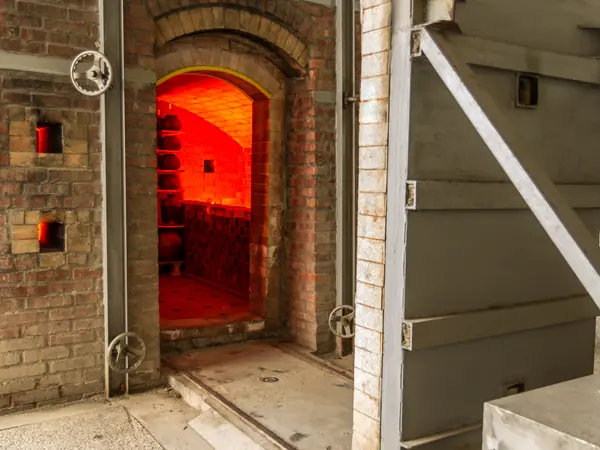
kiln
[kiln]
a furnace or oven for burning, baking, or drying something, especially one for firing pottery, calcining limestone, or baking bricks
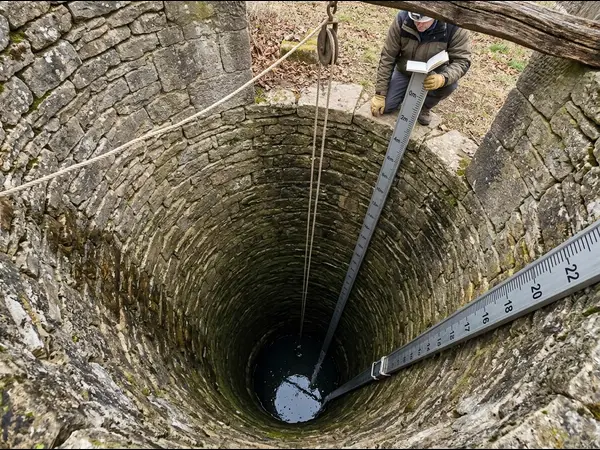
depth
[depth]
the distance from the top to the bottom of something
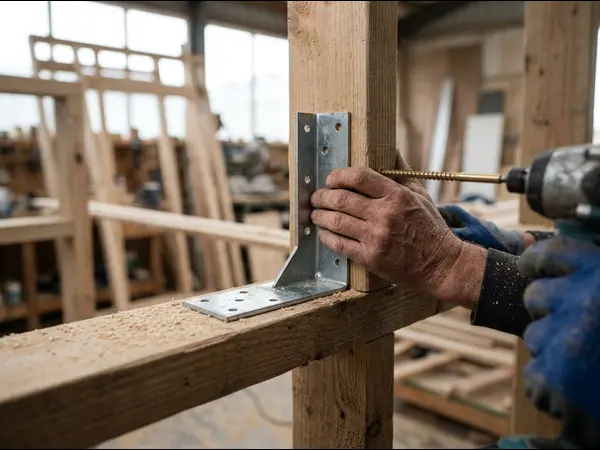
brace
[brays]
a device used to support or hold something in place

lotion
[l-oshun]
a liquid or cream applied to the skin for moisturizing or healing.
authentic
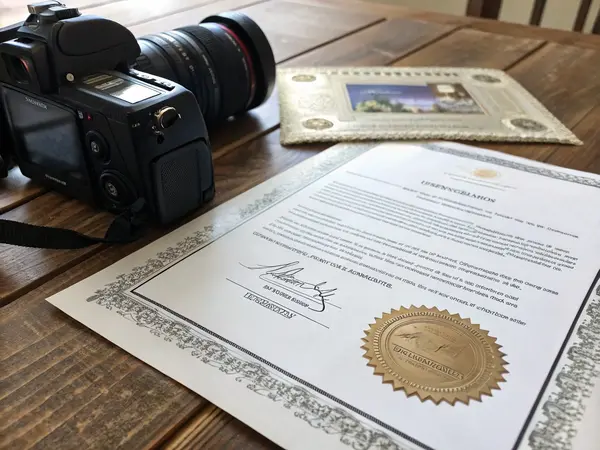
[aw-then-tik]
genuine, real, or original; not a copy, imitation, or counterfeit; conforming to the source or representing true characteristics or qualities.

pharaonic
[fair-ey-on-ik]
impressively or overwhelmingly large, luxurious, etc.
inveterate
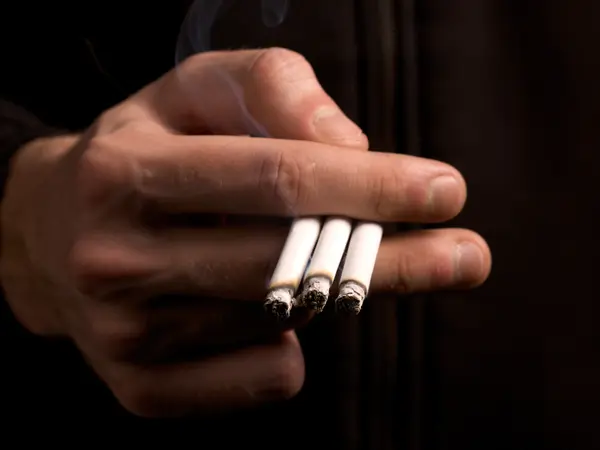
[in-vet-er-it ]
settled or confirmed in a habit, practice, feeling, or the like
battery
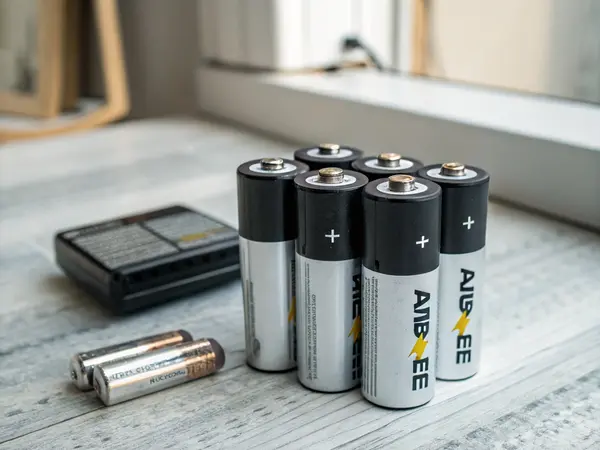
[ba-tte-ery]
a device that supplies power

balcony
[bal-kuh-nee]
a platform projecting from a wall of a building, enclosed by a railing
engulf
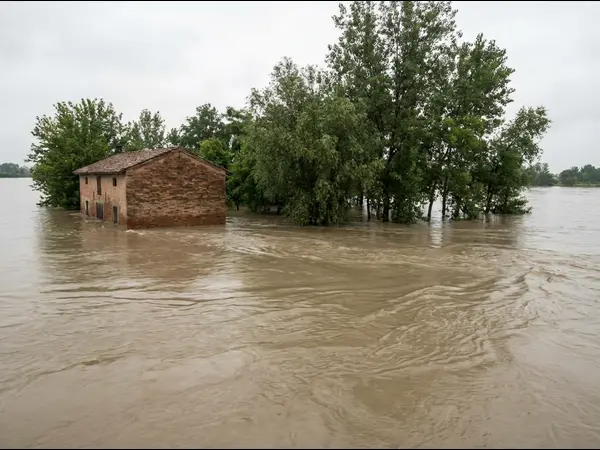
[en-guhlf]
to flow over and enclose; to overwhelm.
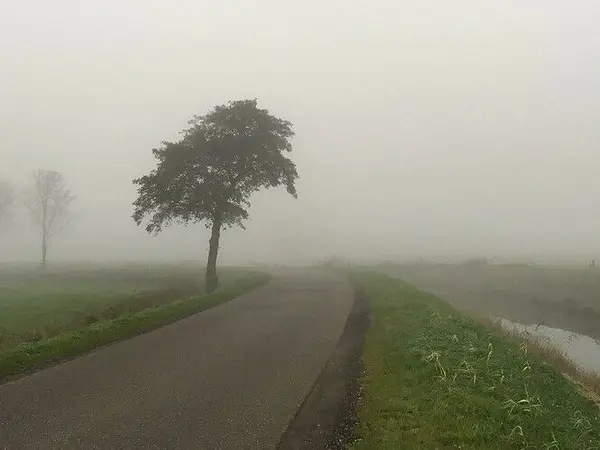
hazy
[hey-zee]
lacking distinctness or clarity; vague; indefinite; obscure; confused
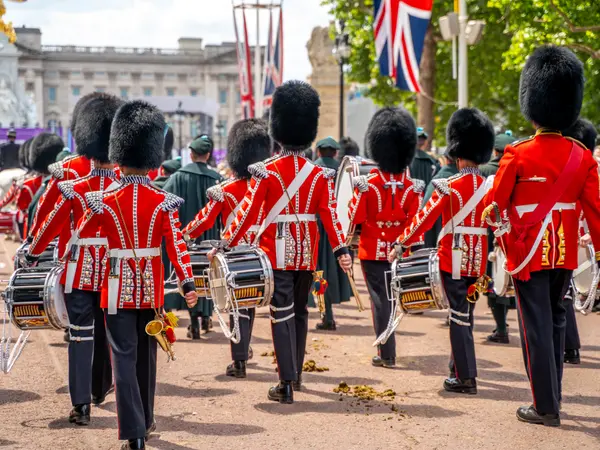
jubilee
[joo-buh-lee]
the celebration of any certain anniversaries, as the twenty-fifth (silver jubilee), fiftieth (golden jubilee), or sixtieth or seventy-fifth (diamond jubilee)
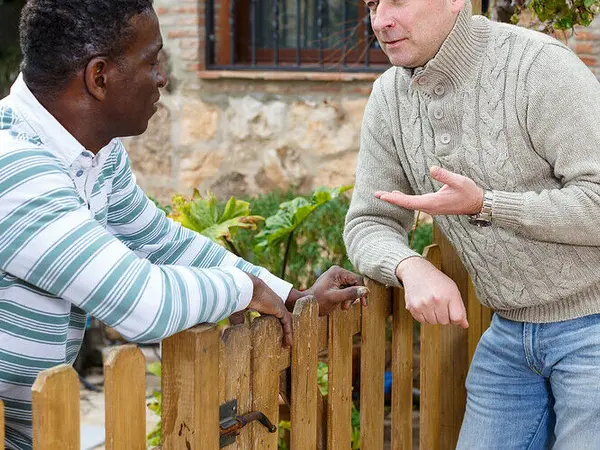
kith
[kith]
acquaintances, friends, neighbors, or the like; persons living in the same general locality and forming a more or less cohesive group
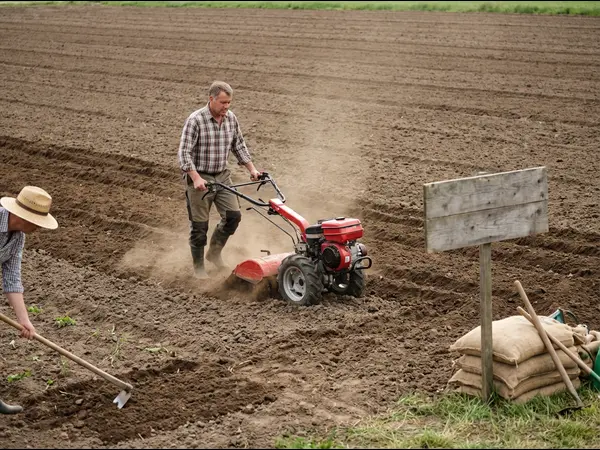
cultivation
[k-ult-iv-ashun]
the act of preparing land for growing crops; also refers to refining or improving skills or manners.
malarkey
[muh-lahr-kee]
meaningless talk; nonsense

clairvoyant
[klair-voi-uhnt]
having or claiming to have the power of seeing objects or actions beyond the range of natural vision