
unprecedented
adjectiveDefinition
What Makes This Word Tick
Unprecedented means entirely new—something without a prior example in the situation you’re describing. It’s a way to mark an event, challenge, or change as not having a clear earlier match. Compared with “new,” it leans more toward “never seen before” than “recent.”
If Unprecedented Were a Person…
Unprecedented would be the person who walks into a room and changes the rules simply by being there. They’re surprising, hard to categorize, and they make everyone rethink what “normal” looks like. Being around them feels like the first time something happens.
How This Word Has Changed Over Time
Unprecedented has stayed anchored to the same idea: something that hasn’t happened before in a comparable way. What shifts is the scale of what people apply it to—from personal experiences to large public events—but the meaning remains “entirely new.”
Old Sayings and Proverbs
Proverb-style wisdom often notes that the first time is always the hardest because there’s no map. That matches unprecedented, since it names the kind of situation where you can’t rely on a prior example.
Surprising Facts
Unprecedented doesn’t just mean “big”—it means “without a clear earlier example.” It’s often used to signal uncertainty, because entirely new situations can’t be handled by copying an old solution. The word also naturally invites a question: unprecedented compared to what came before?
Out and About With This Word
You’ll often see unprecedented in reporting, speeches, and explanatory writing when someone wants to emphasize that a development is entirely new. It fits especially well when people are describing challenges, changes, or decisions that feel outside past experience. The word works best when there truly isn’t a close prior comparison.
Pop Culture Moments Where Unprecedented Was Used
In pop culture, the concept shows up in stories where characters face a never-before-seen problem—new rules, unknown threats, or a first-of-its-kind situation. That reflects the meaning because unprecedented situations force people to act without a template.
The Word in Literature
In literary writing, unprecedented is used to heighten stakes by signaling that the moment isn’t routine or familiar. It can create tension and awe at once, because a story world feels less predictable when events have no precedent. The word helps readers feel that the characters are stepping beyond what’s been known.
Moments in History with Unprecedented
The idea fits whenever people recognize that they’re in new territory and that old comparisons fail. That aligns with the definition because unprecedented is a label for something entirely new relative to what came before.
This Word Around the World
Many languages express this concept with phrases meaning “without precedent” or “never before seen,” often used in formal contexts. The core idea stays stable because every culture needs a way to name first-of-its-kind situations.
Where Does It Come From?
Unprecedented is built from a sense of “not” plus “preceding,” which matches the meaning of having no earlier example. Its origin neatly mirrors how it’s used: to point to something that doesn’t have a prior pattern to follow.
How People Misuse This Word
Unprecedented is sometimes used as a dramatic synonym for “very difficult” or “very large,” but the definition is about being entirely new. If something has happened before in a clearly comparable way, “unusual” or “rare” may be more accurate.
Words It’s Often Confused With
Unprecedented is often confused with unprecedentedly large, but the core meaning is “entirely new,” not necessarily bigger. It’s also confused with unique, which can mean one-of-a-kind, while unprecedented focuses on the lack of a prior example in experience.
Additional Synonyms and Antonyms
Additional Synonyms: novel, first-of-its-kind, without precedent Additional Antonyms: familiar, time-tested, established
Want to Try It Out in a Sentence?
"The pandemic created unprecedented challenges."
Explore more words
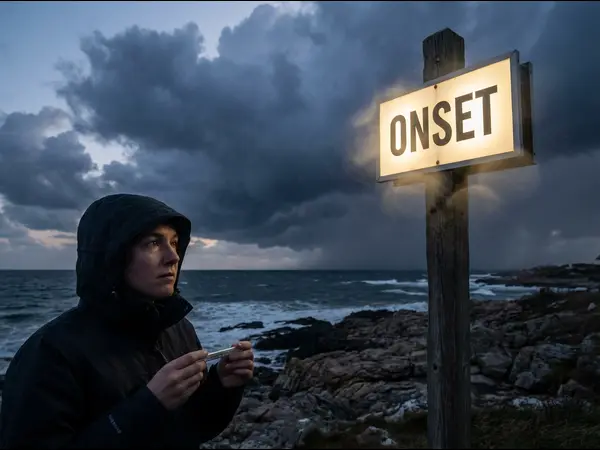
onset
[on-set-set]
the early stages of something

hogwash
[hawg-wosh]
refuse given to hogs; swill

prodigious
[pruh-dij-uhs]
extraordinary in size, amount, extent, degree, force, etc.
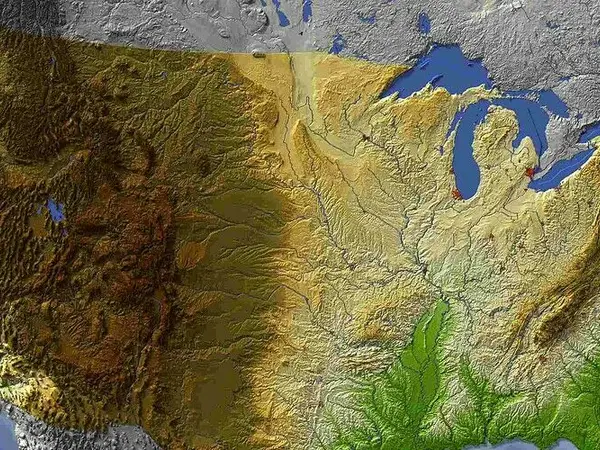
conterminous
[kuhn-tur-muh-nuhs]
having a common boundary

congeal
[kuhn-jeel]
to change from a soft or fluid state to a rigid or solid state, as by cooling or freezing

supplicate
[suhp-li-keyt ]
to pray humbly; make humble and earnest entreaty or petition

uitwaaien
[out-vahyn]
the Dutch practice of jogging or walking into the wind, especially in the winter, for the purpose of feeling invigorated while relieving stress and boosting one’s general health

tintinnabulation
[tin-ti-nab-yuh-ley-shuhn]
the ringing or sound of bells
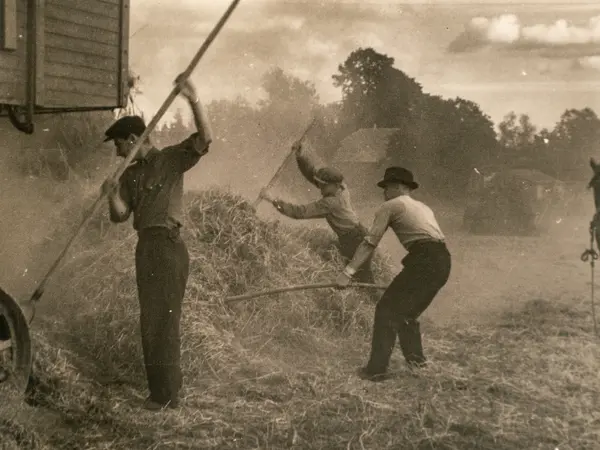
quintessence
[kwin-tes-uhns]
the pure and concentrated essence of a substance

malapropism
[mal-uh-prop-iz-uhm]
an act or habit of misusing words ridiculously, especially by the confusion of words that are similar in sound

belong
[bih-lawng]
to be a member or part of something
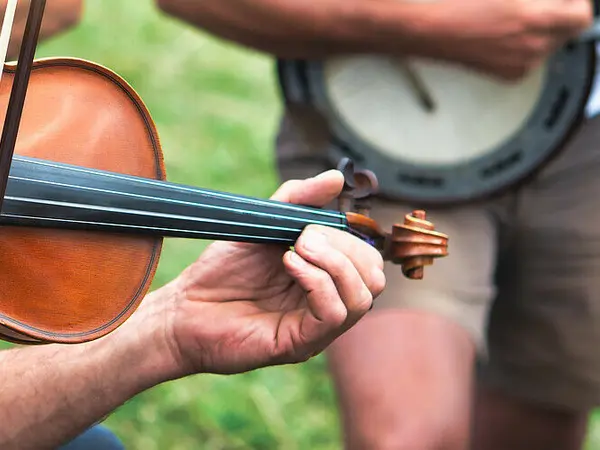
hootenanny
[hoot-n-an-ee, hoot-nan-ee]
a social gathering or informal concert featuring folk singing and, sometimes, dancing

pithy
[pith-ee]
brief, forceful, and meaningful in expression; full of vigor, substance, or meaning; terse; forcible

hindrance
[hin-druhnce]
something that obstructs or delays progress

incredulous
[in-krej-uh-luhs]
not credulous; disinclined or indisposed to believe; skeptical
pungent
[puhn-juhnt]
sharply affecting the organs of taste or smell, as if by a penetrating power; biting; acrid