
hobnob
verbDefinition
What Makes This Word Tick
"Hobnob" is a delightful word that flits off the tongue, conjuring images of social gatherings and camaraderie. It embodies the notion of mingling, often with a touch of informality and warmth. Historically, it suggested rubbing shoulders with both equals and those seen as more distinguished.
If Hobnob Were a Person…
Picture someone who instinctively knows everyone at the party. This person is friendly, approachable, and always seems to be in the right place at the right time, seamlessly moving from group to group.
How This Word Has Changed Over Time
Originally, "hobnob" was a variant of "hab nab," which meant to give or take, hit or miss. Over time, its meaning has shifted to emphasize friendly socializing, losing its uncertain roots and gaining a warm conviviality.
Old Sayings and Proverbs That Use Hobnob
While traditional proverbs don't feature "hobnob," the sentiment echoes phrases about sociability and hospitality, like "A stranger's just a friend you haven't met yet."
Surprising Facts About Hobnob
Did you know "hobnob" is also the name of a popular British biscuit? Much like the word itself, these biscuits are enjoyed in social settings, often shared over a cup of tea and a chat.
Out and About With This Word
"Hobnobbing" has sometimes been associated with networking events where the goal is to make connections that might lead to future opportunities. It's schmoozing without the pretense.
Pop Culture Moments Where Hobnob Was Used
In film and television, characters often "hobnob" at cocktail parties and galas. Think of those ritzy scenes where everyone is wearing their Sunday best, balancing drinks, and exchanging pleasantries.
The Word in Literature
"Hobnob" comfortably finds its place in Victorian novels where societal gatherings are frequent. In these books, characters often engage in hobnobbing to discuss matters both trivial and significant.
Moments in History with Hobnob
Think of those grandiose 18th-century salons where intellectuals and artists gathered to exchange ideas-what better settings could there have been for a bit of hobnobbing?
This Word Around the World
In France, a similar concept might be expressed with "fréquenter," which also involves mingling. Many cultures value social interaction and have their own charming words or phrases for it.
Where Does It Come From?
The word has roots in the old English phrase "hab nab," implying a casual acceptance of whatever happens-a hit or miss, so to speak. It evolved into a term embodying friendly social interaction.
How People Misuse This Word
Some might confuse "hobnob" as synonymous with more formal or business-oriented networking, missing its informal and friendly connotations.
Words It's Often Confused With
- Mingle: More about circulating at events rather than forming particular relationships.
- Schmooze: Implies more intention to glean benefits than the friendly nature of hobnobbing.
- Network: This is often confused with hobnobbing in professional contexts but lacks the informal, social ease.
Additional Synonyms and Antonyms
Synonyms include "socialize," "mingle," and "fraternize." As for antonyms, "isolate" or "sequester" paint the opposite picture.
Want to Try It Out in a Sentence?
Next time you're at a party, don't just stick to your familiar group-start hobnobbing and see where the evening takes you!
Explore more words

pipe
[p-ip-e]
a hollow tube used for transporting liquids, gases, or sounds; also refers to a musical instrument.

basilica
[buh-sil-ih-kuh]
a large church or building with a central nave and aisles, often used as a christian place of worship.

momentary
[moh-muhn-ter-ee]
lasting for a very short time

pungent
[puhn-juhnt]
sharply affecting the organs of taste or smell, as if by a penetrating power; biting; acrid
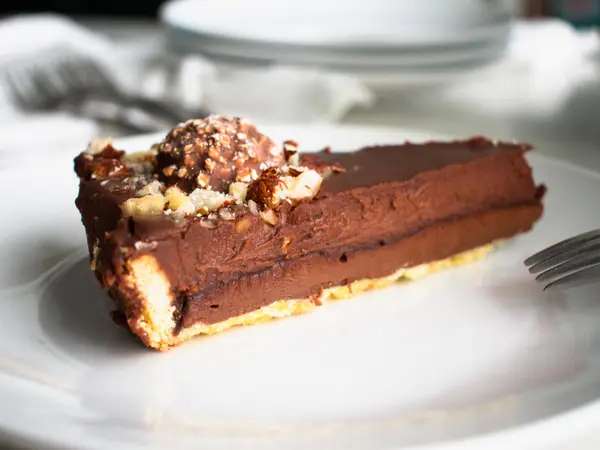
delectable
[dih-lek-tuh-buhl]
delicious

roust
[roust]
cause to get up or start moving; rouse

impromptu
[im-promp-too]
made or done without previous preparation

dock
[dok]
a platform for loading or unloading ships; to deduct something

glean
[gleen]
to collect or gather anything little by little or slowly
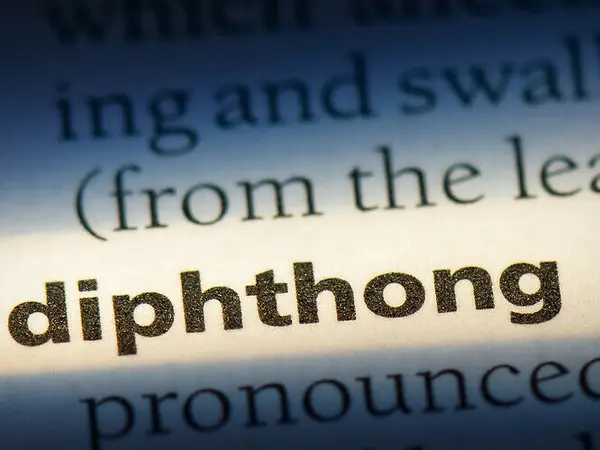
diphthong
[dif-thawng]
a sound formed by the combination of two vowels in a single syllable, in which the sound begins as one vowel and moves toward another (as in coin, loud, and side)

tenuous
[ten-yoo-uhs]
lacking a sound basis, as reasoning; unsubstantiated; weak

vow
[vo-w-vow]
a solemn promise

abject
[ab-jekt]
(of a person or their behavior) completely without pride or dignity; self-abasing
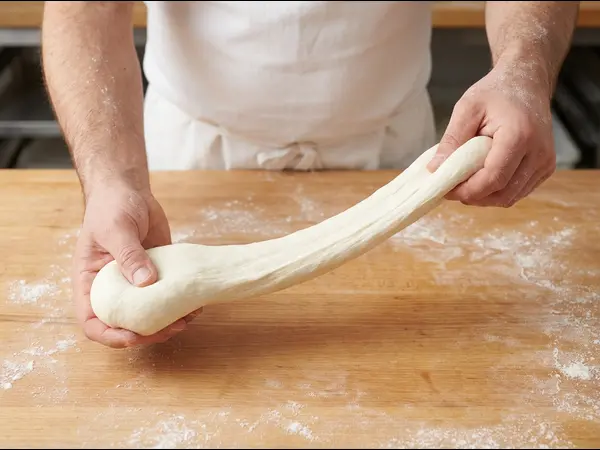
elongate
[ih-lawng-geyt]
to make something longer in length

vigorous
[vig-er-us]
strong, healthy, and full of energy

amalgamate
[uh-mal-guh-meyt ]
to mix or merge, as to make a combination; blend; unite; combine