momentary
nounDefinition
What Makes This Word Tick
Momentary describes something that lasts for a very short time—so short it can feel like a blink in the flow of events. It’s often used for pauses, feelings, or interruptions that appear and vanish quickly. Compared with temporary, momentary suggests an even tighter time window, almost immediate.
If Momentary Were a Person…
Momentary would be the person who pops in, changes the vibe, and is gone before you can ask a follow-up question. They leave a tiny ripple, not a lasting wave. You notice them most because they disappear so quickly.
How This Word Has Changed Over Time
Momentary has stayed anchored to the same idea: extremely brief duration. It continues to fit best when the point is how quickly something passes, not just that it doesn’t last forever. The word’s meaning remains steady because the “moment” frame is universally understood.
Old Sayings and Proverbs
A proverb-style idea that matches momentary is that a pause can be tiny but still change what happens next. That reflects the definition because something brief can still matter, even if it doesn’t last.
Surprising Facts
Momentary often signals a contrast between the quickness of an event and the larger situation around it. It’s a useful word for pacing because it tells readers not to expect long duration. The word can make a scene feel realistic by acknowledging small, passing beats—pauses, hesitations, flashes of emotion.
Out and About With This Word
You’ll often see momentary used in speeches, narration, and everyday descriptions of quick interruptions—momentary silence, momentary confusion, momentary relief. It fits when you want to emphasize that something happened, but only for an instant. The word is especially handy for describing tiny transitions in conversation or action.
Pop Culture Moments Where Momentary Was Used
In pop culture storytelling, momentary shifts often show up as quick pauses before a big reveal—an instant of silence, a flicker of doubt, a brief break in the action. That matches the definition because the beat is intentionally short, used for timing rather than duration. These brief moments can heighten suspense precisely because they don’t last.
The Word in Literature
In literary writing, momentary is often used to control rhythm—marking a short pause, a brief mood, or a passing thought that doesn’t settle. It helps writers spotlight tiny human reactions, like hesitation or relief, without overstating them. For readers, the word signals a quick beat in time, keeping the narrative moving.
Moments in History with Momentary
The idea behind momentary shows up whenever outcomes hinge on brief pauses or split-second decisions—tiny intervals that separate action from reaction. That fits the definition because the focus is on how short the time span is, even when the effect is large. It’s a reminder that not all turning points take long to happen.
This Word Around the World
Most languages have a way to express “for an instant” or “for a brief moment,” often using a phrase that emphasizes quickness and passing time. The shared meaning is the same: something that does not endure.
Where Does It Come From?
Momentary traces back to Latin roots connected to “moment,” which fits perfectly with its meaning of very short duration. The origin reinforces the word’s time-slice feel: something measured in moments, not stretches.
How People Misuse This Word
Momentary is sometimes used when something actually lasts a while, which weakens its precision. If an effect continues beyond a quick beat, temporary or short-lived may be more accurate.
Words It’s Often Confused With
Momentary is often confused with temporary, but momentary suggests a much shorter span than temporary. It can also overlap with fleeting, though fleeting often adds a poetic sense of slipping away, while momentary can sound more neutral and time-focused. Brief is close, but momentary highlights the “moment” scale specifically.
Additional Synonyms and Antonyms
Additional Synonyms: instantaneous, short-lived, transitory Additional Antonyms: long-term, abiding, sustained
Want to Try It Out in a Sentence?
"There was a momentary pause before the speaker continued her presentation."
Explore more words

euphoric
[yoo-fawr-ik]
intensely happy or confident
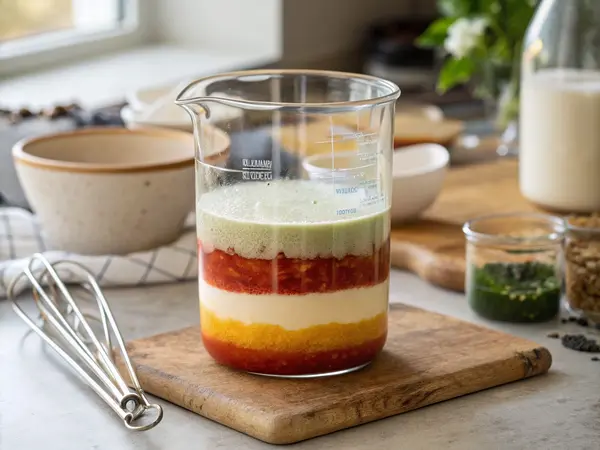
admixture
[ad-mix-cher]
a mixture or combination of different things

pontificate
[pon-tif-i-keyt]
express one's opinions in a way considered annoyingly pompous and dogmatic
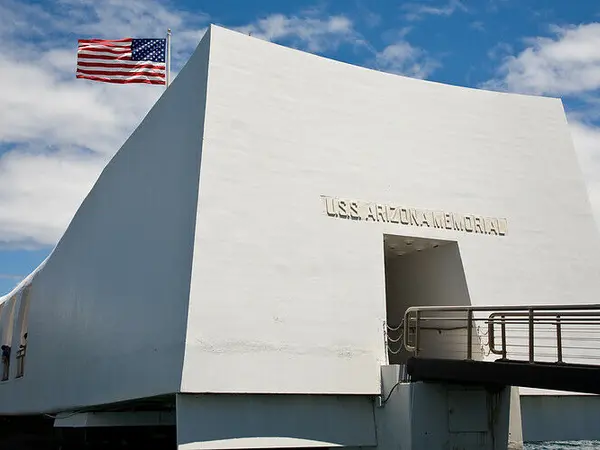
infamy
[in-fuh-mee]
extremely bad reputation, public reproach, or strong condemnation as the result of a shameful, criminal, or outrageous act

blithe
[blahyth]
happy or joyous

pragmatism
[prag-muh-tiz-uhm]
character or conduct that emphasizes practicality

smorgasbord
[smawr-guhs-bawrd]
an extensive array or variety

encroaching
[en-kroh-ching]
advancing beyond proper, accepted, or usual limits; making gradual inroads into or onto something
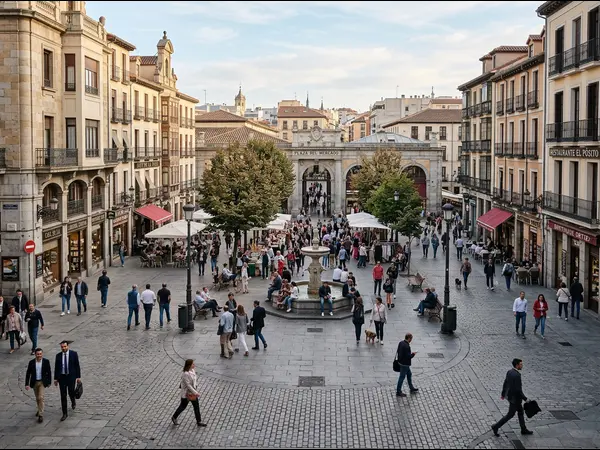
plaza
[plah-zuh]
a public square in a city or town.

ostensible
[o-sten-suh-buhl]
outwardly appearing as such; professed; pretended

impartial
[imp-art-ial]
treating all parties or sides equally; free from bias or favoritism.
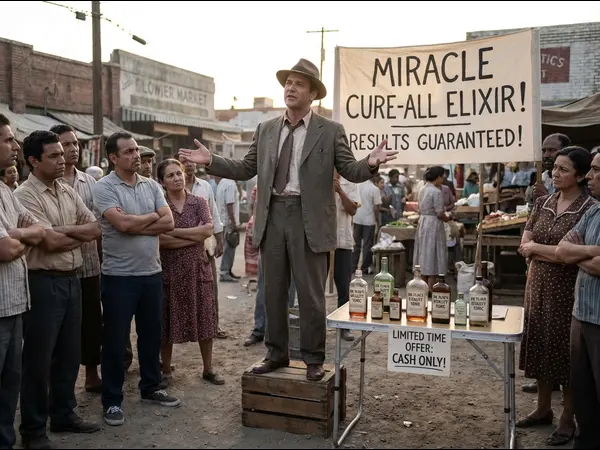
humbug
[huhm-buhg]
deceptive or false talk or behavior

marital
[mar-i-tl]
of or relating to marriage; conjugal; matrimonial
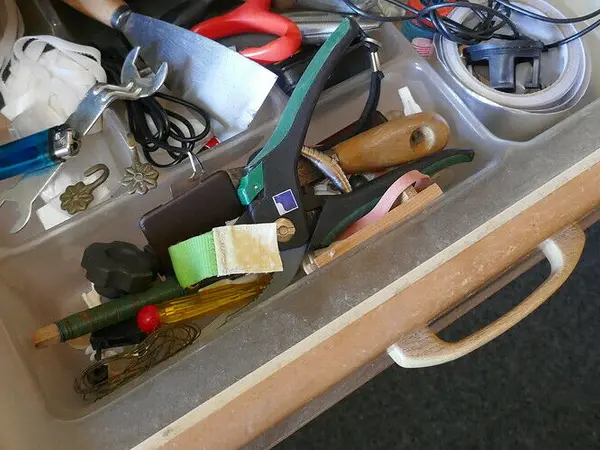
manavelins
[muh-nav-uh-linz]
miscellaneous pieces of gear and material
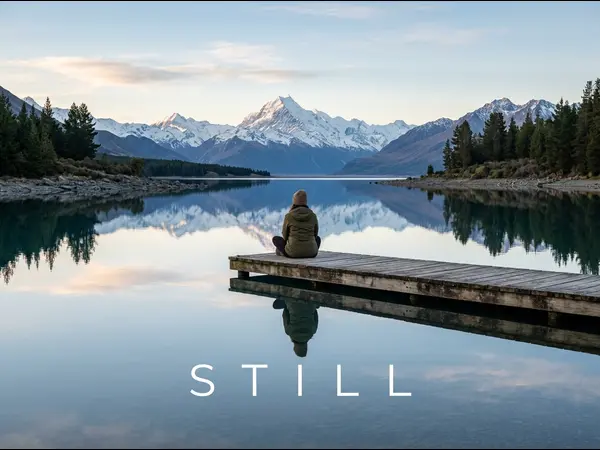
still
[stil]
not moving or making a sound; calm and quiet

uitwaaien
[out-vahyn]
the Dutch practice of jogging or walking into the wind, especially in the winter, for the purpose of feeling invigorated while relieving stress and boosting one’s general health