tenuous
adjectiveDefinition
What Makes This Word Tick
"Tenuous" is like a delicate thread, just strong enough to hold on but always at the risk of snapping. It often describes situations, arguments, or connections that are just barely there, like trying to hold onto a memory with fingertips.
If Tenuous Were a Person…
Imagine Tenuous as a tightrope walker, always balancing and swaying but rarely falling outright. With a whimsical smile and a penchant for risk, they live life on the edge, forever uncertain but indefinitely fascinating.
How This Word Has Changed Over Time
The essence of "tenuous" hasn't wandered far from its origins, maintaining a core idea of weakness or fragility. However, once it primarily described physical entities, such as threads or ropes, and today it dances more freely among abstract concepts like arguments or negotiations.
Old Sayings and Proverbs That Use Tenuous
While there aren't classic proverbs featuring "tenuous," you might think of those that warn of fragile situations, like "walking on thin ice." It's the same energy-proceed with caution, and hope the ice doesn't give way beneath you!
Surprising Facts About Tenuous
Did you know that its Latin root, "tenuis," means thin or slender? This word has an elegant row of cousins in English, all slender or shallow in their own right, like "attenuate" or "tenuity."
Out and About With This Word
You'll find "tenuous" in the bustling world of debates, where arguments might be as thin as a strand of hair. It also mingles at social events where relationships can sometimes feel as fragile as a house of cards.
Pop Culture Moments Where Tenuous Was Used
Think of any classic tension-driven story where things could crumble at any moment-films like "Inception," where the layers of reality are as tenuous as dreamscapes, come to mind. It's a word perfect for dramatizing the fragility of situations.
The Word in Literature
In literature, "tenuous" often appears in delicate narratives or when an author wishes to convey a character's precarious predicament. It fits like a glove within the prose of a suspense novel or the tragic uncertainties in a romantic saga.
Moments in History with Tenuous
Consider the Cuban Missile Crisis where the peace was as tenuous as a ceasefire built on whispers across the Atlantic. The term is tailor-made for describing volatile junctures in global history where balance was key.
This Word Around the World
While "tenuous" is English-born, the idea it embodies is universal. In French, you might say "fragile," in Spanish "tenue," and in German "schwach." It's a reminder that uncertainty transcends language.
Where Does It Come From?
"Tenuous" stretches back to Latin roots, specifically the word "tenuis," which embodies thinness. Over centuries, the usage has evolved to represent not just physical realms but metaphorical ones too.
How People Misuse This Word
People sometimes use "tenuous" when they mean "tense." Though both involve delicate conditions, "tenuous" suggests fragility, while "tense" refers to a state of nervous anticipation or anxiety.
Words It's Often Confused With
- Tense: Often mixed up due to their involvement in fragile situations.
- Tenacious: Completely different; if you're tenacious, you're not about to break any time soon!
- Tender: While it also implies something delicate, tender is more about gentleness.
Additional Synonyms and Antonyms
Synonyms include "fragile," "weak," and "flimsy." On the flipside, antonyms such as "strong," "sturdy," and "robust" tell a different story of reliability and strength.
Want to Try It Out in a Sentence?
After the election, the coalition's grip on power was as tenuous as a sole thread holding up a tapestry. Here, "tenuous" captures the delicate nature of the coalition's situation perfectly.
Explore more words

camaraderie
[kah-muh-rah-duh-ree]
mutual trust and friendship among people who spend a lot of time together

indirect
[ind-ir-ekt]
not straightforward or direct; involving a roundabout or secondary path or method.

misunderstand
[m-is-und-erst-and]
to fail to correctly interpret or comprehend something.

quixotic
[kwik-sot-ik]
extravagantly chivalrous or romantic; visionary, impractical, or impracticable

pretermit
[pree-ter-mit]
to let pass without notice; disregard

pulchritude
[puhl-kri-tood]
physical beauty; comeliness

confidential
[kon-fi-den-shuhl]
intended to be kept private or secret

boastful
[b-oastf-ul]
showing excessive pride or self-satisfaction in one’s achievements or possessions.
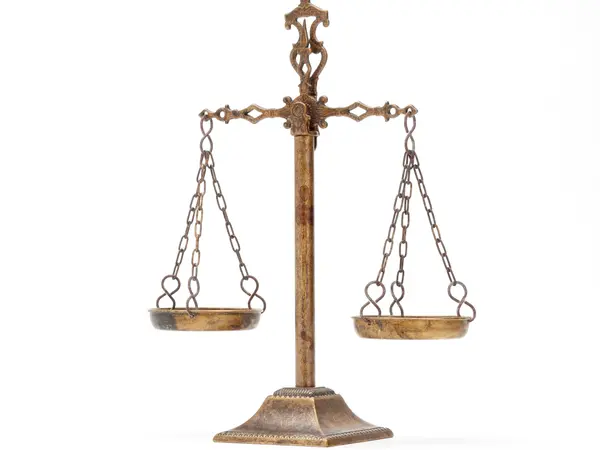
tantamount
[tan-tuh-mount]
equivalent, as in value, force, effect, or signification

giant
[jy-unt]
an extremely large or powerful being or thing

largesse
[lar- jes]
generosity of spirit or attitude

surly
[sur-lee]
bad-tempered and unfriendly
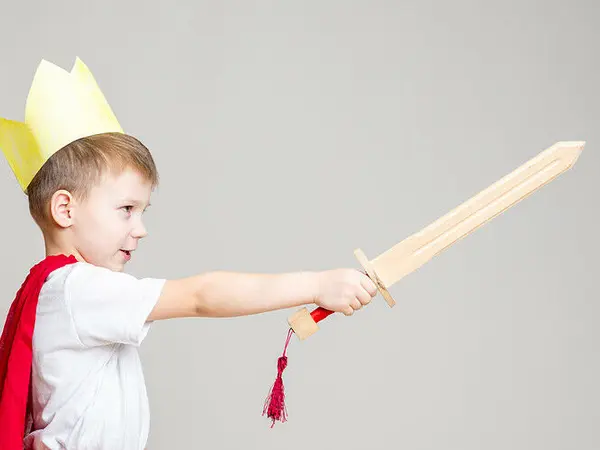
czar
[zahr]
(with a capital letter) the former ruler of Russia
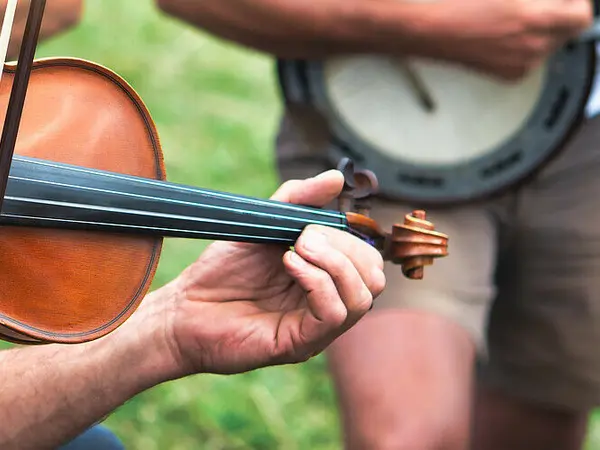
hootenanny
[hoot-n-an-ee, hoot-nan-ee]
a social gathering or informal concert featuring folk singing and, sometimes, dancing

rumour
[roo-mur]
a circulating story or report of uncertain truth

zest
[zest]
keen relish; hearty enjoyment; gusto