vow
verbDefinition
What Makes This Word Tick
A vow is a solemn promise—something you commit to with real seriousness, not a casual “maybe.” It’s often used when the promise carries weight, expectation, or moral force. Compared with a simple promise, a vow tends to feel more binding and deliberate.
If Vow Were a Person…
Vow would be the steady friend who speaks carefully and means every word. They don’t toss commitments around; they choose them and stand by them. Being around them feels like a handshake that actually counts.
How This Word Has Changed Over Time
Vow has remained closely tied to serious commitment and solemn promise-making. Modern usage still leans on it when the promise is meant to last or to be honored with effort, not convenience. The core idea—binding intention—stays consistent.
Old Sayings and Proverbs
Proverb-style wisdom often points out that promises are only as strong as the follow-through behind them. That fits vow because the word signals a commitment meant to be kept, not just spoken.
Surprising Facts
Vow often appears in situations where commitment is public, formal, or emotionally significant, which is why it can sound more intense than “promise.” It’s also frequently paired with words like “keep,” “break,” or “renew,” highlighting how seriously the promise is treated. Even when used casually, it still carries a hint of gravity.
Out and About With This Word
You’ll often see vow in relationship contexts, formal commitments, and any setting where someone is making a serious pledge. It also shows up in reflective writing when someone commits to a personal standard or long-term goal. The word fits best when the promise is meant to hold firm over time.
Pop Culture Moments Where Vow Was Used
In pop culture storytelling, vows often drive plots: characters pledge loyalty, secrecy, or dedication, and the tension comes from whether they can keep it. That reflects the meaning because a vow is a solemn promise that shapes choices and consequences.
The Word in Literature
In literature, vow is a compact way to signal high-stakes commitment, especially in scenes about loyalty, love, duty, or personal honor. Writers use it to add weight to a promise without explaining the whole backstory. For readers, it instantly raises the cost of breaking that commitment.
Moments in History with Vow
Throughout history, the concept of a vow appears wherever commitment is used to bind behavior—whether in private life, public duty, or group loyalty. That aligns with the definition because a vow is a solemn promise intended to hold steady under pressure.
This Word Around the World
Across languages, the idea is often expressed through words meaning oath, pledge, or solemn promise, with nuance depending on whether the promise is formal or personal. The shared concept is a commitment meant to be taken seriously.
Where Does It Come From?
Vow traces back to a Latin root meaning a promise or pledge, which maps neatly onto the modern sense. Over time, it settled into English as a word for serious, binding commitment rather than casual reassurance.
How People Misuse This Word
Vow is sometimes used for quick, everyday assurances, but the definition leans toward a solemn promise with real weight. If the commitment is casual or easily changed, “promise” may be a better fit.
Words It’s Often Confused With
Vow is often confused with promise, but vow typically signals greater solemnity and seriousness. It can also be confused with oath, which often implies a formal or sworn statement, while vow can be personal as well.
Additional Synonyms and Antonyms
Additional Synonyms: pledge, oath, commitment Additional Antonyms: betrayal, renunciation, retraction
Want to Try It Out in a Sentence?
"They made a vow to always support each other."
Explore more words

effulgent
[ih-fuhl-juhnt]
shining forth brilliantly; radiant

pitiable
[pit-ee-uh-buhl]
evoking or deserving pity; lamentable; miserable; contemptible

cover
[kuhv-er]
to place something over or upon to conceal, protect, or enclose

frenzied
[fren-zeed]
violently agitated; frantic; wild

sienna
[see-en-uh]
a ferruginous earth used used as a yellowish-brown pigment (raw sienna) or, after roasting in a furnace, as a reddish-brown pigment (burnt sienna)

manifold
[ma-nif-old]
diverse, varied
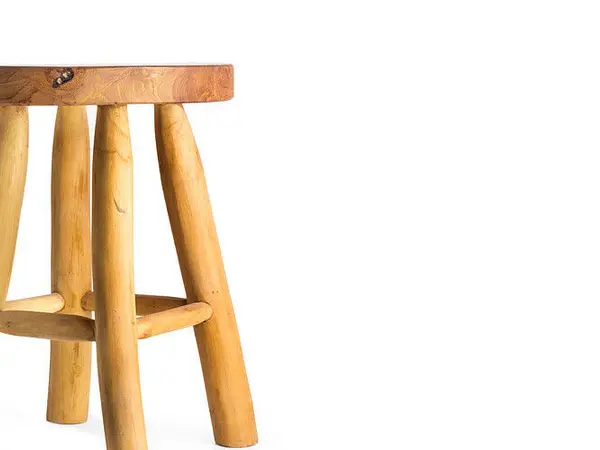
taboret
[tab-er-it]
a stool-like seat for one person

orotund
[awr-uh-tuhnd]
(of the voice or speech) characterized by strength, fullness, richness, and clearness

inject
[in-jekt]
to introduce a substance into something, typically a body or system

inspirit
[in-spir-it]
to infuse spirit or life into; enliven

brace
[brays]
a device used to support or hold something in place

hubbub
[huhb-uhb]
a loud, confused noise, as of many voices

jubilant
[joo-buh-luhnt]
showing great joy, satisfaction, or triumph; rejoicing; exultant

dissemble
[dih-sem-buhl]
to give a false or misleading appearance to; conceal the truth or real nature of

briskness
[brisk-nes]
the quality of being energetic or lively
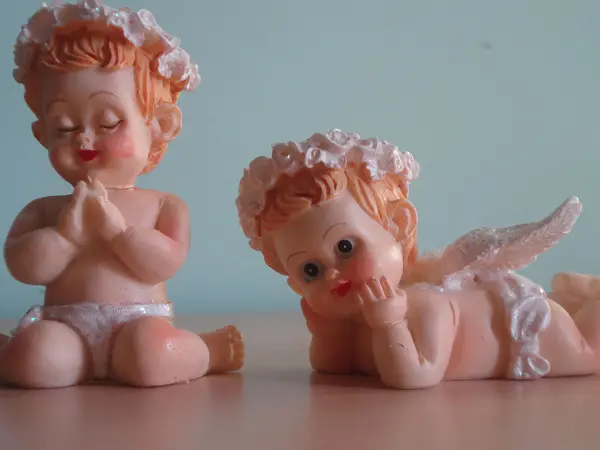
cherubic
[chuh-roo-bik]
having a plump, pretty innocence