harmony
nounDefinition
What Makes This Word Tick
Harmony describes a state where people’s ideas and actions align smoothly. It suggests more than just avoiding conflict; it implies active compatibility and shared direction. Unlike simple agreement, harmony carries a sense of balance and coordinated effort.
If Harmony Were a Person…
If this word were a person, it would be the steady collaborator who listens first and speaks with care. They help others find common ground and keep tensions from rising. You would notice them most when a group works seamlessly together.
How This Word Has Changed Over Time
Harmony has long been associated with agreement and fitting parts working together. While it originally also referred to musical blending, its broader sense of social compatibility has remained stable. Today it commonly applies to relationships, teamwork, and shared values.
Old Sayings and Proverbs
A proverb-style idea connected to harmony is that many voices can create one song. This reflects the belief that different perspectives can blend into a unified outcome when aligned in purpose.
Surprising Facts
Harmony is often used in both social and artistic contexts, linking people and music through the idea of coordinated parts. It tends to carry a positive tone, rarely used sarcastically. The word often implies ongoing cooperation rather than a one-time agreement.
Out and About With This Word
You’ll see harmony used in discussions about teamwork, diplomacy, and family life. It appears in workplace settings when describing productive collaboration. It also shows up in conversations about communities striving for peaceful coexistence.
Pop Culture Moments Where Harmony Was Used
In pop culture, harmony often appears in stories where diverse characters must unite for a shared goal. It represents the turning point when conflict gives way to cooperation. The concept reinforces themes of unity and collective strength.
The Word in Literature
Writers use harmony to suggest emotional or social balance within a story. It can describe peaceful settings or relationships that function without strain. The word often signals resolution after tension.
Moments in History with Harmony
Throughout history, harmony appears in periods when groups or nations align around common objectives. It helps describe moments of successful collaboration after disagreement. The concept highlights stability built on shared understanding.
This Word Around the World
Across languages, this idea is often expressed through words meaning agreement or unity. While cultural nuances vary, the core sense of balanced cooperation remains similar. The emphasis stays on compatibility rather than mere silence.
Where Does It Come From?
Harmony comes from Greek harmonia, meaning agreement or joining together. The root suggests parts fitted into a whole. Over time, the term broadened from musical blending to social compatibility.
How People Misuse This Word
People sometimes use harmony to mean simply the absence of argument, but true harmony implies active alignment, not just quiet. Silence without shared understanding is not the same as compatibility.
Words It’s Often Confused With
Harmony is often confused with peace, but peace may simply mean no conflict, while harmony suggests coordinated agreement. It is also mistaken for compromise, which can involve concessions rather than genuine alignment.
Additional Synonyms and Antonyms
Additional Synonyms: accord, concord, cohesion, solidarity Additional Antonyms: discord, friction, tension
Want to Try It Out in a Sentence?
"The committee worked in harmony, aligning their ideas to produce a clear and unified plan."
Explore more words

belong
[bih-lawng]
to be a member or part of something

palatable
[pal-uh-tuh-buhl]
acceptable or agreeable to the mind or feelings

graduate
[graj-oo-it]
one that has received an academic degree, a diploma, or a certificate.

hinder
[hin-der]
to cause delay, interruption, or difficulty in; hamper; impede

proud
[proud]
feeling deep satisfaction from one's achievements or possessions

enjoy
[en-joi]
to take pleasure in or derive benefit from something

rouse
[rouz]
to stir or incite to strong indignation or anger

beseech
[bih-seech]
to implore urgently

vitiate
[vish-ee-eyt]
to corrupt and debase

skittish
[skit-ish]
restlessly or excessively lively
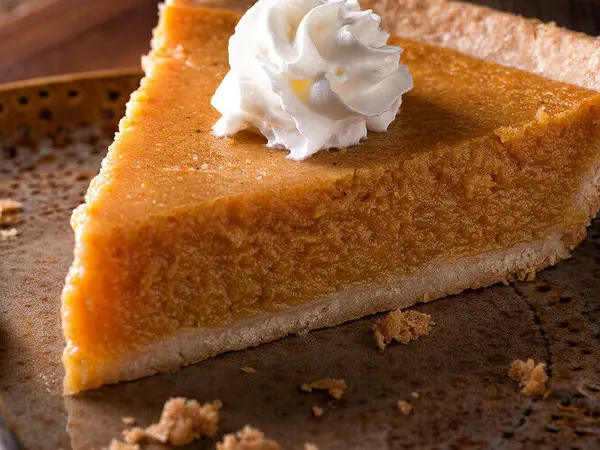
dollop
[dol-uhp]
to dispense in dollops

downtime
[doun-tahym]
a period when something is not operational or active

dunce
[duhns]
a dull-witted, stupid, or ignorant person; dolt
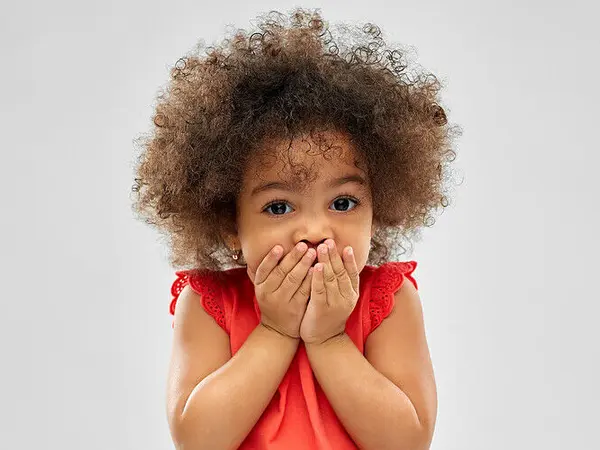
malapropism
[mal-uh-prop-iz-uhm]
an act or habit of misusing words ridiculously, especially by the confusion of words that are similar in sound

complacency
[kuhm-pley-suhn-see ]
a feeling of quiet pleasure or security, often while unaware of some potential danger, defect, or the like; self-satisfaction or smug satisfaction with an existing situation, condition, etc.

salient
[sey-lee-uhnt]
prominent or conspicuous