engulf
verbDefinition
What Makes This Word Tick
Engulf means to flow over and enclose, or to overwhelm so completely that something feels swallowed up. It carries a sense of being surrounded on all sides, often quickly. Compared with “overwhelm,” engulf keeps a strong image of enclosure—as if the thing is disappearing inside something bigger.
If Engulf Were a Person…
Engulf would be the person who arrives like a wave and suddenly the room feels smaller. They don’t just affect the edges; they surround the whole moment. Their vibe is total takeover—fast and hard to resist.
How This Word Has Changed Over Time
Engulf has stayed tied to the idea of swallowing up or enclosing completely, with both literal and figurative uses. Modern usage regularly applies it to emotions and situations that feel all-consuming.
Old Sayings and Proverbs
A proverb-style idea that fits is that a small spark can become a force that consumes everything around it. That matches engulf because the defining move is being enclosed or overtaken.
Surprising Facts
Engulf often implies loss of boundaries—the smaller thing is no longer separate once it’s engulfed. It works for physical scenes (like flames or water) and for experiences (like being engulfed by worry). The word is vivid because it suggests both motion and enclosure at the same time.
Out and About With This Word
You’ll often see engulf in descriptions of fire, smoke, water, and crowds, where something spreads and encloses. Figuratively, it’s common in writing about emotions and crises that feel all-consuming.
Pop Culture Moments Where Engulf Was Used
In pop culture, the idea of being engulfed often shows up when danger spreads fast—a disaster closing in, panic taking over, or a character being overwhelmed by an emotion they can’t step out of. It fits because the situation stops feeling avoidable once it surrounds everything.
The Word in Literature
In literary writing, engulf is a strong verb for creating immediacy and scale: something grows and closes in at once. Writers also use it metaphorically to show a character losing perspective as a feeling or problem surrounds them.
Moments in History with Engulf
The concept behind engulf appears in accounts of fast-moving hazards and overwhelming moments, where events seem to close in from all sides. It fits because the word captures both spread and enclosure—the sense that escape routes vanish.
This Word Around the World
Across languages, this idea is often expressed with verbs meaning “swallow up,” “enclose,” or “overwhelm.” The exact choice depends on whether the emphasis is physical enclosure or emotional intensity, but the core sense remains total surrounding.
Where Does It Come From?
The inventory links engulf to a build from en- plus gulf, pointing to the image of something being drawn into a larger hollow or expanse. That origin matches how the word feels in use: a smaller thing getting swallowed and surrounded.
How People Misuse This Word
Engulf is sometimes used for any increase, but it specifically suggests enclosure or overwhelming takeover, not just getting bigger. If something merely spreads without surrounding, words like spread or expand may be more accurate.
Words It’s Often Confused With
Engulf is often confused with envelop, but envelop emphasizes wrapping or covering, while engulf suggests swallowing up and overwhelming. It’s also close to overwhelm, but overwhelm can be more abstract, while engulf strongly implies being surrounded. Submerge overlaps in physical contexts, but it’s specifically about being under a surface, not necessarily overwhelmed in general.
Additional Synonyms and Antonyms
Additional Synonyms: Additional Antonyms:
Want to Try It Out in a Sentence?
"The flames began to engulf the old building rapidly."
Explore more words

equinox
[ee-kwuh-noks]
the time or date (twice each year) at which the sun crosses the celestial equator, when day and night are of approximately equal length

kiln
[kiln]
a furnace or oven for burning, baking, or drying something, especially one for firing pottery, calcining limestone, or baking bricks

prerogative
[pri-rog-uh-tiv]
a right, privilege, etc., limited to a specific person or to persons of a particular category

burble
[bur-buhl]
to speak in an excited manner; babble.

pylon
[pay-lon]
a marking post or tower for guiding aviators, frequently used in races

apparel
[uh-par-uhl]
clothing or garments

salient
[sey-lee-uhnt]
prominent or conspicuous

collateral
[co-lla-ral]
secondary

puerile
[pyoo-er-il]
childishly foolish, immature, or trivial
sienna
[see-en-uh]
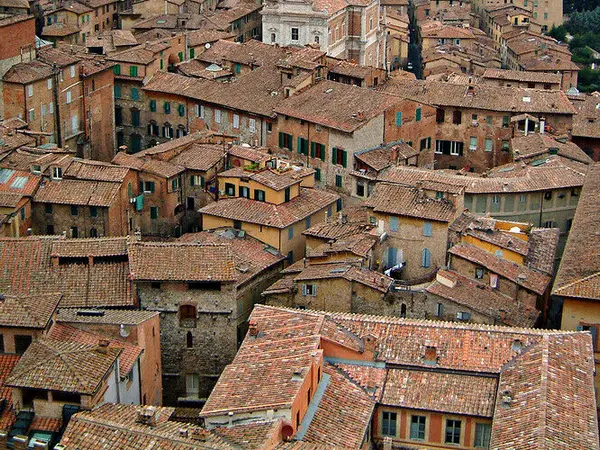
a ferruginous earth used used as a yellowish-brown pigment (raw sienna) or, after roasting in a furnace, as a reddish-brown pigment (burnt sienna)
pervasive
[per-vey-siv]
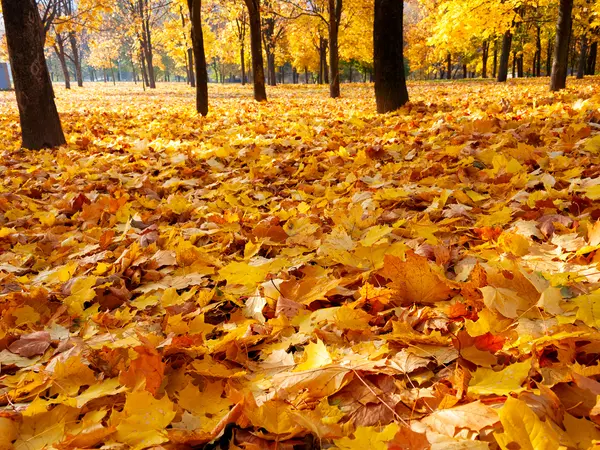
spread throughout
hodgepodge
[hoj-poj]
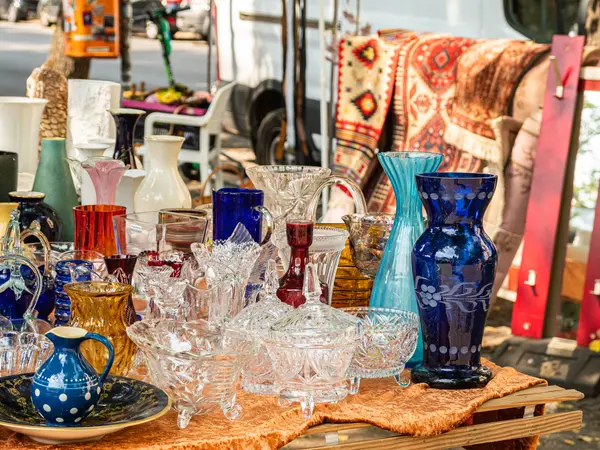
a heterogeneous mixture; jumble

giant
[jy-unt]
an extremely large or powerful being or thing

aberration
[ab-uh-rey-shuhn]
a departure from what is normal, usual, or expected, typically one that is unwelcome
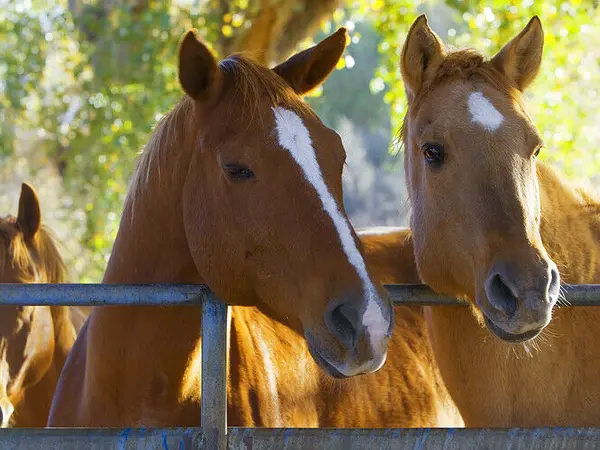
palfrey
[pawl-free]
a docile horse used for ordinary riding, especially by women

rouse
[rouz]
to bring out of a state of sleep, unconsciousness, inactivity, fancied security, apathy, depression, etc.