
effortlessly
adverbDefinition
What Makes This Word Tick
Effortlessly means doing something in a way that takes little or no effort, so it looks smooth and unstrained. The word often suggests ease that’s visible from the outside, even if practice happened behind the scenes. Compared with easily, effortlessly can add a sense of grace or flow.
If Effortlessly Were a Person…
Effortlessly would be the person who makes hard things look casual—like they’re just strolling through a challenge. They don’t rush or strain; they glide. Being around them makes you wonder how they stay so calm.
How This Word Has Changed Over Time
Effortlessly has stayed consistent as a way to describe ease in action. Modern usage often leans into performance and appearance—how something seems to happen without strain.
Old Sayings and Proverbs
A proverb-style idea that fits is that practice can make the difficult look easy. That captures how “effortlessly” is often used: the ease you see may come from skill built over time.
Surprising Facts
Effortlessly often describes the experience of watching, not just doing—because it signals how strain-free something appears. It can also carry admiration, implying competence that doesn’t need to show its work. The word pairs naturally with movement verbs because it suggests smoothness and flow.
Out and About With This Word
You’ll often see effortlessly in descriptions of athletic movement, skilled performance, and confident communication, where ease is part of the impression. It also appears in everyday compliments, like someone solving a problem without struggle. The word is friendly and vivid, especially in storytelling and reviews of personal skill.
Pop Culture Moments Where Effortlessly Was Used
In pop culture, “effortlessly” energy shows up in scenes where someone pulls off a feat with calm confidence—no sweat, no scramble, just smooth execution. It reflects the definition because the point is the lack of visible strain.
The Word in Literature
In literary writing, effortlessly is often used to create a sense of grace, control, or natural talent. It can shape characterization by implying mastery, or it can sharpen contrast when others are struggling. The word also helps pacing by smoothing a moment so it feels quick and unforced to the reader.
Moments in History with Effortlessly
Throughout history, the concept behind effortlessly appears in accounts of skilled craft and practiced performance, where expertise makes difficult actions look simple. It fits because the word describes the visible result of competence: motion and decision without strain. The idea often shapes how people recognize mastery in any era.
This Word Around the World
Many languages have adverbs meaning “with ease” or “without effort,” and some also carry the “smoothly” nuance. Translating effortlessly well means preserving both the low-effort idea and the graceful feel when context suggests it.
Where Does It Come From?
Effortlessly is built from effort plus -less, then turned into an adverb with -ly. The structure is transparent: it literally means doing something in a way that is “without effort,” which matches how it’s used today.
How People Misuse This Word
Effortlessly is sometimes used when something is merely quick, but speed alone doesn’t equal lack of effort. It fits best when the action seems unstrained or smooth, not just fast.
Words It’s Often Confused With
Effortlessly is often confused with easily, but effortlessly can emphasize grace and absence of strain more strongly. It’s also close to smoothly, which focuses on flow, while effortlessly focuses on low effort. Naturally overlaps too, but naturally can suggest innate talent rather than visible ease in execution.
Additional Synonyms and Antonyms
Additional Synonyms: with ease, without strain, seamlessly, unhurriedly Additional Antonyms: with difficulty, arduously, painfully, with strain
Want to Try It Out in a Sentence?
"She ran the race effortlessly, making it look easy."
Explore more words

nettle
[net-l]
to irritate, annoy, or provoke

glean
[gleen]
to gather slowly and laboriously, bit by bit

execrable
[ek-si-kruh-buhl ]
utterly detestable; abominable; abhorrent

fatigued
[fuh-teegd]
extremely tired or exhausted

accredit
[uh-kred-it]
to officially recognize or approve

brace
[brays]
a device used to support or hold something in place

summarize
[s-umm-ar-iz-e]
to provide a brief and concise statement of the main points.

harbingers
[hahr-bin-jerz]
indicators; bringers of warnings
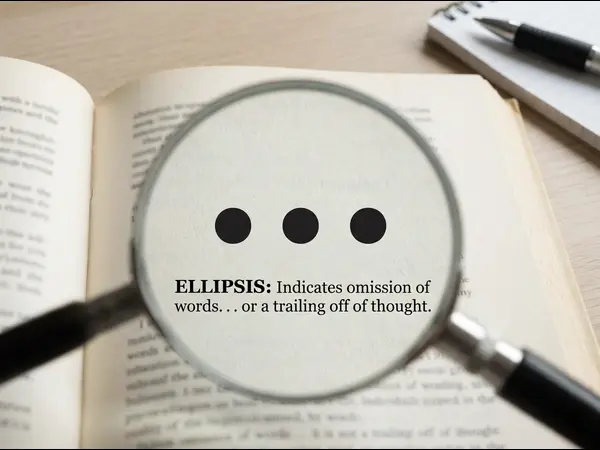
ellipsis
[ih-lip-sis]
omission of one or more words that are obviously understood but must be supplied to make a construction grammatically complete.

diegetic
[dahy-uh-jet-ik]
(of sound in a movie, television program, etc.) occurring within the context of the story and able to be heard by the characters
manifold
[ma-nif-old]
diverse, varied

dock
[dok]
a platform for loading or unloading ships; to deduct something

flicker
[flik-er]
to shine unsteadily or briefly

prodigious
[pruh-dij-uhs]
extraordinary in size, amount, extent, degree, force, etc.

cradle
[kr-adl-e]
a small bed for an infant, often rocking; also refers to the act of gently holding or supporting something.

despicable
[des-pi-kuh-buhl]
deserving to be despised, or regarded with distaste, disgust, or disdain; contemptible