yelp
verbDefinition
What Makes This Word Tick
"Yelp" is a delightful word capturing the essence of a short, sharp cry or bark. Often used to describe the noises made by small animals or startled humans, it packs a lot of auditory punch in a brief utterance. You could almost hear it in the very letters!
If Yelp Were a Person…
If "yelp" were strolling down the street, it might be the nosy neighbor who notices every little thing before anyone else. Always alert, possibly a little jumpy, but endearing-never letting a moment pass without a comment.
How This Word Has Changed Over Time
Originally more associated with animals' cries, "yelp" has expanded to include human sounds. It's a perfect word to describe a startled shriek or a cry for help, bringing the listener right into the moment of surprise or distress.
Old Sayings and Proverbs That Use Yelp
While there aren't ancient proverbs that directly feature the word "yelp," the essence of suddenness and surprise that it conveys can be found in sayings like "Barking up the wrong tree." Here, "barking," not far from yelping, implies misunderstanding or misguided efforts.
Surprising Facts About Yelp
Did you know "yelp" was also the name of one of Hercules' lesser-known pets? Just kidding! But it does pop up in fun, unexpected ways, like in popular culture, where it's used by review websites to capture attention quickly.
Out and About With This Word
You'll most likely encounter "yelp" in pet-friendly parks or neighborhoods, slipping out of mouths when they recount stories of surprise or panic. It's a versatile word, traveling from playful chit-chats among friends to energetic storytelling at family gatherings.
Pop Culture Moments Where Yelp Was Used
Thanks to a certain review platform, "yelp" reached a peak where it's almost synonymous with posting an opinion. But it's also the kind of word you'd hear in an animated cartoon when a character steps on something unexpectedly-or gets the fright of their life!
The Word in Literature
In the pages of literature, "yelp" often appears in works where animals or quick, dramatic events take center stage. Picture children's books filled with bustling creatures or adventure tales where surprise and mystery await just around the corner.
Moments in History with Yelp
Think of a yelp as the historical exclamation at the discovery of something unexpected-like the gold rush era when miners might have "yelped" with joy or surprise upon finding a nugget. It captures human emotion at the core of unpredictable moments.
This Word Around the World
Globally, the concept of a yelp is universally understood, though called different names. In French, a "jappement" captures the brevity and intensity. In Japan, an onomatopoeic sound like "kyan" might describe a similar quick, startling noise.
Where Does It Come From?
Tracing back to Middle English, "yelp" has Germanic roots with connections to words describing loud cries across a variety of related languages. Its consistent use over time showcases our enduring need to verbalize sudden sounds.
How People Misuse This Word
Sometimes "yelp" is mistaken for merely describing loud noises, but it specifically refers to sharp, quick sounds-usually connected with surprise or urgency. It should evoke a sense of immediacy, not just volume.
Words It's Often Confused With
- Bark: While both are sounds from animals, "bark" is deeper and more sustained.
- Squeal: Though both convey sharp sounds, a squeal often implies a higher pitch or a longer note.
- Cry: Cry is broader and can be more emotionally driven or sustained than the sudden yelp.
Additional Synonyms and Antonyms
Synonyms for "yelp" include "bark," "cry," and "squeak," while antonyms might be "silence" or "murmur," representing either the absence of sound or a quieter, more constant noise.
Want to Try It Out in a Sentence?
"The little dog gave a sharp yelp as its owner accidentally stepped on its paw, drawing attention from everyone in the room."
Explore more words
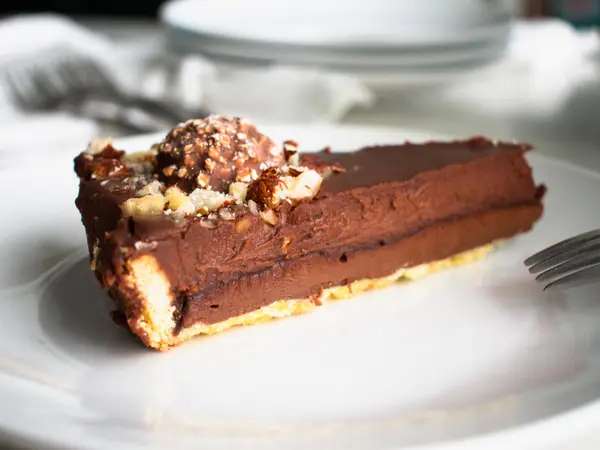
delectable
[dih-lek-tuh-buhl]
delicious

triptych
[trip-tik]
a tablet written on in ancient times with a stylus

suborn
[suh-bawrn]
in law, to induce (a person, especially a witness) to give false testimony

pylon
[pay-lon]
a marking post or tower for guiding aviators, frequently used in races

crestfallen
[krest-faw-luhn]
dejected; dispirited; discouraged

malapropism
[mal-uh-prop-iz-uhm]
an act or habit of misusing words ridiculously, especially by the confusion of words that are similar in sound

leadership
[lee-der-ship]
the action or ability to lead a group or organization

meander
[mee-an-der]
to proceed by or take a winding or indirect course

blunt
[bluhnt]
having a dull edge or being straightforward
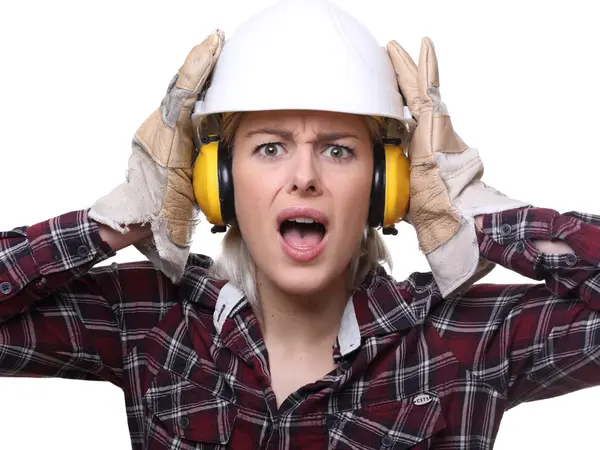
strident
[strahyd-nt]
making or having a harsh sound; grating; creaking

doting
[doh-ting]
excessively fond

bibliopole
[bib-lee-uh-pohl]
a person who buys and sells books, especially rare ones

horizon
[hih-rai-zun]
the line at which the earth's surface and the sky appear to meet.
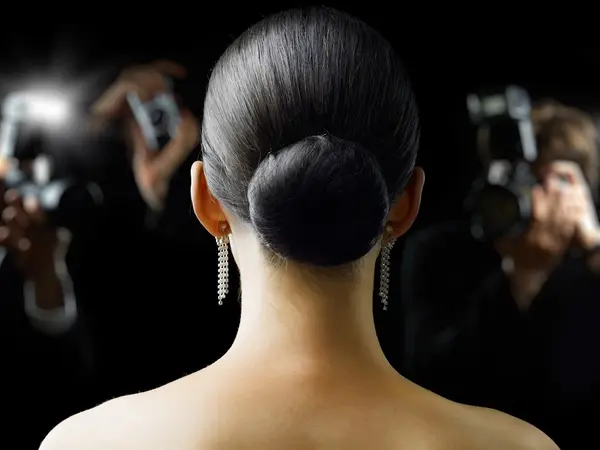
renowned
[ri-nound]
celebrated; famous

impetuous
[im-pech-oo-uhs]
acting or done quickly and without thought or care

accrete
[uh-kreet]
to grow together; adhere (usually followed by to)