
flimflam
noun, nounDefinition
What Makes This Word Tick
"Flimflam" is an amusing word that sounds as light and airy as a feather. It's typically used to describe deceitful nonsense or trickery, especially charlatan-like behavior where someone might bamboozle you with smooth talk. Picture a snake oil salesman with a twinkle in his eye - that's the spirit of flimflam!
If Flimflam Were a Person…
Imagine a charming individual, perhaps with a twirled mustache and a knack for telling stories that sound too good to be true. This person wears colorful suits with flashy ties, always ready to sell you the latest wonder gadget.
How This Word Has Changed Over Time
Originally, "flimflam" suggested insubstantial talk or gibberish, but over time, it has come to embody more intentional deceit. The essence of trickery remains, but nowadays it's often used with a wink, acknowledging both the con and its humorous sides.
Old Sayings and Proverbs That Use Flimflam
While there aren't time-honored proverbs featuring "flimflam," it aligns snugly with phrases like "all that glitters is not gold," reminding us that fancy exteriors can hide mere flim-flam.
Surprising Facts About Flimflam
One intriguing tidbit is that "flimflam" doesn't have a clear etymological origin, which feels quite fitting given its mischievous nature. Its repetitious sound is meant to reflect its superficiality - fun on the tongue, but empty in substance.
Out and About With This Word
"Flimflam" tends to surface in discussions of con artists or questionable schemes. It's a favorite in detective novels and movies when characters need to unmask a con.
Pop Culture Moments Where Flimflam Was Used
Flimflam has been highlighted in various movies where clever tricksters take center stage. It's the kind of word a sharp-witted detective might use to describe the antics of a crafty villain in a classic caper film.
The Word in Literature
You'll find flimflam flaunting its cheekiness in stories of confidence men and swindlers. Authors like Mark Twain, who loved exposing human folly, might have relished its playful yet pointed nature.
Moments in History with Flimflam
During the great con games of the 19th century - think of those snake oil salesmen traveling the American West - the atmosphere was ripe for all sorts of flimflam. Even today, in the digital age, it persists in different guises, demonstrating its timelessness.
This Word Around the World
In British English, "flimflam" might share company with words like "codswallop" or "poppycock," while in other languages, similar terms might include "fuffa" in Italian or "balivernes" in French.
Where Does It Come From?
The word "flimflam" hails from the 16th century and is believed to be of Scandinavian origin. The repetitive sound pattern is used in several languages to indicate meaningless talk.
How People Misuse This Word
Sometimes people think flimflam is synonymous with playful mischief, but it's more about deliberate deception rather than just harmless tomfoolery.
Words It's Often Confused With
- Shenanigans: Mischief or high-spirited behavior, often playful rather than deceitful.
- Balderdash: Nonsense or foolish talk, without the connotations of intentional deceit.
- Humbug: A similar term, though it often appears around the holidays thanks to "A Christmas Carol."
Additional Synonyms and Antonyms
Synonyms include "hoax," "swindle," and "bamboozle." Antonyms embrace sincerity and candor, with words like "truth" and "honesty."
Want to Try It Out in a Sentence?
"Don't fall for that deal - it's just another flimflam concocted to relieve you of your hard-earned cash."
Explore more words

blend
[bl-end]
to mix different substances or elements to form a unified whole.

corroborate
[kuh-rob-uh-reyt]
confirm or give support to (a statement, theory, or finding)

beamish
[bee-mish]
beaming with happiness, optimism, or anticipation

frenzied
[fren-zeed]
violently agitated; frantic; wild

guts
[guhts]
courage or determination

expectant
[ik-spek-tuhnt]
having expectations; expecting

undulate
[uhn-juh-leyt]
to move with a sinuous or wavelike motion; display a smooth rising-and-falling or side-to-side alternation of movement

ferment
[fer-ment]
to be fermented; undergo fermentation

animus
[an-uh-mus]
strong hostility or ill feeling

count
[k-ount]
to determine the total number of items; also refers to considering or taking into account.

cunctation
[kuhngk-tey-shuhn]
lateness; delay

deign
[deyn]
to think it appropriate to or in accordance with one's dignity; condescend

clairvoyant
[klair-voi-uhnt]
of, by, or pertaining to clairvoyance

truncate
[truhng-keyt]
to shorten by cutting off a part; cut short

exert
[ex-ert-ert]
to put something into use
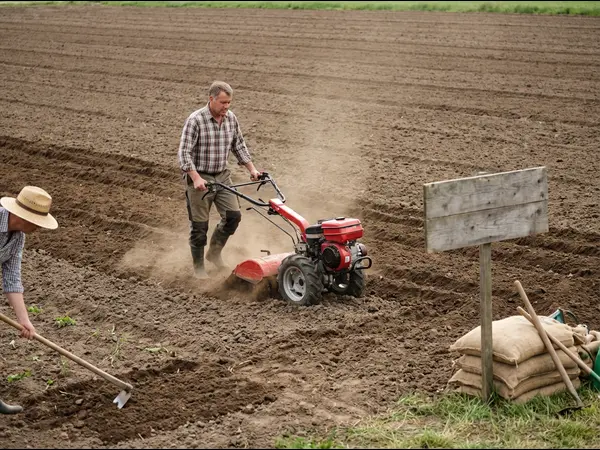
cultivation
[k-ult-iv-ashun]
the act of preparing land for growing crops; also refers to refining or improving skills or manners.