stultify
verbDefinition
What Makes This Word Tick
"Stultify" is a word with a certain dramatic flair. It refers to the act of making someone or something feel or appear foolish or ineffectual. It can also imply the process of rendering something useless or futile. It's a word that paints quite the picture of someone caught in an embarrassing situation or of a once-promising initiative coming to an inglorious halt.
If Stultify Were a Person…
Imagine Stultify as a stern librarian who shushes you with a mere glance. While appearing overly serious, there's a touch of irony in how this character's insistence on silence can sometimes hinder the very pursuit of knowledge meant to happen in the library's hushed aisles. They might be a bit of a wet blanket at parties, ensuring things don't get out of hand – or fun.
How This Word Has Changed Over Time
Originally deriving from the Latin "stultus," meaning foolish, "stultify" has held onto its origins quite well over the years. While its usage has always pivoted around making one feel foolish or thwarted, in modern times, it's often used to describe bureaucratic processes or regulations that hinder creativity or progress.
Old Sayings and Proverbs That Use Stultify
While "stultify" itself doesn't appear in age-old sayings, the spirit certainly does. Consider the saying, “Red tape stultifies creativity,” or the timeless warning against allowing procedures to become so predictable they stop innovation in its tracks.
Surprising Facts About Stultify
As much as it sounds like a dry legalese term, "stultify" has popped up in some notable legal contexts. "Stultification" is a defense in historical English law used to show a person became incapable of handling their own affairs due to an unsound mind developed after making a contract or a will.
Out and About With This Word
Stultify might make an appearance in workplaces, especially those with layers of management and heaps of paperwork. It's often spotted in the wilds of academic writing or legal documents, where processes can sometimes stifle innovation or slow projects.
Pop Culture Moments Where Stultify Was Used
In pop culture, "stultify" isn't a regular on the red carpet but has featured in clever scripts and satires where characters highlight the absurdities or ironies of institutions. Movies or TV shows satirizing bureaucratic red tape or even old spy comedies might employ it for a chuckle.
The Word in Literature
Stultify fits right into more formal or critical literature, especially classics that delve into the absurdity of human systems. Imagine it finding a home in works by authors such as Kafka or Heller, where an entire narrative might revolve around systems that reduce the protagonist's efforts to folly.
Moments in History with Stultify
Picture the era of the industrial revolution, when machines began to replace skilled craftspeople. The workers might indeed have felt stultified as their efforts seemed ineffectual against the growing tide of mechanization. It's a word that encapsulates not just an individual's experience but entire societal shifts.
This Word Around the World
In other languages, the concept of stultification might be expressed differently. In French, one might say "stupéfier," which conveys a sense of being stunned into inaction. Each culture has its own way of acknowledging those moments when forward movement is stopped by outside forces.
Where Does It Come From?
"Stultify" owes its origins to the Latin "stultificare," translating directly to making a fool of. This lineage clearly traces back to the word's emphasis on reducing intelligence or impact, often through systematic obstruction or folly.
How People Misuse This Word
People sometimes use "stultify" as a catch-all for any kind of boredom or frustration, but its true essence lies in rendering actions or reactions ineffective. It's not merely about dullness, but about something happening that's stubbornly static or stymied.
Words It's Often Confused With
- Nullify: While "nullify" means to cancel out or invalidate something, "stultify" is more about making something appear foolish or pointless rather than removing its existence.
- Stupefy: "Stupefy" suggests being astonished to the point of senselessness. Although similar, "stultify" is more about being rendered ineffective or silly by external forces.
- Mock: Though somewhat similar in suggesting foolishness, "mock" is more about ridicule, whereas "stultify" creates an environment of ineffectiveness.
Additional Synonyms and Antonyms
Synonyms for "stultify" include impede, thwart, and frustrate. Conversely, antonyms might be empower, inspire, or facilitate, as these words all suggest removing obstacles rather than reinforcing them.
Want to Try It Out in a Sentence?
"Despite the artists' energetic efforts, the rigid guidelines for public murals stultified any innovative expression on the city walls."
Explore more words

victorious
[vik-tawr-ee-uhs]
having achieved victory; conquering; triumphant

tyro
[tahy-roh]
a beginner in learning anything; novice

exasperate
[ig-zas-puh-reyt]
to irritate or provoke to a high degree; annoy extremely
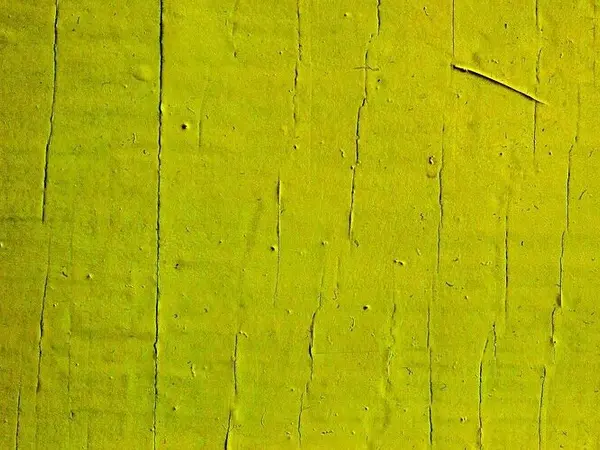
chartreuse
[shahr-trooz]
a clear, light green with a yellowish tinge
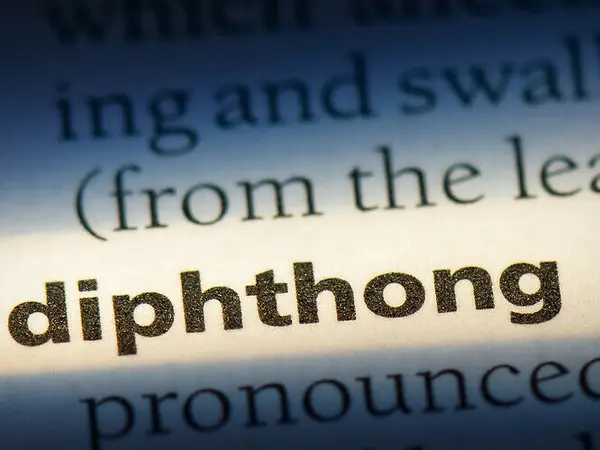
diphthong
[dif-thawng]
a sound formed by the combination of two vowels in a single syllable, in which the sound begins as one vowel and moves toward another (as in coin, loud, and side)

contrived
[kuhn-trahyvd]
obviously planned or forced; artificial; strained

flimflam
[flim-flam]
a piece of nonsense; twaddle; bosh

entreat
[en-treet ]
to ask (a person) earnestly; beseech; implore; beg

askance
[uh-skans]
with suspicion, mistrust, or disapproval
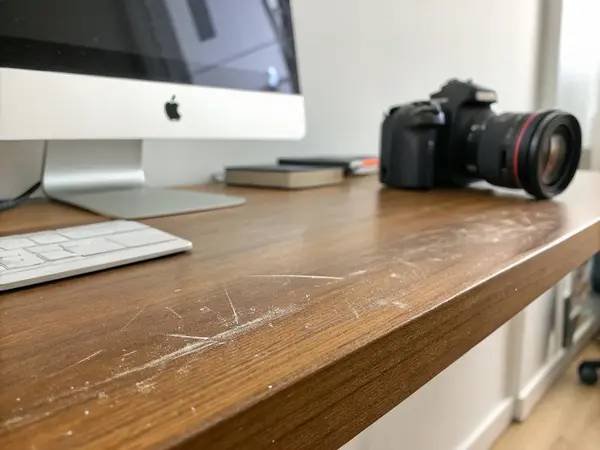
blemish
[bl-emi-ish]
an imperfection, flaw

zealous
[zel-uhs]
full of, characterized by, or due to zeal; ardently active, devoted, or diligent

charlatan
[shahr-luh-tn]
a person who pretends or claims to have more knowledge or skill than he or she possesses; quack

willies
[wil-eez]
a strong feeling of nervousness or unease

yearning
[yur-ning]
deep longing, especially when accompanied by tenderness or sadness

motion
[m-oshun]
the act or process of moving or being moved.

bibliopole
[bib-lee-uh-pohl]
a person who buys and sells books, especially rare ones