
stalactite
nounDefinition
What Makes This Word Tick
"Stalactite" is a word that drips with geological intrigue (quite literally!). It refers to the icicle-shaped formations hanging from the ceilings of caves, formed from minerals deposited by dripping water. These natural beauties are part of the grand karst landscapes, celebrated for their mysterious and serene underground cathedrals.
If Stalactite Were a Person…
Imagine a tall, slender figure who's a bit of a show-off, constantly hanging out overhead and capturing the spotlight in every underground ensemble. They'd be the type who takes their time to make an entrance, forming slowly like a timeless zen master, and always the last to leave a room-or cave.
How This Word Has Changed Over Time
Derived from the Greek word "stalaktos," meaning "dripping," the term "stalactite" has remained quite stable over the centuries. It was introduced to the scientific community in the 17th century, and since then, unlike its evolving cave formations, the word itself has stuck to its geological roots.
Old Sayings and Proverbs That Use Stalactite
There aren't any ancient proverbs featuring stalactites, but one might whimsically think up "Patience wears stalactites." After all, these formations are the epitome of patience, taking thousands of years to reach their full, sometimes spectacular, form.
Surprising Facts About Stalactite
Did you know that stalactites grow only about 0.13 mm a year? That means it takes a millennium for them to grow just 13 centimeters! Also, while many caves boast stalactites, the world's longest known stalactite hangs out in Jenolan Caves of Australia, measuring an impressive 20 feet.
Out and About With This Word
Adventure seekers and amateur spelunkers might come across stalactites in limestone caves during their explorations. Tourist attractions in places like Carlsbad Caverns or Luray Caverns owe much of their mystique to these elegant formations.
Pop Culture Moments Where Stalactite Was Used
While not often a star in the pop culture spotlight, stalactites have made cameos in various adventure films and TV shows. They've been suspenseful plot devices, offering daring heroes and villains alike treacherous obstacles to navigate.
The Word in Literature
"Stalactite" finds its serene spot in literature, especially evocative in poetry and prose that delve into nature's wonders. Writers may use this word to draw comparisons to icicles or metaphorically describe things that are slow to develop but ultimately awe-inspiring.
Moments in History with Stalactite
When explorers first documented the grandeur of Mammoth Cave in the 19th century, stalactites played a pivotal role in capturing the public's imagination. The discoveries helped spur the interest in natural conservation and inspired early geological studies.
This Word Around the World
In Spanish-speaking regions, these cave formations are called "estalactitas," while in French, they're "stalactites." Despite the linguistic variations, the admiration for these natural wonders is a common global sentiment.
Where Does It Come From?
The word's journey began in Greece, with "stalaktos" meaning "that which drips." It seeped into the Latin language as "stalactites" before trickling down into English, maintaining that essence of persistent dripping and growth.
How People Misuse This Word
Some might confuse stalactites with their upward-growing counterparts, stalagmites. Remember, stalactites cling tight to ceilings, while stalagmites might just reach up from the ground.
Words It's Often Confused With
- Stalagmite: Formations that rise from a cave floor, often partnered with stalactites.
- Icicle: Though similar in appearance, icicles are made of ice and found outside during the winter.
Additional Synonyms and Antonyms
While there aren't direct synonyms for stalactites, they can be collectively referred to as "cave formations." Antonyms don't exactly apply, but "flat" might contextually oppose their hanging form.
Want to Try It Out in a Sentence?
As the group ventured deeper into the cave, they marveled at the majestic stalactites that adorned the ceiling like nature's own chandeliers.
Explore more words

volitional
[voh-lish-uh-nl]
done of one’s own will or choosing; deliberately decided or chosen

cravat
[kruh-vat]
a short, wide strip of fabric worn by men around the neck and tucked inside an open-necked shirt

dapper
[dap-er ]
neat; trim; smart
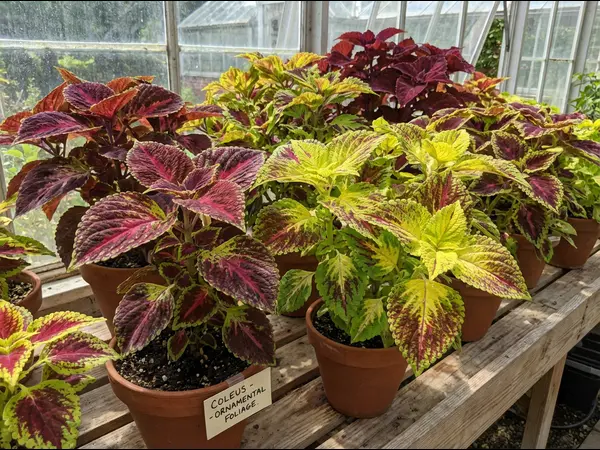
coleus
[koh-lee-uhs]
any of several old world herbs of the mint family that are widely cultivated for their fragrant, often colorful foliage.

fabricate
[fab-ri-keyt]
to devise or invent (a legend, lie, etc.)

ostracism
[os-tra-ism]
exclusion from a group

decorous
[de-cor-ous]
socially proper, appropriate

expectant
[ik-spek-tuhnt]
having expectations; expecting

pitiable
[pit-ee-uh-buhl]
evoking or deserving pity; lamentable; miserable; contemptible
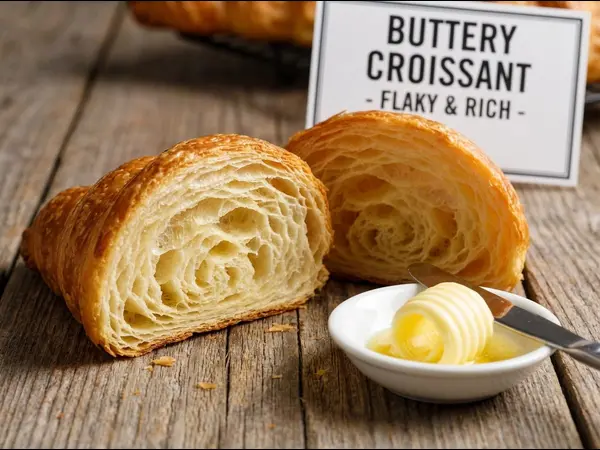
buttery
[buht-er-ee]
having the taste or texture of butter

redoubtable
[ri-dou-tuh-buhl]
that is to be feared; formidable

relish
[rel-ish]
to take pleasure in; like; enjoy

derisive
[d-er-is-iv-e]
expressing ridicule or mockery; scornful in tone or behavior.

waft
[waft]
to carry lightly and smoothly through the air or over water

quell
[kwel]
to suppress; put an end to; extinguish

tiger
[tahy-ger]
a large, wild cat that lives in asia and usually has orange fur with black stripes