bauble
nounDefinition
What Makes This Word Tick
"Bauble" is a delightfully whimsical word that conjures up images of sparkling trinkets and decorative knickknacks. Used to describe small, inexpensive ornaments, especially those that shine and shimmer, it's the kind of word that twinkles just like the decorations it denotes. There's something about "bauble" that evokes the magic of holiday decorations or the allure of a shiny new toy.
If Bauble Were a Person…
Imagine a person who's perpetually fascinated by the tiny wonders of the world. This person would be lively, maybe with a bit of a magpie instinct, drawn to anything that glimmers or catches the light. They'd have a playful spirit and an eye for detail, always ready to add a touch of sparkle to any situation.
How This Word Has Changed Over Time
Originally, "bauble" entered the English language around the 14th century, deriving from the Old French "baubel," meaning a child's toy. Over the centuries, its meaning evolved from referring to a jester's baton decorated with a carved head to its modern sense of any small, showy trinket.
Old Sayings and Proverbs That Use Bauble
There aren't many age-old proverbs specifically featuring the word "bauble," but the term can be wrapped into a discussion of vanity. Think of phrases like "all that glitters is not gold," which warn against being deceived by appearances - a moral the adorably deceptive bauble could well illustrate.
Surprising Facts About Bauble
In the United Kingdom, the word "bauble" enjoys special airtime during the winter holidays, commonly used to describe the bright orbs hung on Christmas trees. Interestingly, these colorful decorations trace back to 16th-century Germany, where apples, wafers, and candies bedecked early Christmas trees.
Out and About With This Word
You're most likely to encounter "bauble" in a bustling holiday market, where vendors peddle shiny objects and festive trinkets. Whether in a boutique or a seasonal display window, baubles add a touch of whimsy and festivity to any space.
Pop Culture Moments Where Bauble Was Used
In pop culture, "bauble" paints scenes of extravagant shopping sprees or holiday festivities. Consider Christmas movies and TV specials where characters gleefully adorn trees or gift each other small, glittering mementos - a justifiable setting for the classic bauble.
The Word in Literature
In literature, "bauble" often serves to contrast something meaningful with something trivial. It might pop up in a novel set during the holiday season or when an author wants to critique society's obsession with appearances over substance.
Moments in History with Bauble
While baubles themselves might not make history, their spirit certainly permeates pivotal moments. Consider the Renaissance court, where jesters twirled baubles to entertain royalty, or 19th-century England, where ornamental trinkets were the height of decorative fashion.
This Word Around the World
Internationally, "bauble" is represented in various forms. In German, the word “Weihnachtskugel” describes Christmas ornaments, while in Japanese, "オーナメント" (oonamento) is a phonetic take of “ornament.” Each culture adds its own spin, often with a festive flair.
Where Does It Come From?
"Bauble" comes from the Old French "baubel," further tracing back to Latin roots connected with playthings. Its playful origin hints at the delight such items continue to evoke, maintaining a thread of light-heartedness through the ages.
How People Misuse This Word
One common misuse might occur when "bauble" is attributed to objects with significant financial or artistic value, contradicting its essence as a deceptively simple, charmingly inexpensive item.
Words It's Often Confused With
- Trinket: While similar, "trinket" also encompasses small decorative items, but "bauble" tends more towards the ornamental.
- Ornament: This term is broader and can include objects beyond the sparkly realm of "baubles."
- Bling: Typically refers to flashy jewelry or accessories, often with a more modern and extravagant connotation.
Additional Synonyms and Antonyms
Synonyms for "bauble" could include trinket, knickknack, or gewgaw. In contrast, an antonym might be an heirloom-something significant in value or meaning-opposites in both stature and sentiment.
Want to Try It Out in a Sentence?
"During the holiday sale, Sarah couldn't resist picking up a handful of colorful baubles to decorate her Christmas tree."
Explore more words

perky
[pur-kee]
jaunty; cheerful; brisk; pert

beset
[bih-set]
to trouble or surround persistently
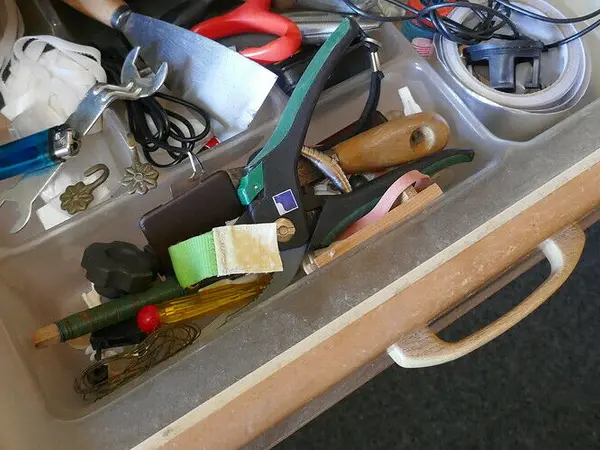
manavelins
[muh-nav-uh-linz]
miscellaneous pieces of gear and material
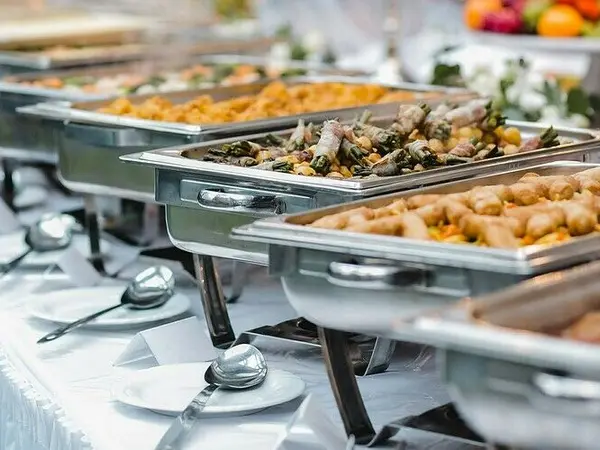
smorgasbord
[smawr-guhs-bawrd]
a buffet meal of various hot and cold hors d'oeuvres, salads, casserole dishes, meats, cheeses, etc.

case
[k-as-e]
a container or situation designed for a specific purpose; also refers to an instance or example.

nomadic
[no-mad-dic]
wandering from place to place
diphthong
[dif-thawng]
a sound formed by the combination of two vowels in a single syllable, in which the sound begins as one vowel and moves toward another (as in coin, loud, and side)

exasperate
[ig-zas-puh-reyt]
to irritate or provoke to a high degree; annoy extremely

deign
[deyn]
to think it appropriate to or in accordance with one's dignity; condescend
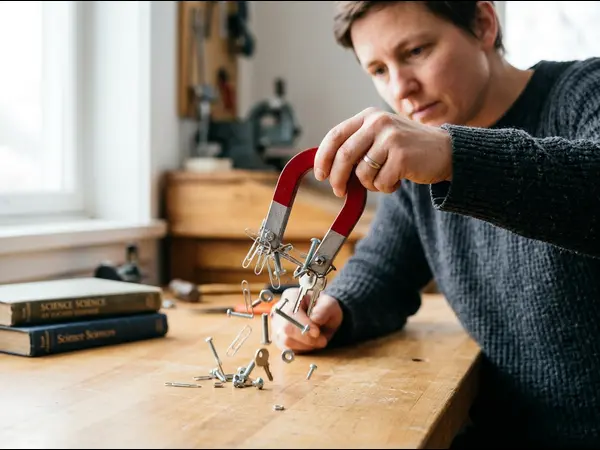
draw
[draw]
to pull or attract something
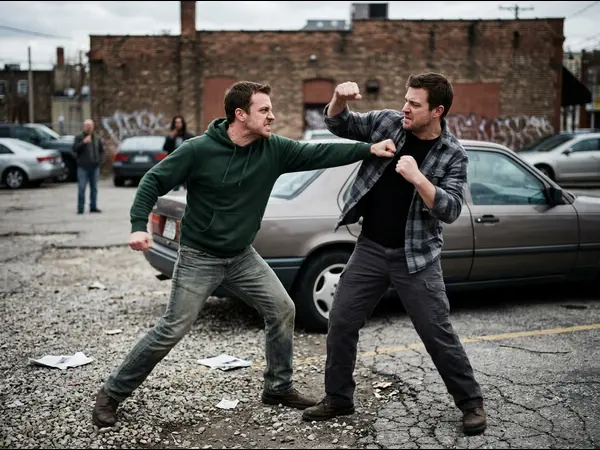
brawl
[br-awl-awl]
a rough or noisy fight or quarrel.

dissemble
[dih-sem-buhl]
to give a false or misleading appearance to; conceal the truth or real nature of

penurious
[puh-noor-ee-uhs]
extremely stingy; parsimonious; miserly
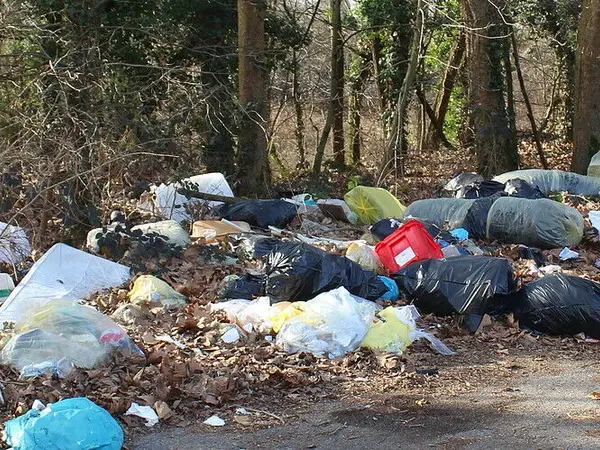
repugnant
[ri-puhg-nuhnt]
in conflict with; incompatible with
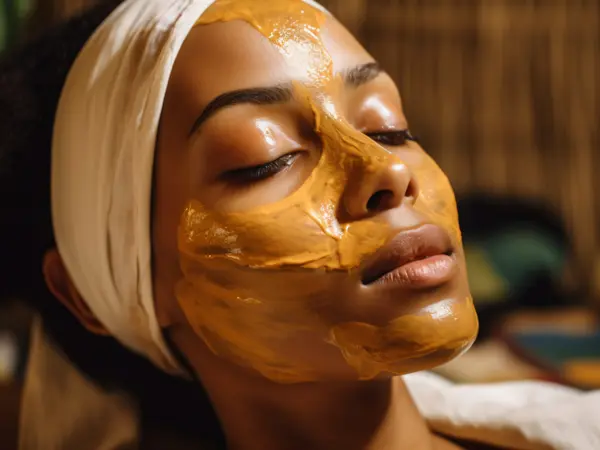
rejuvenate
[rejuvenate]
to make young again; restore to youthful vigor, appearance, etc.

satiate
[sey-shee-eyt]
to supply something with excess, such as disgust or weary