
rapprochement
nounDefinition
What Makes This Word Tick
"Rapprochement" is quite a sophisticated piece of vocabulary. It refers to an establishment or re-establishment of harmonious relations, especially between countries or organizations. You could say it's the diplomat-approved term for a heartwarming reunion or a political "let's be friends" moment.
If Rapprochement Were a Person…
If we envision "rapprochement" as a person, they'd probably be a wise, silver-haired mediator with an impeccable suit and an aura of calm. Someone who swirls wine thoughtfully before suggesting a toast to peace and understanding-all while having a collection of culturally enriching anecdotes.
How This Word Has Changed Over Time
"Rapprochement" maintains a rather steady trajectory through history. Once exclusive to diplomatic circles, the word now hints at reconciliations in everyday settings too, whether it be personal relationships or corporate partnerships. It's as if "rapprochement" has expanded its resume beyond embassies and onto the dinner tables.
Old Sayings and Proverbs That Use Rapprochement
While "rapprochement" might not pop up verbatim in traditional proverbs, the essence of warm reunions can be found in sayings like "burying the hatchet" or "letting bygones be bygones." All of these emphasize a return to harmony.
Surprising Facts About Rapprochement
This French term sauntered into English during the early 19th century, which shows its staying power. It's fascinating how one word manages to elegantly encapsulate the diplomatic finesse required to mend ties without using even a hint of aggression.
Out and About With This Word
"Rapprochement" often makes its appearance in political discourse, business negotiations, and family therapy alike. Whenever there's a need to iron out wrinkles in relationships, this word is likely nearby, patiently and politely suggesting a cup of coffee and a chat.
Pop Culture Moments Where Rapprochement Was Used
You might not hear it in a pop song, but political thrillers and historical dramas use "rapprochement" when depicting moments of nations easing tensions. Think of films or series centered on Cold War espionage or the thawing of relations between estranged companions.
The Word in Literature
"Rapprochement" might find itself nestled in the dense prose of a historical or political novel. It's the kind of word you'd expect in a narrative describing diplomacy or as characters seek reconciliation, weaving an essential narrative of peace and mutual understanding.
Moments in History with Rapprochement
The end of the Cold War is a landmark example of rapprochement between the East and West. It perfectly encapsulates the spirit of easing tensions and fostering a period of renewed cooperation and communication between longstanding adversaries.
This Word Around the World
"Rapprochement" carries a similar sense globally but might be expressed with phrases like "detente" in different cultures. Its roots in French emphasize the universal desire for conflict resolution and peaceful relations across borders.
Where Does It Come From?
Our word friend here comes from the French word "rapprocher," which means "to bring together." This etymology perfectly captures the intent behind this word's usage, urging closer connections and reconciliations.
How People Misuse This Word
Some might use "rapprochement" when they mean any meeting or discussion, when in fact, it's reserved for those special moments of coming together after a period of estrangement or conflict. It's not just about a casual catch-up!
Words It's Often Confused With
- Reconciliation: Often confused due to their identical outcomes, but reconciliation is generally broader.
- Detente: A French word as well, but this specifically refers to easing strained relations, particularly in a political context.
- Peace: While related, "rapprochement" suggests a specific effort to bring parties back together.
Additional Synonyms and Antonyms
- Synonyms: Reconciliation, reunion, harmonization
- Antonyms: Estrangement, conflict, discord
Want to Try It Out in a Sentence?
After years of silence, the family experienced a heartwarming rapprochement at the holiday gathering, reminding everyone of the strength in unity.
Explore more words

consolidate
[kuhn-sol-i-deyt]
to bring together (separate parts) into a single or unified whole; unite; combine

eleemosynary
[el-uh-mos-uh-ner-ee]
relating to charity or almsgiving.

yearning
[yur-ning]
deep longing, especially when accompanied by tenderness or sadness

blithe
[blahyth]
showing a casual and cheerful indifference considered to be callous or improper

deprecate
[dep-ri-keyt]
to express earnest disapproval of
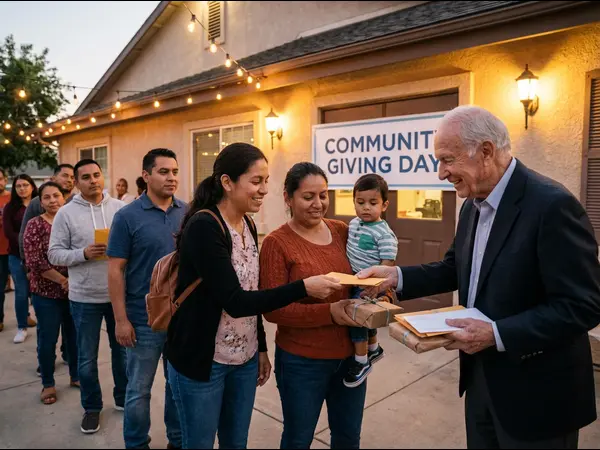
largess
[la-rge-ess]
the generous giving of lavish gifts

wraith
[reyth]
a ghost or ghostlike image of someone, especially one seen shortly before or after their death
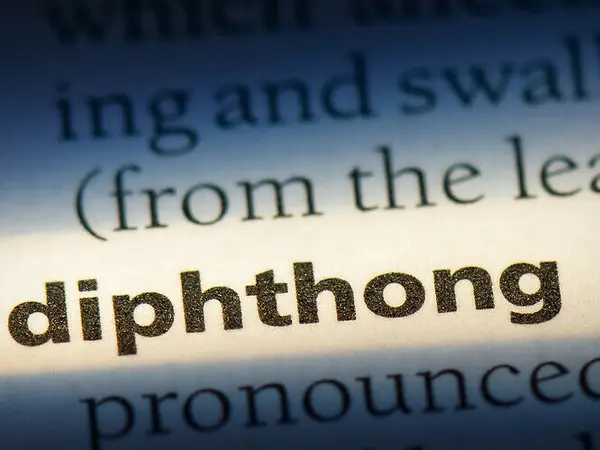
diphthong
[dif-thawng]
a sound formed by the combination of two vowels in a single syllable, in which the sound begins as one vowel and moves toward another (as in coin, loud, and side)

lollygag
[lol-ee-gag]
to spend time idly; loaf

pristine
[pris-teen]
having its original purity; uncorrupted or unsullied

rarity
[r-ar-ity]
the state or quality of being uncommon or unique.

quip
[kwip]
a clever or witty remark or comment

monocracy
[moh-nok-ruh-see]
government by only one person; autocracy

intellect
[in-tuh-lekt]
the ability to think and reason

blemish
[bl-emi-ish]
an imperfection, flaw
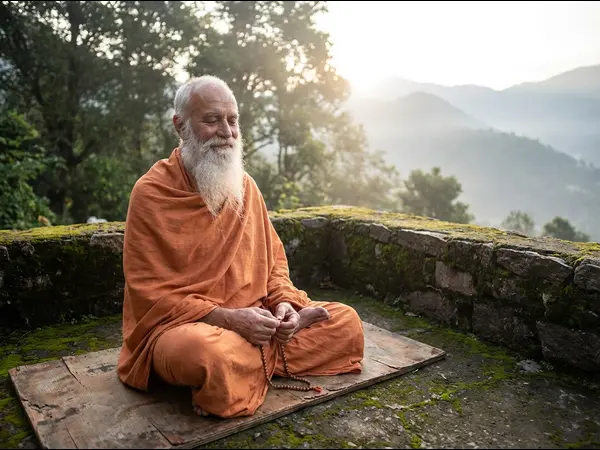
guru
[goo-roo]
a spiritual teacher, especially one who imparts initiation.