pristine
adjectiveDefinition
What Makes This Word Tick
"Pristine" is one of those words that just sounds clean, doesn't it? It's the kind of word that evokes the idea of original purity or untouched nature. Whether you're describing a glistening alpine lake or that new car smell, "pristine" implies immaculateness, as if it's just emerged from its packaging.
If Pristine Were a Person…
If "pristine" were a person, they'd probably be that friend who loves everything to be just so. Their home would be spotless, their clothes impeccably pressed, and they'd never be seen with a hair out of place. You might say, “Pristine never breaks a sweat!
How This Word Has Changed Over Time
Originally, "pristine" had a much broader meaning related to being primitive or ancient. Over time the meaning shifted, and now it's synonymous with being as new and untouched as the day it was born. You might say the word itself has donned a fresh coat of paint.
Old Sayings and Proverbs That Use Pristine
While "pristine" might not pop up in many old proverbs, it embodies the spirit of phrases like "clean as a whistle" or "spotless as a new pin," conveying the idea of untarnished perfection.
Surprising Facts About Pristine
Here's a fun tidbit-"pristine" doesn't just apply to physical objects. It's often used in discussions about natural environments, emphasizing areas that remain unspoiled by human activity. Think of the lushness of a verdant forest untouched by the modern world.
Out and About With This Word
You might find "pristine" featured in travel brochures or real estate descriptions, touting untouched beaches or show-stopping vistas free from blemishes. It's a marketing favorite for anything selling purity or freshness.
Pop Culture Moments Where Pristine Was Used
While "pristine" isn't the most headline-grabbing word, its essence permeates pop culture moments involving discoveries or restorations. Whether it's the unveiling of a perfectly preserved vintage car or the time capsule of a mid-century home, "pristine" pops up to underscore the marvel.
The Word in Literature
In literature, "pristine" might be nestled in serene nature descriptions or woven into settings that highlight untouched beauty. It's a word you could easily imagine catching the eye of a writer penning a romance set amid breathtaking landscapes.
Moments in History with Pristine
Imagine the excitement of early explorers discovering seemingly untouched lands-moments when the world was perceived as pure and pristine. While perhaps not historically spoken, the spirit of pristine captured those "new world" fascinations.
This Word Around the World
Globally, "pristine" translates into concepts of purity and cleanliness. In other languages, it often captures similar ideas-be it "pur" in French or "kauai" in Hawaiian, meaning an untouched natural state. Interestingly, it's a universal desire for many cultures.
Where Does It Come From?
"Pristine" traces back to the Latin "pristinus," meaning original or former. Evolving from ancient roots, it's cultivated a modern appeal linked more to cleanliness than antiquity.
How People Misuse This Word
Sometimes, people use "pristine" to exaggerate cleanliness in casual settings-say, post-spring-cleaning, when it might not quite hit the mark of untouched perfection, but close enough for comfort!
Words It's Often Confused With
- Pure: Both imply cleanliness, but "pure" can refer to anything unmixed or uncontaminated.
- Untouched: Though similar, "untouched" emphasizes lack of interference rather than a state of cleanliness.
- Flawless: More about lack of defects than cleanliness or originality.
Additional Synonyms and Antonyms
Synonyms for "pristine" include immaculate, unspoiled, and virgin. Antonyms would be tarnished, corrupted, and defiled.
Want to Try It Out in a Sentence?
Sure! How about: "After the overnight snowfall, the garden was a pristine wonderland, untouched by footprints."
Explore more words

fortuitous
[fawr-too-i-tuhs]
happening or produced by chance; accidental
wraith
[reyth]
a ghost or ghostlike image of someone, especially one seen shortly before or after their death

haboob
[huh-boob]
a thick dust storm or sandstorm that blows in the deserts of North Africa and Arabia or on the plains of India

pretermit
[pree-ter-mit]
to let pass without notice; disregard

methodical
[m-eth-od-ik-al]
done in an orderly, systematic, or logical way.

penurious
[puh-noor-ee-uhs]
extremely stingy; parsimonious; miserly
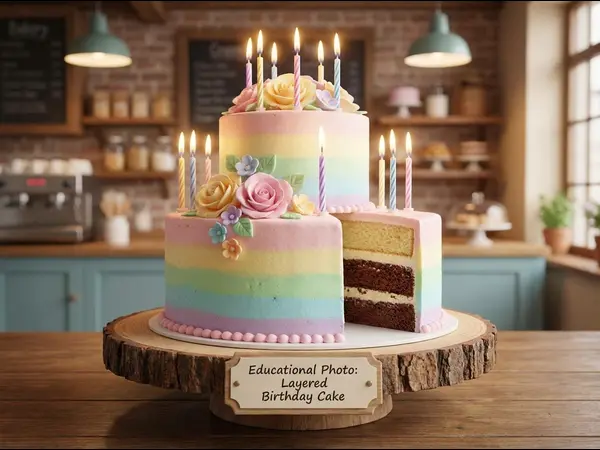
cake
[k-ak-e]
a baked dessert, typically sweet, made with flour, sugar, and other ingredients.

dilute
[dih-loot]
to make less concentrated ; to diminish the strength or flavor of something.
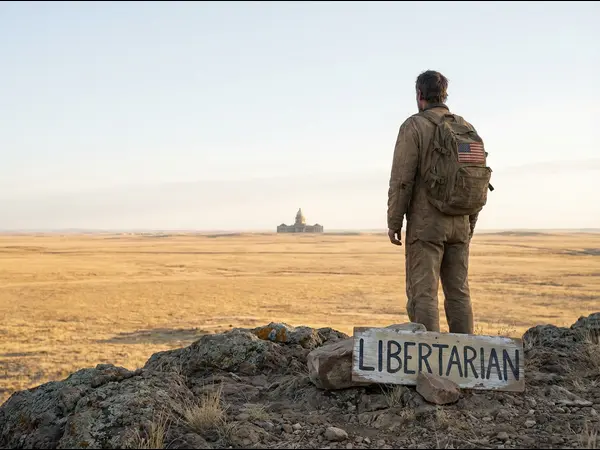
libertarian
[li-ber-ian]
advocating principles of liberty and free will

saga
[sah-guh]
a long, involved story or series of events

bewitched
[b-ew-itch-ed]
enchanted or under a magical spell; also refers to being captivated or charmed.

contrived
[kuhn-trahyvd]
obviously planned or forced; artificial; strained

supplicate
[suhp-li-keyt ]
to pray humbly; make humble and earnest entreaty or petition

exculpate
[eks-kul-payt]
to clear from blame or guilt
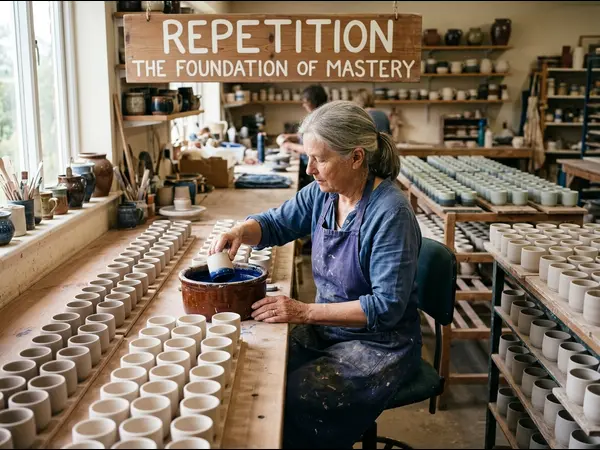
repetition
[r-ep-et-ishun]
the act of doing, saying, or showing something again, often to emphasize or reinforce.

mammonism
[mam-uh-niz-uhm]
the greedy pursuit of riches