rarity
nounDefinition
What Makes This Word Tick
Rarity is the state or quality of being uncommon or unique, emphasizing how seldom something shows up. It fits when the main point is “you don’t see this often,” whether the thing is valuable, surprising, or simply unusual. Compared with uniqueness, rarity leans more on scarcity and frequency than on one-of-a-kind identity.
If Rarity Were a Person…
Rarity would be the person who appears once in a great while and instantly becomes the story of the day. They don’t need attention—their absence most of the time creates it. Being around them feels like catching a glimpse of something you might not see again.
How This Word Has Changed Over Time
Rarity has stayed anchored to the idea of uncommonness, continuing to describe things that are scarce or seldom encountered. Modern usage still treats it as a measure of how unusual something is in the world around us.
Old Sayings and Proverbs
A proverb-style idea that matches rarity is that what is scarce often draws extra attention and desire. This reflects the meaning because rarity is about uncommonness, and uncommon things tend to feel more noticeable precisely because they aren’t everywhere.
Surprising Facts
Rarity can suggest value, but it doesn’t guarantee it; the word itself only promises “uncommon,” not “worth a fortune.” It’s also a flexible noun: it can describe an object, a trait, or even an event that seldom happens. In writing, it can quietly raise the stakes by hinting that an opportunity might not return soon.
Out and About With This Word
You’ll see rarity in collecting, descriptions of unusual finds, and everyday talk about something that happens infrequently. It’s especially common when someone wants to underline how exceptional a thing feels simply because it’s not common.
Pop Culture Moments Where Rarity Was Used
In pop culture, the idea of rarity shows up in stories about prized objects, once-in-a-lifetime chances, or unusual talents that set someone apart. That fits the definition because the plot treats the thing as uncommon, and its scarcity shapes decisions and conflict.
The Word in Literature
In literary writing, rarity can create a mood of wonder or urgency by suggesting something is seldom seen and therefore worth noticing. Authors use it to spotlight a detail without over-explaining: the word itself signals “this is not everyday.” For readers, it often adds a sense of preciousness, surprise, or fleeting opportunity.
Moments in History with Rarity
Throughout history, rarity matters whenever scarcity affects choices—limited resources, hard-to-find materials, or unusual occurrences that people mark and remember. This connects to the definition because the key feature is being uncommon, and uncommon things often shape value, behavior, and attention.
This Word Around the World
Many languages express this idea with nouns meaning scarcity, uncommonness, or “something rare,” sometimes using different terms for rarity in frequency versus rarity in uniqueness. The shared meaning is simple: not common.
Where Does It Come From?
The etymology line provided for rarity doesn’t connect cleanly to the modern meaning in a way that can be expanded safely here. What remains secure is the current sense: the quality of being uncommon or unique.
How People Misuse This Word
Rarity is sometimes used as if it automatically means valuable, but the word only means uncommon. If you specifically mean high value, prized or valuable should be stated directly.
Words It’s Often Confused With
Rarity is often confused with uniqueness, but rarity is about uncommonness and frequency, while uniqueness is about being one-of-a-kind. It can also overlap with scarcity, though scarcity often emphasizes limited supply and need, while rarity can be purely descriptive.
Additional Synonyms and Antonyms
Additional Synonyms: rareness, singularity, exceptionality Additional Antonyms: ubiquity, normality, prevalence
Want to Try It Out in a Sentence?
"The antique vase was a rare rarity, sought after by collectors."
Explore more words

cunctation
[kuhngk-tey-shuhn]
lateness; delay

enunciate
[ih-nuhn-see-eyt]
to state or declare definitely, as a theory
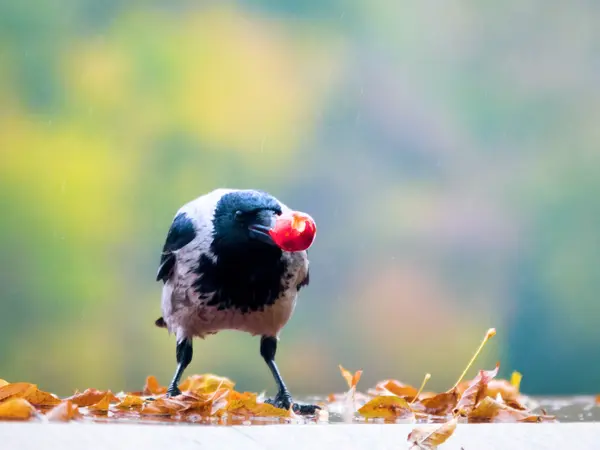
forage
[fawr-ij]
to search about; seek; rummage; hunt

submerged
[suhb-murjd]
plunged into water or other fluid.

collude
[kuh-lood]
to act together through a secret understanding, especially with evil or harmful intent
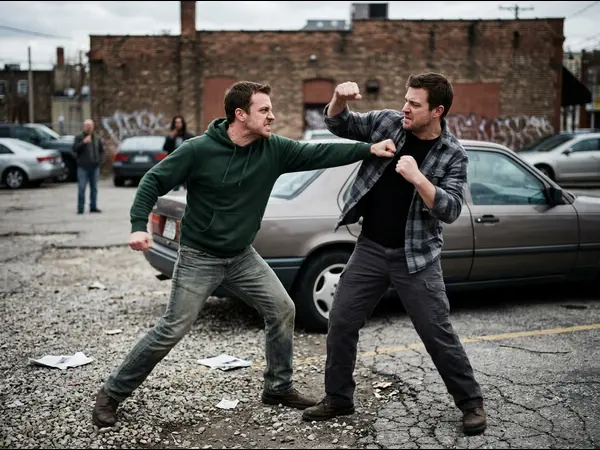
brawl
[br-awl-awl]
a rough or noisy fight or quarrel.

legerdemain
[lej-er-duh-meyn]
sleight of hand; trickery

bauble
[baw-buhl]
a showy, usually cheap, ornament; trinket; gewgaw

scurrilous
[skur-uh-luhs]
humorously insulting

diaphanous
[dahy-af-uh-nuhs]
very sheer and light; almost completely transparent or translucent

effortlessly
[ef-ert-lis-lee]
in a way that requires little or no effort.

picayune
[pik-ee-yoon]
of little value or account; small; trifling

cabal
[kuh-bal]
a clique, as in artistic, literary, or theatrical circles

blithe
[blahyth]
showing a casual and cheerful indifference considered to be callous or improper

ordinal
[awr-dn-uhl ]
of or relating to order, rank, or position in a series

amorphous
[uh-mawr-fuhs]
without a clearly defined shape or form; lacking a clear structure or focus