quip
noun, nounDefinition
What Makes This Word Tick
"Quip" is a zippy little word, isn't it? It rolls off the tongue with a quickness that reflects its meaning. A quip is a witty remark or a clever, often humorous, observation designed to amuse or provoke. It suggests a nimble mind and sharp tongue, perfect for those who enjoy a little verbal sparring.
If Quip Were a Person…
Imagine Quip as a quick-witted individual at a dinner party. They're the person who effortlessly lightens the mood with a sly comment or an unexpected punchline. This character possesses charm in spades, never missing an opportunity to slip in a clever retort, leaving others in stitches or deep thought.
How This Word Has Changed Over Time
Originally from the early 16th century, quip has kept its core meaning intact, proving that the value of quick wit is timeless. While its usage might have evolved with language trends, the essence of a quip-short, clever, and amusing-hasn't wavered much through centuries.
Old Sayings and Proverbs That Use Quip
There aren't many ancient proverbs featuring the word "quip," but its nature aligns beautifully with the saying, "Brevity is the soul of wit." Indeed, quips exemplify the art of being concise yet impactful, making more out of less with a well-aimed jest.
Surprising Facts About Quip
Did you know that "quip" was once spelled as "quippe"? Thankfully, the extra letters were tossed aside for a more streamlined version that matches the word's snappy personality. Quips have a unique ability to bridge the gap between humor and criticism, often hitting the nail on the head with precision.
Out and About With This Word
You'll often find quips in the world of comedy, theater, and politics. Wherever wit and charisma are called for, quips are there to aid the sharp-talking. They're the life of any social gathering, lightening the mood and fostering good-natured banter.
Pop Culture Moments Where Quip Was Used
In the realm of cinema and television, the masters of quip include characters like Tony Stark from the "Iron Man" films or Chandler Bing from "Friends." These figures are famed for their clever remarks that keep audiences engaged and entertained.
The Word in Literature
Quips abound in literature, especially in the works of authors like Oscar Wilde and Jane Austen, known for their razor-sharp observations on society. Wilde's plays, in particular, are treasure troves of quips-where a well-worded joke often serves as social commentary.
Moments in History with Quip
The realm of politics has its fair share of historical quips. Winston Churchill, for instance, was famous for his quick wit and often used quips to disarm or illuminate during his time as British Prime Minister, making pointed and memorable remarks on the spot.
This Word Around the World
Though the word "quip" may not translate directly, the concept of a quick, witty remark is universal. In French, a similar word might be "boutade," and in Italian, "battuta" fits the bill, both conveying humor and astuteness.
Where Does It Come From?
The word “quip” originated from the Latin "quippe," meaning indeed or of course, before it stepped into the limelight of the English language. It's as if the word itself knew its own cleverness from the start.
How People Misuse This Word
People sometimes confuse quips with sarcasm or insults. While a quip can be cutting, its fundamental nature is grounded in cleverness rather than cruelty, focusing more on quick humor than harsh critique.
Words It's Often Confused With
- Joke: While all quips are jokes, not all jokes have the sharp brevity of a quip.
- Remark: A remark is any statement, while a quip specifically aims for wit.
- Jest: Like a quip, a jest is humorous, but it can be longer and more narrative.
Additional Synonyms and Antonyms
Synonyms for quip include jest, witticism, saying, and bon mot. Antonyms could be lecture, explanation, or dissertation-those lengthy words that aren't nearly as fun at parties.
Want to Try It Out in a Sentence?
Dodging the tense conversation, Jane lightened the mood with a perfectly timed quip, transforming awkward silence into laughter.
Explore more words

hygge
[hoog-uh]
(especially in reference to the Danish lifestyle) the feeling of coziness and contentment evoked by simple comforts, as being wrapped in a blanket, having good conversations, enjoying food, etc.

alluring
[uh-loor-ing]
powerfully attractive or charming

brain-teaser
[brayn-tee-zer]
a challenging puzzle or problem requiring thought to solve

chthonic
[tha-nik]
of or relating to the deities, spirits, and other beings dwelling under the earth

bewitched
[b-ew-itch-ed]
enchanted or under a magical spell; also refers to being captivated or charmed.

pulchritude
[puhl-kri-tood]
physical beauty; comeliness

malapropism
[mal-uh-prop-iz-uhm]
an act or habit of misusing words ridiculously, especially by the confusion of words that are similar in sound

boastful
[b-oastf-ul]
showing excessive pride or self-satisfaction in one’s achievements or possessions.
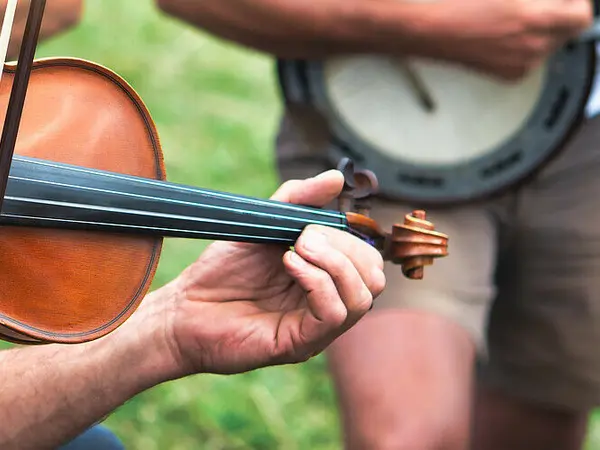
hootenanny
[hoot-n-an-ee, hoot-nan-ee]
a social gathering or informal concert featuring folk singing and, sometimes, dancing

perky
[pur-kee]
jaunty; cheerful; brisk; pert

persnickety
[per-snik-i-tee]
overparticular; fussy

writhe
[rahyth]
to twist or contort the body in pain or discomfort

verisimilitude
[ver-uh-si-mil-i-tood]
the appearance of truth; the quality of seeming to be true

condign
[kuhn-dahyn]
well-deserved; fitting; adequate

schmooze
[shmooz]
to chat idly; gossip

cheered
[cheerd]
filled with gladness or encouragement