
largess
nounDefinition
What Makes This Word Tick
Largess means the generous giving of lavish gifts—an openhandedness that feels abundant, sometimes even showy. It usually suggests not just giving, but giving in a way that stands out for its scale or generosity. Compared with simple generosity, largess often carries a sense of grandeur or bounty.
If Largess Were a Person…
Largess would be the host who insists everyone leave with something—no empty hands allowed. They give warmly and big, like it’s their natural language. Their generosity feels like a feast: more than enough, with room for extra.
How This Word Has Changed Over Time
Largess has kept its core meaning of lavish generosity, often tied to gifts or donations. The word still feels slightly formal and old-fashioned in tone, which can make generosity sound ceremonial or grand. Its meaning stays stable because it names a very specific style of giving: abundant and notable.
Old Sayings and Proverbs
A proverb-style idea that matches largess is that generosity can create loyalty and goodwill when it’s freely given. That reflects the definition because lavish giving often changes relationships and reputations quickly.
Surprising Facts
Largess often appears when the giving is notable enough to be commented on—more than routine kindness. It can carry a positive glow, but depending on context it can also hint at display or strategic generosity. The word’s sound itself feels expansive, which matches the idea of abundant giving.
Out and About With This Word
You’ll see largess in descriptions of philanthropy, wealthy patrons, awards, or any situation where gifts are large and memorable. It’s also used when someone’s generosity becomes part of their public image. The word fits best when the giving is both generous and lavish, not merely polite.
Pop Culture Moments Where Largess Was Used
In pop culture, largess often shows up around benefactors and patrons—characters who shower others with gifts, sponsorships, or lavish support. That matches the definition because the giving is abundant and noticeable, sometimes changing the balance of power. It’s a quick way to show wealth, influence, and generosity in the same breath.
The Word in Literature
In literature, largess is a useful word for depicting generosity with a sense of scale and social meaning—gifts that reshape relationships or signal status. Writers may use it to suggest bounty, patronage, or even a calculated kind of giving. For readers, the word often implies that the generosity is too large to be ignored.
Moments in History with Largess
Historically, largess fits contexts where leaders, patrons, or institutions give lavish gifts or donations to build goodwill, loyalty, or legacy. The concept matches the definition because the giving is abundant and meant to be felt. Even without naming events, many societies have used public generosity to shape reputation and influence.
This Word Around the World
Across languages, this idea is often expressed through words for lavish generosity, bounty, or munificence—giving that feels abundant rather than minimal. Many languages keep a distinct term for “big, notable giving” versus everyday kindness.
Where Does It Come From?
The inventory traces largess through Old French to a Latin root meaning “abundant,” which lines up neatly with the idea of lavish giving. The origin supports the feeling of plenty—generosity that comes with a sense of overflow.
How People Misuse This Word
Largess is sometimes used as if it meant any generosity, but it’s strongest when the giving is lavish and notable. If someone donates a small amount or performs routine kindness, generosity may be a better fit.
Words It’s Often Confused With
Largess is often confused with generosity, but generosity can be ordinary while largess suggests lavish scale. It also overlaps with charity, though charity emphasizes helping those in need, while largess emphasizes the abundant giving itself. Munificence is close in meaning, but it’s more formal and less commonly used.
Additional Synonyms and Antonyms
Additional Synonyms: bounty, munificence, liberality, openhandedness Additional Antonyms: stinginess, miserliness, tightfistedness, parsimony
Want to Try It Out in a Sentence?
"My boss demonstrated great largess by giving me a new car."
Explore more words

deliberately
[dih-lib-er-it-lee]
in a slow, unhurried, and steady manner.
flowery
[flow-er-ee]
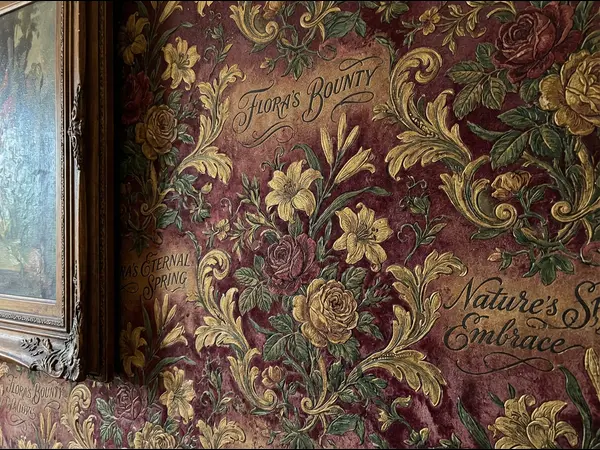
decorated with flowers; overly elaborate in style

deplete
[dih-pleet]
to decrease seriously or exhaust the abundance or supply of

endemic
[en-dem-ik]
natural to or characteristic of a specific people or place; native; indigenous

clangor
[klang-er]
a loud, resonant sound

nettle
[net-l]
to irritate, annoy, or provoke

monocracy
[moh-nok-ruh-see]
government by only one person; autocracy

cherubic
[chuh-roo-bik]
of or having the nature of a cherub, or an angel represented as a rosy-cheeked child with wings; angelic

unload
[unl-oad]
to remove goods, cargo, or burdens from a vehicle, container, or person.

phyllo
[fee-loh]
flaky, tissue-thin layers of pastry used in baked desserts and appetizers

impetuous
[im-pech-oo-uhs]
acting or done quickly and without thought or care

pretend
[pr-et-end]
to act as if something is true when it is not; also refers to make-believe behavior.

commemorate
[kuh-mem-uh-reyt]
to serve as a memorial or reminder of

tintinnabulation
[tin-ti-nab-yuh-ley-shuhn]
the ringing or sound of bells

spontaneous
[sp-ont-an-eous]
arising naturally or without premeditation; impulsive or unplanned.
repetition
[r-ep-et-ishun]
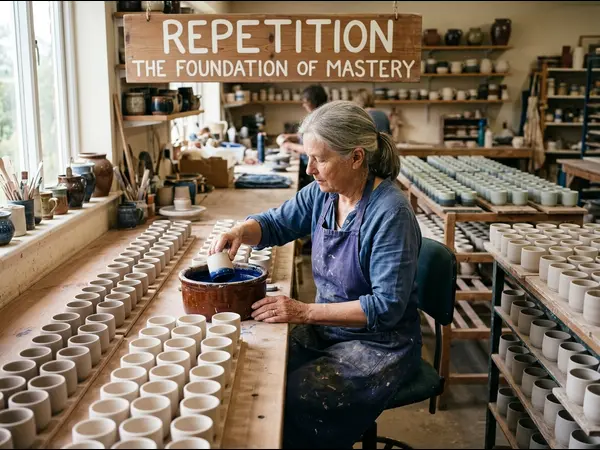
the act of doing, saying, or showing something again, often to emphasize or reinforce.