plethora
nounDefinition
What Makes This Word Tick
"Plethora" is the kind of word that rolls off the tongue with delightful precision. It connotes an overabundance or excess, often hinting at something larger than necessary. It's the polka-dot bow tie of words-sophisticated yet cheeky enough to charm its way into conversations.
If Plethora Were a Person…
Plethora would be that friend who always brings too much food to a potluck-eager to please and generous to a fault. They'd insist on sharing their expansive knowledge on every topic, from gardening tips to jazz history.
How This Word Has Changed Over Time
Originally, "plethora" began its journey in the medical field. In ancient Greek, it meant an overabundance of bodily fluids-quite different from today's usage! Over time, it wandered into everyday language, shedding its medical robe to bask in the broader sense of excess.
Old Sayings and Proverbs That Use Plethora
While the term "plethora" itself doesn't commonly feature in classic proverbs, the idea of "too much of a good thing" certainly rings familiar. It's akin to those old adages warning against overindulgence and excess in all things.
Surprising Facts About Plethora
A lesser-known delight is the plethora of animals it takes for a word to survive: A parliament of owls, a murder of crows, and yes, a plethora of phrases. This word has even staged a 'pop' comeback after being notably popular in 1980s TV shows.
Out and About With This Word
In daily life, "plethora" often struts into scenarios amidst an abundance of options-think menu choices or travel destinations. It's the perfect expression when you're overwhelmed at a buffet or knee-deep in a garden of wildflowers.
Pop Culture Moments Where Plethora Was Used
Who could forget El Guapo's query in "The Three Amigos"? The fictional villain is remembered for fretting over a “plethora” of pinatas. Thanks to lines like these, the word has cemented its place in pop culture, reinforcing its playful edge.
The Word in Literature
In literature, plethora often paints the scenery with words, adding to the richness of description. Jane Austen might have used it to slyly critique a character's excessive wardrobe. It's a word that lavishes detail, evoking vivid imagery.
Moments in History with Plethora
Imagine Marie Antoinette, faced with her cake conundrum, would have recognized a plethora of desserts at Versailles! Though not present in quotes, it's a fitting word for describing decadently historical moments.
This Word Around the World
While "plethora" is distinctly English, its essence translates globally. In Spanish, it becomes "plétora," while many languages have their own expressions capturing the spirit of excess, like the Italian "abbondanza."
Where Does It Come From?
The word is rooted in Greek origins, specifically "plēthōrē," meaning ‘fullness.' This term drifted into Late Latin before paddling its way into 16th-century medical jargon, modeling the linguistic journey of adapting old wisdom into modern lexicon.
How People Misuse This Word
People sometimes toss plethora into conversations just to sound fancy, even when simpler words suffice. It's meant to depict something positively overflowing, not just a mere ‘ample' amount.
Words It's Often Confused With
- Surplus: Often implies leftover or unused items rather than a simple excess.
- Abundance: A more neutral term, lacking the nuance of "too much."
- Profusion: Emphasizes a large quantity but lacks the overtone of overabundance.
Additional Synonyms and Antonyms
Synonyms for "plethora" include "superfluity," "excess," and "surfeit." Antonyms would be "scarcity," "shortage," and "paucity."
Want to Try It Out in a Sentence?
There was a plethora of sandwiches at the family reunion, reminding everyone of Aunt Martha's tendency to prepare for an army.
Explore more words

innate
[ih-neyt]
existing in one from birth; inborn; native

forestall
[fohr-stawl]
to prevent, hinder, or thwart by action in advance

confabulate
[kuhn-fab-yuh-leyt]
to converse informally; chat
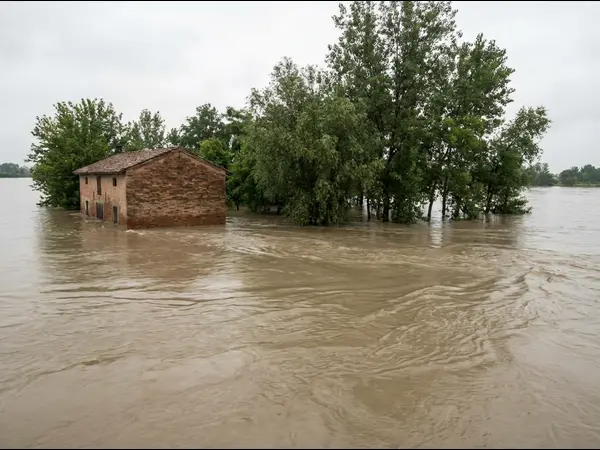
engulf
[en-guhlf]
to flow over and enclose; to overwhelm.
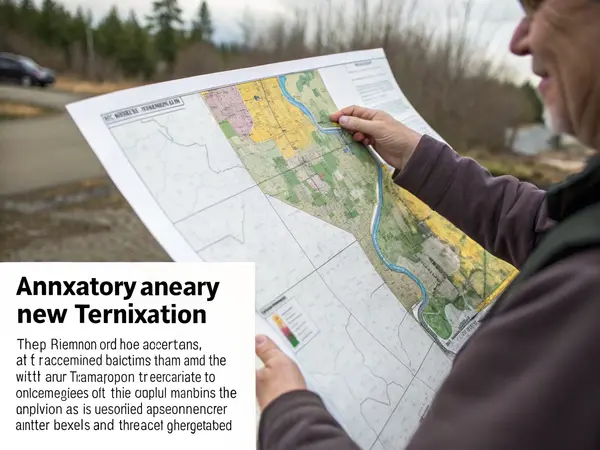
annexing
[an-ek-sing]
to add or attach something, especially territory

brain-teaser
[brayn-tee-zer]
a challenging puzzle or problem requiring thought to solve

blatant
[bleyt-nt]
brazenly obvious; flagrant

disrespectful
[dis-ri-spekt-fuhl]
showing a lack of respect

horizon
[hih-rai-zun]
the line at which the earth's surface and the sky appear to meet.

marital
[mar-i-tl]
of or relating to marriage; conjugal; matrimonial

entreat
[en-treet ]
to ask (a person) earnestly; beseech; implore; beg

stalactite
[stuh-lak-tahyt]
a deposit, usually of calcium carbonate, shaped like an icicle, hanging from the roof of a cave or the like, and formed by the dripping of percolating calcareous water
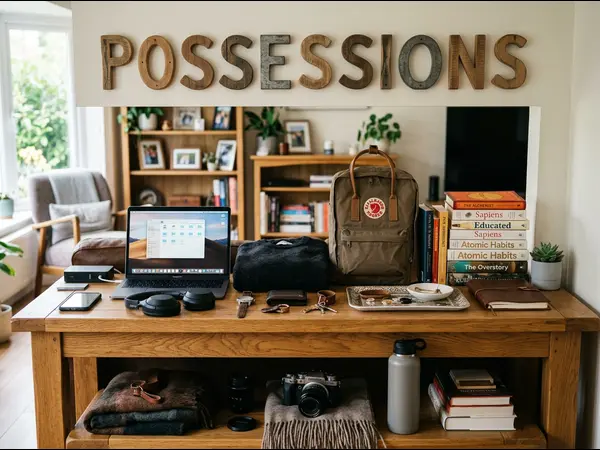
possessions
[puh-zesh-uns]
items that someone owns

annihilate
[uh-nahy-uh-leyt]
to reduce to utter ruin or nonexistence; destroy utterly
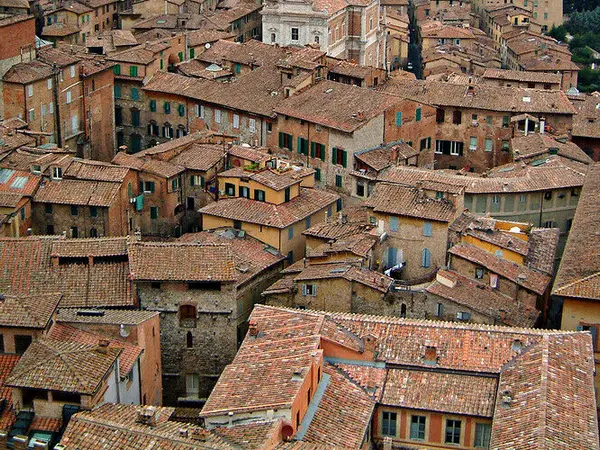
sienna
[see-en-uh]
the color of such a pigment

ostracism
[os-tra-ism]
exclusion from a group