ellipsis
nounDefinition
What Makes This Word Tick
Ellipsis refers to leaving out words that are understood from context, even though the full wording would be needed for complete grammar. It’s a concept in how language can be economical without losing meaning. It can also connect to the punctuation mark that signals omission or a trailing pause, but the core idea is what’s missing—and how readers still “get it.”
If Ellipsis Were a Person…
Ellipsis would be the person who starts a sentence, smiles, and lets you fill in the rest. They trust the room to understand what’s implied. Their style is quiet and suggestive, leaving space on purpose.
How This Word Has Changed Over Time
Ellipsis has remained tied to omission in language, especially where meaning can be recovered from context. In modern writing, it’s closely associated with the punctuation mark that visually represents that omission or pause.
Old Sayings and Proverbs
A proverb-style idea that fits is that what’s left unsaid can still be understood. That matches ellipsis because the whole point is omission that the reader supplies mentally.
Surprising Facts
Ellipsis can describe a grammar move (leaving words out) and, in many contexts, the punctuation mark used to show that kind of omission or a trailing pause. It’s a reminder that language comprehension relies heavily on context, not just complete sentences. Because it’s a technical term, it can make writing discussions feel more precise.
Out and About With This Word
You’ll often see ellipsis in writing and editing contexts, grammar lessons, and discussions about punctuation and style. It also appears when people talk about dialogue or texts that trail off or imply something without spelling it out.
Pop Culture Moments Where Ellipsis Was Used
In pop culture storytelling, ellipsis-like moments happen when a character leaves a sentence unfinished or a message trails off, creating suspense or subtext. It reflects the definition because the meaning is partly supplied by the audience from what’s implied.
The Word in Literature
In literary writing, ellipsis is often used to create subtext, hesitation, or a sense of something withheld. It can make dialogue feel more human by letting characters imply rather than explain, and it can speed narration by omitting predictable wording. The reader becomes an active participant, filling in what’s missing from context.
Moments in History with Ellipsis
Throughout history, the concept appears in rhetoric, writing, and record-keeping where brevity matters and shared context allows omission. It fits because ellipsis is a tool for efficiency and implication, shaping how messages are delivered when space, time, or style encourages leaving words out.
This Word Around the World
Many languages use the same idea—omitting understood words—and often have a term for it in grammar or rhetoric. In writing systems that use similar punctuation, the visual mark for trailing omission is also widely recognized.
Where Does It Come From?
Ellipsis comes from Greek roots associated with leaving out or falling short, which matches its meaning in grammar: words are omitted but understood. That origin helps explain why the term feels technical and precise, naming a specific kind of omission rather than vagueness.
How People Misuse This Word
Ellipsis is sometimes used to mean “three dots” only, but the term also refers to the broader idea of omission in language. Another mix-up is using ellipses so often that meaning becomes unclear; true ellipsis still relies on what’s obviously understood.
Words It’s Often Confused With
Ellipsis is often confused with an em dash pause, but an em dash breaks or redirects a sentence without necessarily implying omitted words. It’s also close to omission in general, but ellipsis is a specific kind where the missing words are understood and grammatically supplyable. “Trailing off” overlaps in effect, but ellipsis is the technical label for the omission pattern.
Additional Synonyms and Antonyms
Additional Synonyms: elision, abridgment, suppression, excision Additional Antonyms: explicitness, completeness, full wording, elaboration
Want to Try It Out in a Sentence?
"She used an ellipsis to indicate a pause in her writing."
Explore more words

complacency
[kuhm-pley-suhn-see ]
a feeling of quiet pleasure or security, often while unaware of some potential danger, defect, or the like; self-satisfaction or smug satisfaction with an existing situation, condition, etc.

estranged
[ih-streynjd]
no longer in a friendly or affectionate relationship with a family member or friend, and typically living apart

renowned
[ri-nound]
celebrated; famous
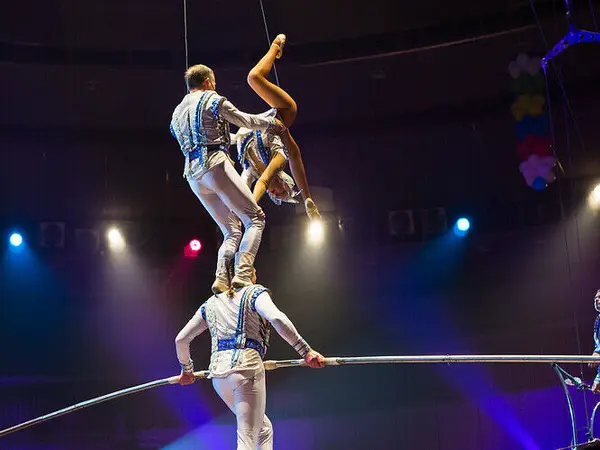
funambulist
[fyoo-nam-byuh-list]
a tightrope walker

afford
[af-for-ord]
have enough money to pay for.

apparel
[uh-par-uhl]
clothing or garments

skittish
[skit-ish]
restlessly or excessively lively

spurn
[spurn]
to reject with disdain; scorn

tiger
[tahy-ger]
a large, wild cat that lives in asia and usually has orange fur with black stripes

corroborate
[kuh-rob-uh-reyt]
confirm or give support to (a statement, theory, or finding)
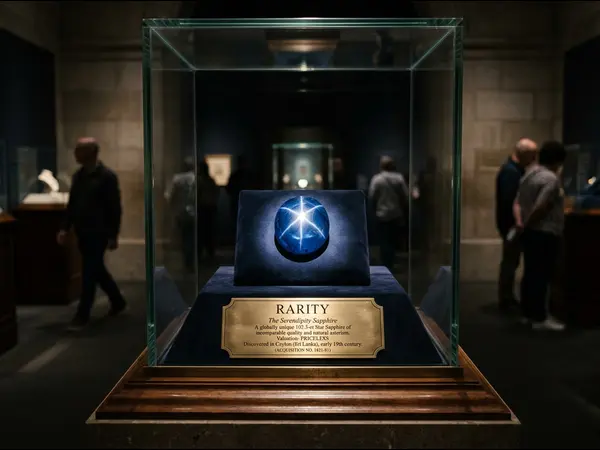
rarity
[r-ar-ity]
the state or quality of being uncommon or unique.
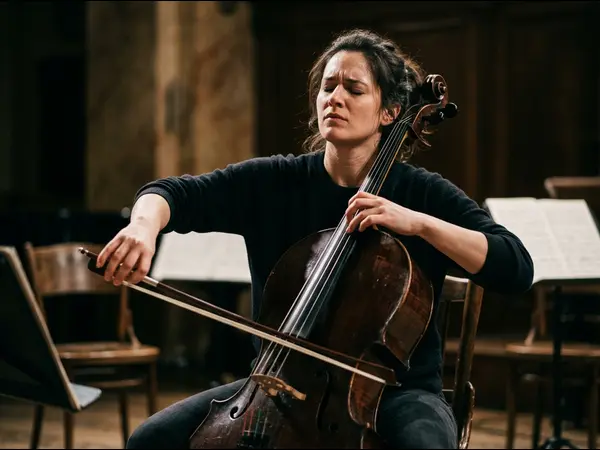
passion
[p-aszhun]
intense emotion, enthusiasm, or desire, often for something or someone.
diphthong
[dif-thawng]
a sound formed by the combination of two vowels in a single syllable, in which the sound begins as one vowel and moves toward another (as in coin, loud, and side)

daily
[d-aily]
occurring every day or on a routine basis.

mercurial
[mer-kyoor-ee-uhl]
changeable; volatile; fickle; flighty; erratic

camaraderie
[kah-muh-rah-duh-ree]
mutual trust and friendship among people who spend a lot of time together