peacock
verbDefinition
What Makes This Word Tick
Ah, the word "peacock" - it practically struts with flair, doesn't it? While we commonly use it to refer to the male of the peafowl species, it also evokes images of vibrant colors and ostentatious displays. This word embodies a mix of nature's artistry and a hint of vanity that's hard to ignore.
If Peacock Were a Person…
Imagine a person who enters a room with a brilliant smile and an outfit that puts the rest of us to sartorial shame. They would be the life of the party, delighting in both attention and admiration. Their stories might be a tad exaggerated, but who could resist such captivating tales?
How This Word Has Changed Over Time
The term "peacock" has strutted its way through the English language since at least the 14th century. Originally used strictly to describe the bird, over the centuries it has taken on metaphorical meanings relating to showiness and pride. It's a word that has held its feathers high through the ages.
Old Sayings and Proverbs That Use Peacock
"When the peacock dances, its screech cannot be ignored." This saying reminds us that while someone might look pleasing, their flaws are hard to miss. Unfortunately, our dear peacock has yet to star prominently in English proverbs, but it certainly calls to mind the importance of not being swayed by appearances alone.
Surprising Facts About Peacock
Did you know a group of peacocks is called a "party"? This is oddly fitting given their penchant for showing off. Also, these flamboyant birds can fly, although it's usually just to navigate their immediate domains or reach a limb for a better view of an admiring audience below.
Out and About With This Word
From fashion to film, "peacock" finds its place. Whether describing a dazzlingly intricate dress or a particularly flamboyant performance, it's a word for those special moments when "average" just won't do.
Pop Culture Moments Where Peacock Was Used
Peacocks have strutted across our screens in various forms. In the world of television, NBC's vibrant peacock logo is an iconic use case. And in the classic cartoon "The Road Runner Show," a peacock-like character flamboyantly pops up in the opening credits.
The Word in Literature
From poetry to novels, "peacock" is a favorite for authors who wish to paint pages with imagery of beauty and vanity. Its presence graces the works of Oscar Wilde and F. Scott Fitzgerald, where it often symbolizes opulence and superficial glamour.
Moments in History with Peacock
The elaborate Peacock Throne of the Mughal emperors was a marvel of its time, with its name a nod to opulence. Its jeweled magnificence symbolized the wealth and power of rulers who loved nothing more than a grand show.
This Word Around the World
In India, where peacocks are native and revered, the bird symbolizes grace, beauty, and the divine. Meanwhile, in some European folklore, peacock feathers sometimes bring superstitions of bad luck, given their legendary association with pride.
Where Does It Come From?
"Peacock" traces its linguistic lineage back to the Old English "pēacoc," derived from Latin "pavo" and Greek "taos," meaning "peafowl." This etymological journey highlights its enduring cultural and decorative significance across civilizations.
How People Misuse This Word
Folks sometimes use "peacock" when referring to peahens, the females, or even the whole group, peafowl. It's like referring to all lions as “lions” when, in fact, you meant the total pride - it's close but not quite right.
Words It's Often Confused With
- Peafowl: The general term for both males (peacocks) and females (peahens).
- Peahen: Specifically refers to the female, often more subdued in appearance.
- Pheasant: Another type of bird altogether, which shares some similarities but is not a peacock.
Additional Synonyms and Antonyms
Synonyms include show-off, dandy, and fop, all highlighting that flamboyant characteristic. Antonyms might include wallflower and plain-Jane, words that embody the opposite of the peacock's boldness.
Want to Try It Out in a Sentence?
"When he entered the room, his peacock-like confidence captured everyone's attention, much like the luminous feathers of the bird itself."
Explore more words

defraud
[dih-frawd]
to cheat or deceive someone out of something valuable

shambolic
[sham-bol-ik]
very disorganized; messy or confused

diegetic
[dahy-uh-jet-ik]
(of sound in a movie, television program, etc.) occurring within the context of the story and able to be heard by the characters

antisocial
[ant-is-ok-ial]
avoiding social interaction or behaving in a way that is harmful to society.
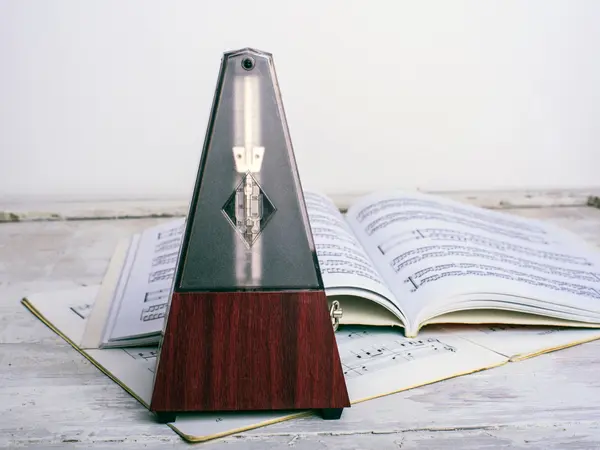
metronome
[me-truh-nohm]
a mechanical or electrical instrument that makes repeated clicking sounds at an adjustable pace, used for marking rhythm, especially in practicing music

bemuse
[bih-myooz]
to cause to be mildly amused, especially in a detached way
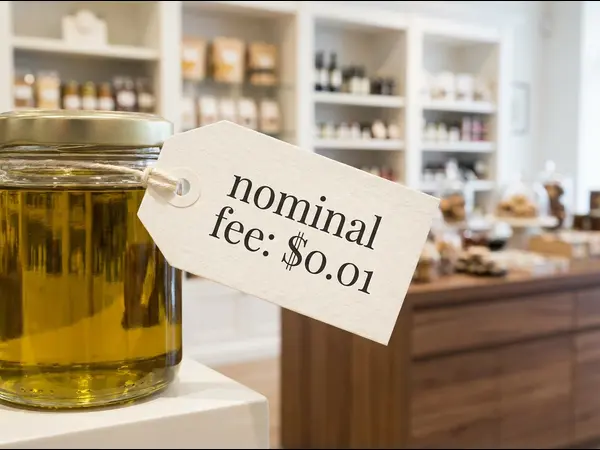
nominal
[no-min-nal]
trifling, insignificant
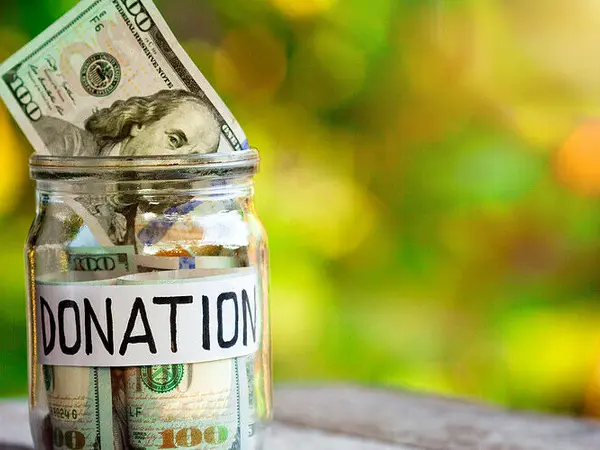
largesse
[lar- jes]
generosity of spirit or attitude

swathe
[swoth]
to wrap, bind, or swaddle with bands of some material; wrap up closely or fully

cravat
[kruh-vat]
a short, wide strip of fabric worn by men around the neck and tucked inside an open-necked shirt
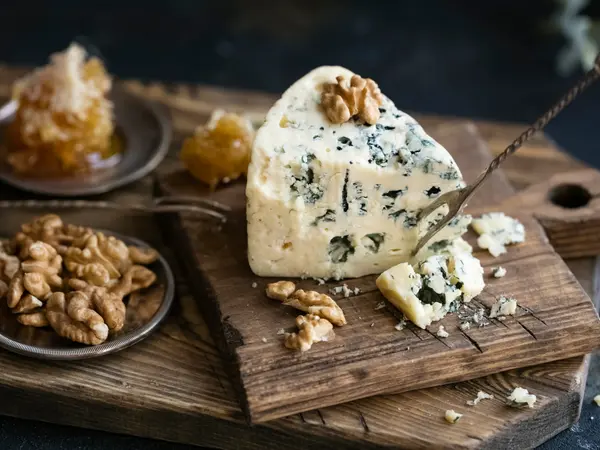
pungent
[puhn-juhnt]
sharply affecting the organs of taste or smell, as if by a penetrating power; biting; acrid

crumbling
[krum-bling]
breaking apart into small fragments

constituent
[co-nst-ent]
an essential part

abject
[ab-jekt]
(of a person or their behavior) completely without pride or dignity; self-abasing

rescind
[ri-sind]
to abrogate; annul; revoke; repeal

apparent
[app-ar-ent]
clearly visible or understood; seeming to be true, even if not confirmed.