
defraud
verbDefinition
What Makes This Word Tick
Defraud means to cheat or deceive someone in order to take something valuable from them. It belongs to situations involving deliberate dishonesty and financial or material loss. The word suggests calculated deception rather than simple error.
If Defraud Were a Person…
Defraud would be the schemer who hides false promises behind confident words. They appear trustworthy on the surface while quietly planning to take advantage of others. Their defining trait is calculated deception.
How This Word Has Changed Over Time
The meaning of defraud has remained strongly connected to deception for financial gain. Over time it has become a key term in legal discussions about fraud and economic crime.
Old Sayings and Proverbs
A proverb-style idea that fits defraud is that dishonest gains rarely remain hidden forever. That reflects the moral warning often associated with acts of deception.
Surprising Facts
Defraud appears frequently in legal language, especially in discussions of financial crimes. The word emphasizes intentional deception rather than accidental wrongdoing. That precision gives it a strong presence in law and policy.
Out and About With This Word
You will hear defraud in news reports, legal documents, and discussions about scams or financial misconduct. It fits contexts where someone is accused of dishonestly taking value from others.
Pop Culture Moments Where Defraud Was Used
In crime stories and dramas, plots involving fraud often revolve around characters who attempt to defraud institutions or individuals. These narratives highlight the tension between deception and justice.
The Word in Literature
In literature, defraud often appears in stories about betrayal, ambition, and financial schemes. Writers use it to frame acts of deliberate deception that drive conflict within a plot.
Moments in History with Defraud
The concept of defrauding others appears in historical accounts of financial scandals, corruption, and fraudulent enterprises. It fits moments when deception for profit reshaped public trust.
This Word Around the World
Across languages, similar verbs describe cheating someone out of money or property through deception. While wording differs, the core idea of fraudulent gain is widely understood.
Where Does It Come From?
Defraud comes from the Latin defraudare, meaning to cheat or deprive through deception. The root clearly reflects the word’s modern legal and ethical meaning.
How People Misuse This Word
People sometimes use defraud loosely for any unfair behavior, but the word works best when deception is used to take money, property, or other value from someone.
Words It’s Often Confused With
Cheat is broader and can apply to many situations. Scam often refers to a specific fraudulent scheme. Embezzle describes the misuse of money already entrusted to someone.
Additional Synonyms and Antonyms
Additional Synonyms: fleece, dupe, con Additional Antonyms: indemnify, settle, rectify
Want to Try It Out in a Sentence?
"He was arrested for attempting to defraud investors with a fake business scheme."
Explore more words

yelp
[yelp]
to give a quick, sharp, shill cry, as a dog or fox

bemuse
[bih-myooz]
to bewilder or confuse

gawk
[gawk]
to stare stupidly; gape

cocky
[kok-ee]
overly confident or arrogant

tomfoolery
[tom-foo-luh-ree]
a silly act, matter, or thing

palatable
[pal-uh-tuh-buhl]
acceptable or agreeable to the palate or taste; savory

nomadic
[no-mad-dic]
wandering from place to place

camaraderie
[kah-muh-rah-duh-ree]
mutual trust and friendship among people who spend a lot of time together

gustation
[guh-stey-shuhn]
the act of tasting

peacock
[pee-kok]
to make a vainglorious display; strut like a peacock
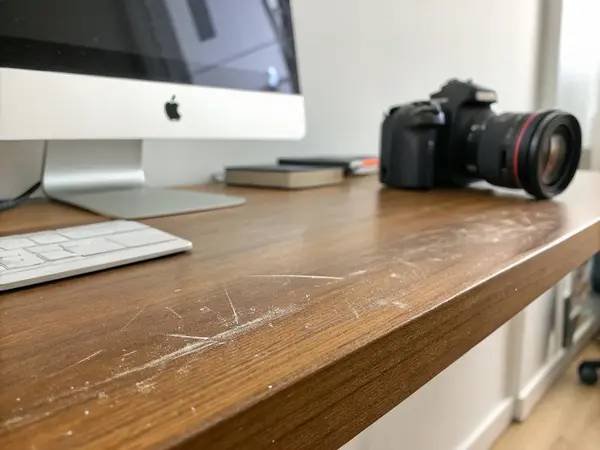
blemish
[bl-emi-ish]
an imperfection, flaw

quell
[kwel]
to suppress; put an end to; extinguish

borborygmus
[bawr-buh-rig-muhs]
a rumbling or gurgling noise made by the movement of fluid and gas in the intestines

bespeak
[bih-speek]
to suggest or be evidence of something

monocracy
[moh-nok-ruh-see]
government by only one person; autocracy

ablate
[a-bleyt]
to remove or dissipate by melting, vaporization, erosion, etc.