
nominal
adjectiveDefinition
What Makes This Word Tick
Nominal means trifling or insignificant—small enough that it barely registers in the bigger picture. It’s often used when the amount or impact is minimal, especially in practical situations like costs or differences. Compared with small, nominal can imply “so small it’s almost symbolic.”
If Nominal Were a Person…
Nominal would be the person who shows up with a tiny contribution and insists it counts, even if it’s barely there. They’re not nothing, but they’re close—more a gesture than a weighty presence. Being around them feels like noticing the smallest coin at the bottom of a pocket.
How This Word Has Changed Over Time
Nominal continues to be used to mark something as minor or insignificant, especially when precision matters. The word keeps a slightly formal feel, which helps it sound exact rather than emotional.
Old Sayings and Proverbs
A proverb-style idea that matches nominal is that a token amount can smooth the way even when it doesn’t truly matter. This reflects the idea that nominal is trifling or insignificant—present, but small in impact.
Surprising Facts
Nominal is often used where numbers or stakes might otherwise sound harsh, because it calmly labels an amount as minimal. It can also suggest a contrast between appearance and reality—something counted or listed, but not truly substantial. The word’s tone is matter-of-fact, which can make “insignificant” sound especially definitive.
Out and About With This Word
You’ll often see nominal in everyday transactions and explanations: nominal fees, nominal differences, nominal increases. It’s common when people want to assure you the cost or impact is tiny. The word fits best when the amount is not just small, but meaningfully minor.
Pop Culture Moments Where Nominal Was Used
In pop culture, nominal amounts often appear in scenes where a “small fee” or “tiny price” hides a bigger story—sometimes as a joke, sometimes as a clue about priorities. That reflects the definition because the amount is presented as insignificant, almost throwaway. The word’s idea helps highlight how little something costs—or how little it matters compared to the real stakes.
The Word in Literature
In literary writing, nominal is often used to give a scene practical realism by anchoring it in small, ordinary amounts and minor impacts. It can also add irony by emphasizing how “insignificant” something seems right before it matters in a different way. For readers, the word signals scale: this detail is tiny in cost or effect.
Moments in History with Nominal
Throughout history, the concept of nominal shows up in agreements and everyday life where small amounts are used for access, permission, or symbolic exchange. This fits the definition because the point is trifling impact—just enough to count, not enough to weigh things down. Labeling something nominal often helps people frame a cost or difference as essentially negligible.
This Word Around the World
Many languages have direct ways to express “insignificant” or “a token amount,” often with separate terms for “small” versus “so small it’s negligible.” The shared idea matches nominal as a label for minimal impact.
Where Does It Come From?
Nominal is tied to Latin roots related to naming, and the inventory notes a link to “existing in name only.” Even with the provided definition of trifling and insignificant, the origin helps explain the idea of something that counts by label more than by weight.
How People Misuse This Word
Nominal is sometimes used when someone means small but still meaningful, which can blur the point. In this sense, nominal means truly insignificant—so minor it barely matters.
Words It’s Often Confused With
Nominal is often confused with minimal, but nominal emphasizes insignificance more strongly, sometimes implying a token amount. It can also be mixed up with normal because the words look similar, but their meanings are unrelated.
Additional Synonyms and Antonyms
Additional Synonyms: negligible, minor, paltry Additional Antonyms: substantial, significant, considerable
Want to Try It Out in a Sentence?
"Because he was moving the following week and needed to get rid of his furniture more than he needed money, Jordan sold everything for a nominal fee."
Explore more words

conterminous
[kuhn-tur-muh-nuhs]
having a common boundary

adulate
[aj-uh-leyt]
to show excessive admiration or devotion to; flatter or admire servilely

crumbling
[krum-bling]
breaking apart into small fragments

admixture
[ad-mix-cher]
a mixture or combination of different things

unload
[unl-oad]
to remove goods, cargo, or burdens from a vehicle, container, or person.

aqueous
[ey-kwee-uhs]
of, like, or containing water

docile
[dos-uhl]
ready to accept control or instruction; submissive

stood
[stood]
rose to an upright position.

matutinal
[muh-toot-n-l]
pertaining to or occurring in the morning; early in the day

admonish
[ad-mon-ish]
to reprove or scold, especially in a mild and good-willed manner
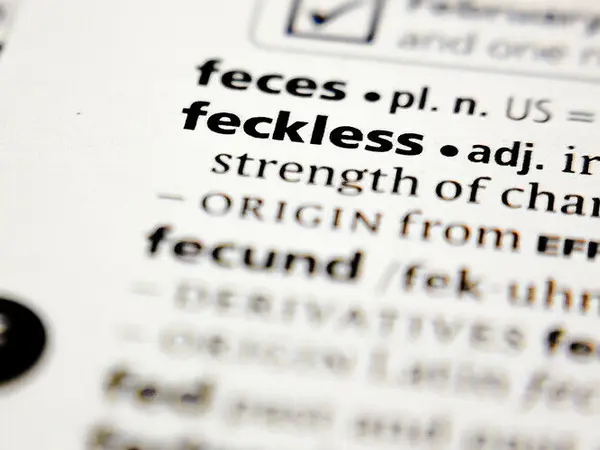
feckless
[fek-lis]
lacking initiative or strength of character; irresponsible

pretermit
[pree-ter-mit]
to let pass without notice; disregard
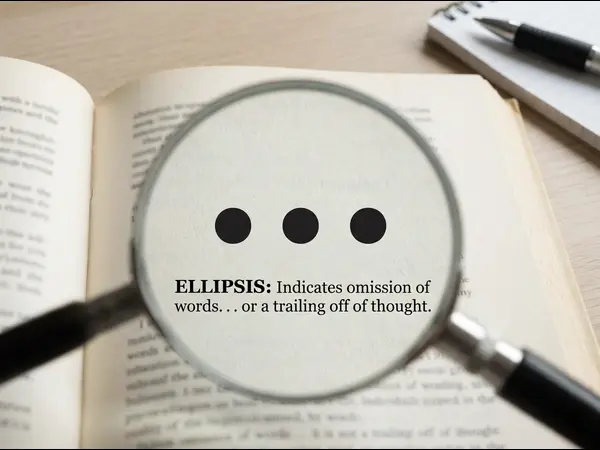
ellipsis
[ih-lip-sis]
omission of one or more words that are obviously understood but must be supplied to make a construction grammatically complete.

salient
[sey-lee-uhnt]
prominent or conspicuous

diegetic
[dahy-uh-jet-ik]
(of sound in a movie, television program, etc.) occurring within the context of the story and able to be heard by the characters

palatable
[pal-uh-tuh-buhl]
acceptable or agreeable to the palate or taste; savory