
energy
nounDefinition
What Makes This Word Tick
Energy is the “go” behind action: the capacity to be active or to get work done. It can describe physical stamina, mental drive, or the overall liveliness of a person or place. Unlike enthusiasm, which is more about excitement, energy points to usable strength and momentum.
If Energy Were a Person…
If this word were a person, they’d be the one who arrives ready to move, build, and keep things in motion. They don’t just feel excited; they have fuel to spare. Their presence makes stillness feel temporary.
How This Word Has Changed Over Time
Energy has long been tied to the idea of active power—something that enables movement, effort, and output. Over time, it has expanded into everyday talk about mood, vibe, and motivation. The core idea remains capacity: what you can actually do.
Old Sayings and Proverbs
A proverb-style idea that fits energy is that you can’t pour from an empty cup. It captures the practical truth that activity requires a supply of strength.
Surprising Facts
Energy is one of those words that works in both everyday life and technical contexts, but the everyday sense still centers on “usable capacity.” It’s often paired with verbs like have, conserve, or spend, as if it were a resource. The word can refer to a person’s drive as much as their stamina.
Out and About With This Word
You’ll hear energy in fitness, work, parenting, and any conversation about keeping up with demands. It’s common when people explain why something feels doable—or not. The word fits best when the focus is on sustained ability, not just a momentary mood.
Pop Culture Moments
In stories, “energy” often shows up as the difference between a scene that drags and a scene that crackles with motion and urgency. A character with high energy can change group pace instantly. The idea highlights momentum that others can feel.
The Word in Literature
Writers use energy to compress a lot into one word: pace, intensity, drive, and liveliness. It can describe a character’s forcefulness or a setting’s mood. The term often signals motion even when nothing is physically moving yet.
Moments in History
The concept of energy sits behind eras defined by hard work, rapid change, or collective drive. When people talk about societies “surging” or “mobilizing,” they’re describing energy in action. It frames effort as a shared capacity.
This Word Around the World
Many languages express energy with terms tied to strength, vitality, or active power. Even when phrased differently, the shared meaning points to a supply that enables action. The concept commonly bridges body and mind.
Where Does It Come From?
Energy traces back to Greek roots tied to activity and operation. The origin fits the modern sense: energy is what makes action possible. Over time, it kept that link to doing and producing.
How People Misuse This Word
People sometimes use energy when they mean mood alone, but the word implies capacity to act, not just a feeling. You can be energetic without being cheerful, and cheerful without having energy. Keeping the “fuel” idea helps the meaning stay clear.
Words It’s Often Confused With
Enthusiasm suggests excitement and eagerness, but not necessarily stamina. Vitality overlaps, though it often implies health and life-force more than day-to-day drive. Power can be broader, including authority, while energy stays closer to usable capacity.
Additional Synonyms and Antonyms
Additional Synonyms: pep, stamina, dynamism, verve Additional Antonyms: exhaustion, listlessness, inertia
Want to Try It Out in a Sentence?
"The toddler had so much energy that it was hard to keep up."
Explore more words

lucubrate
[loo-kyoo-breyt]
to write learnedly

consolidate
[kuhn-sol-i-deyt]
to bring together (separate parts) into a single or unified whole; unite; combine

collateral
[co-lla-ral]
secondary
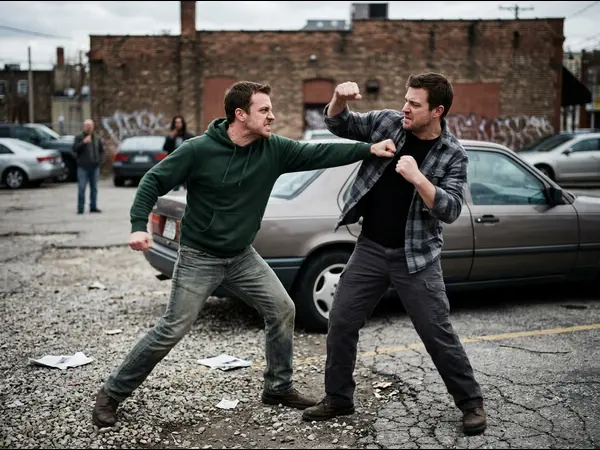
brawl
[br-awl-awl]
a rough or noisy fight or quarrel.
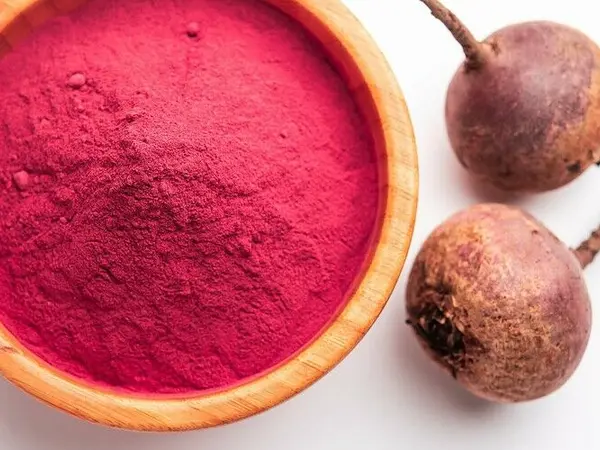
triturate
[trich-uh-reyt]
to reduce to fine particles or powder by rubbing, grinding, bruising, or the like; pulverize

flimflam
[flim-flam]
a piece of nonsense; twaddle; bosh

abide
[ab-ide-ide]
to put up with
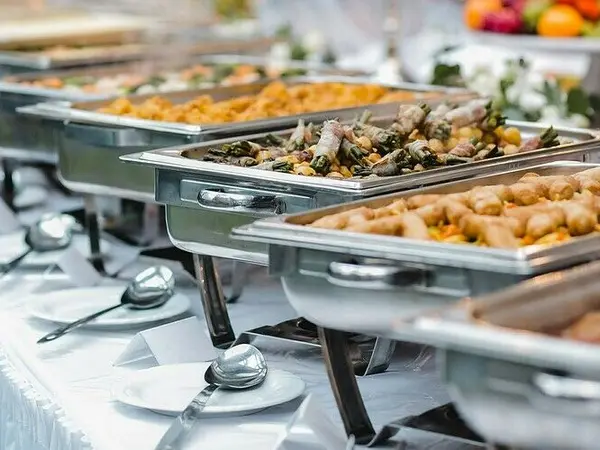
smorgasbord
[smawr-guhs-bawrd]
a buffet meal of various hot and cold hors d'oeuvres, salads, casserole dishes, meats, cheeses, etc.
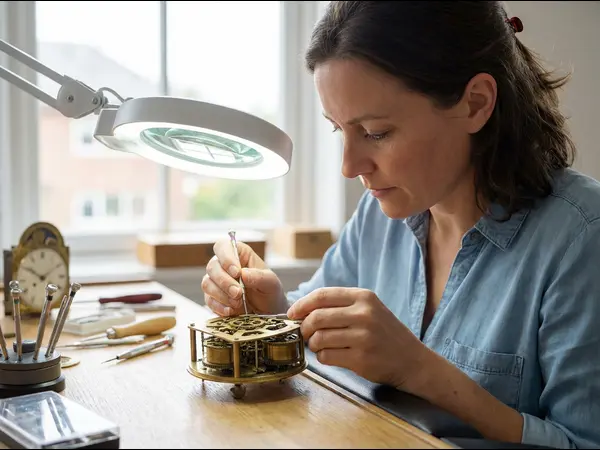
evince
[ev-inc-nce]
to show, reveal
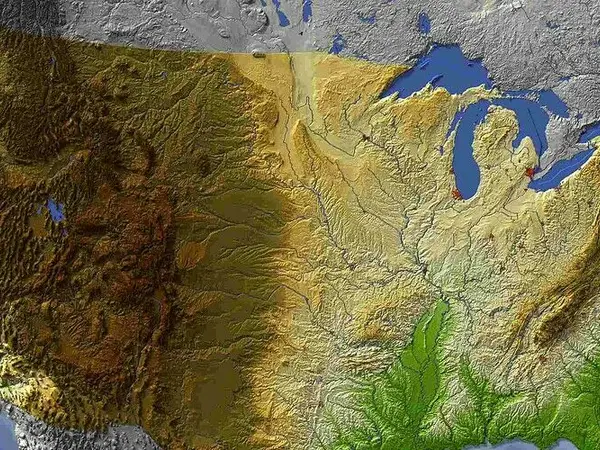
conterminous
[kuhn-tur-muh-nuhs]
having a common boundary
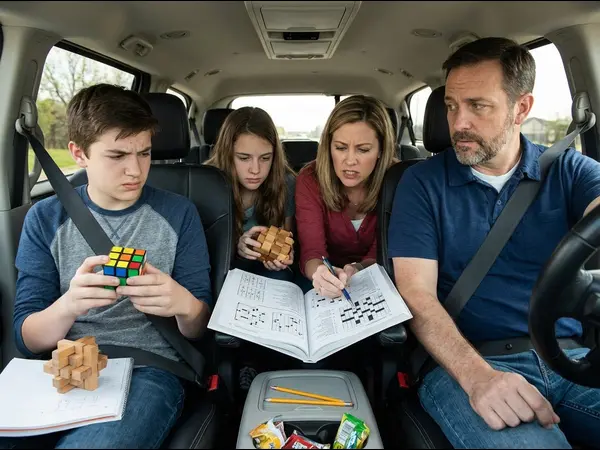
brain-teaser
[brayn-tee-zer]
a challenging puzzle or problem requiring thought to solve
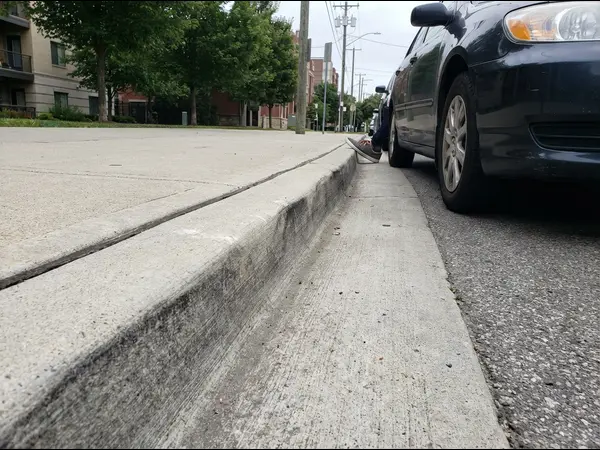
curb
[k-urb]
to restrain or control something; also refers to the raised edge of a street.

echo
[ech-o]
a sound or event that repeats or imitates another, often heard after a delay.

impecunious
[im-pi-kyoo-nee-uhs]
having little or no money; penniless; poor
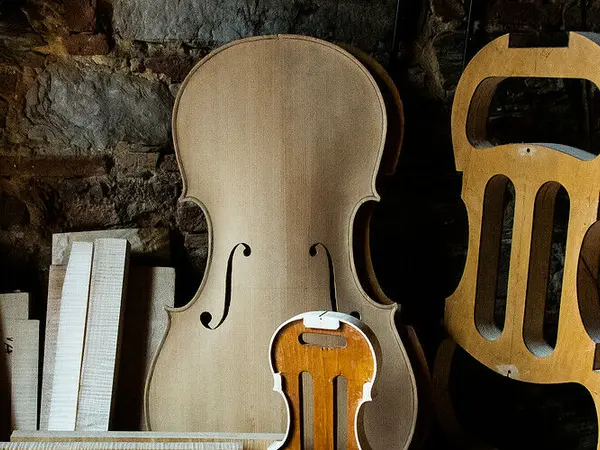
crwth
[krooth]
ancient Celtic instrument that is similar to a violin

doting
[doh-ting]
excessively fond