incendiary
adjective, adjectiveDefinition
What Makes This Word Tick
"Incendiary" really lights up a conversation, doesn't it? It conjures images of things that quite literally set the world on fire or, metaphorically, those that spark heated debates. Its essence lies in the ability to ignite, whether it's emotions, ideas, or even a physical blaze.
If Incendiary Were a Person…
Imagine a daring revolutionary, striding into the room with a mischievous grin, ready to challenge the status quo. This person thrives on shaking things up and doesn't mind causing a bit of a ruckus if it means reaching a larger truth or impressive change.
How This Word Has Changed Over Time
Originally, "incendiary" was all about the flame-anything that could start a fire was deemed incendiary. Over time, however, it became more nuanced, representing not only the literal sense but also anything likely to inflame passions or provoke controversy.
Old Sayings and Proverbs That Use Incendiary
While there aren't many old proverbs specifically using "incendiary," you might compare it to the spirit of "adding fuel to the fire," which captures the essence of something or someone adding intensity to an already charged situation.
Surprising Facts About Incendiary
Did you know that incendiary devices have been used since ancient times? The Greeks had "Greek fire," a mysterious and fearsome incendiary weapon notable for its ability to continue burning even on water. Now, the word can describe words and actions, a true transformation over centuries.
Out and About With This Word
You might stumble across “incendiary” in a passionate political debate, or see it used to describe a particularly provocative art exhibit or novel. It's a word that commands attention and brings a spark of excitement wherever it goes.
Pop Culture Moments Where Incendiary Was Used
In films and music, "incendiary" is a favorite for describing acts that ignite the plot or cause a character's downfall. Think of any explosive action movie or a scandal that dominated tabloid headlines; the word fits perfectly.
The Word in Literature
"Incendiary" often burns brightly in fiction, where it might describe a character's temperament or a plot twist that changes everything. Authors use it to add drama and urgency, especially in thrillers or historical novels.
Moments in History with Incendiary
Throughout history, incendiary rhetoric has led to revolutions, from fiery speeches that spurred troops during war to pamphlets that sparked political upheaval. The spirit of "incendiary" can be seen in unforgettable speeches that stirred nations to action.
This Word Around the World
While "incendiary" is used in English, other languages have their fiery equivalents. In Spanish, "incendiario" holds similar meanings. Different cultures might express the same idea with elaborate expressions when describing something provocative or explosively controversial.
Where Does It Come From?
This word originates from the Latin "incendere," meaning "to set fire to." Over time, it has morphed from describing literal fires to anything capable of igniting figurative flames.
How People Misuse This Word
People sometimes use "incendiary" when they simply mean "controversial" or "provocative." True to its roots, "incendiary" should imply an intention to inflame or disrupt, not just cause a stir.
Words It's Often Confused With
- Inflammatory: Both words suggest causing anger or excitement, but "inflammatory" is more often used medically.
- Combustible: This refers to something that can catch fire easily but lacks the deliberate intention suggested by "incendiary."
- Explosive: While similar, "explosive" relates more to a sudden and violent release of energy rather than a gradual build-up and ignition.
Additional Synonyms and Antonyms
- Synonyms: Fiery, provocative, inflammatory
- Antonyms: Calming, soothing, tranquil
Want to Try It Out in a Sentence?
"The politician's incendiary comments quickly divided the audience, igniting a fierce debate that raged on long after the speech ended."
Explore more words

hamartia
[hah-mahr-tee-uh]
a fatal flaw leading to the downfall of a tragic hero or heroine

obfuscate
[ob-fuh-skeyt, ob-fuhs-keyt]
to confuse, bewilder, or stupefy; to make obscure or unclear

kapellmeister
[kah-pel-mahy-ster]
the leader or conductor of an orchestra or choir

bauble
[baw-buhl]
a showy, usually cheap, ornament; trinket; gewgaw

plethora
[pleth-er-uh]
overabundance; excess

quisling
[kwiz-ling]
a person who betrays his or her own country by aiding an invading enemy, often serving later in a puppet government; a traitor

becloud
[b-ekl-oud]
to obscure or make less clear; to cover or overshadow.
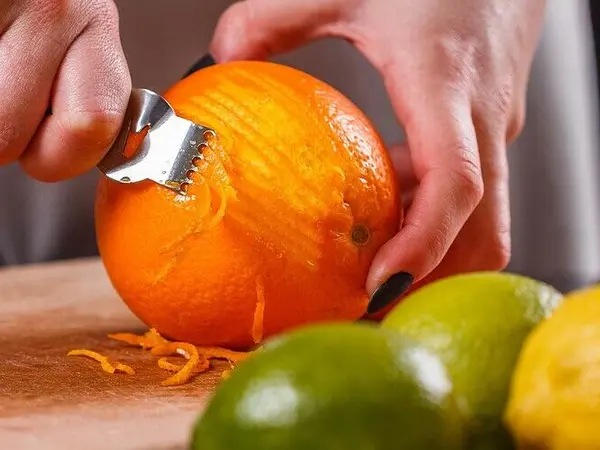
zest
[zest]
the outer, colorful part of the peel of citrus fruit, like lemon or orange, used as a flavoring agent

pellucid
[puh-loo-sid]
allowing the maximum passage of light, as glass; translucent; clear
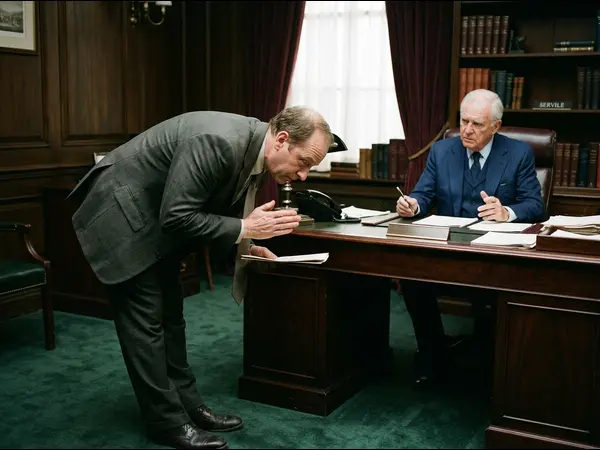
servile
[se-rvi-ile]
subservient

bandicoot
[ban-di-koot]
a mainly insectivorous marsupial native to Australia and New Guinea

abrasive
[uh-brey-siv]
tending to abrade; causing abrasion; abrading

viscous
[vis-kuhs]
of a glutinous nature or consistency; sticky; thick; adhesive

relish
[rel-ish]
to take pleasure in; like; enjoy

buttery
[buht-er-ee]
having the taste or texture of butter

brain-teaser
[brayn-tee-zer]
a challenging puzzle or problem requiring thought to solve